
What do you think?
Rate this book

In an effort to turn people into critical thinkers, Best presents three questions to ask about all statistics and the four basic sources of bad ones. He shows how good statistics go bad; why comparing statistics from different time periods, groups, etc. is akin to mixing apples and oranges; and why surveys do little to clarify people's feelings about complex social issues. Random samples, it turns out, are rarely random enough. He also explains what all the hoopla is over how the poverty line is measured and the census is counted. What is the "dark figure"? How many men were really at the Million Man March? How is it possible for the average income per person to rise at the same time the average hourly wage is falling? And how do you discern the truth behind stat wars? Learn it all here before you rush to judgment over the next little nugget of statistics-based truth you read. --Lesley Reed
Hardcover
First published November 1, 1998


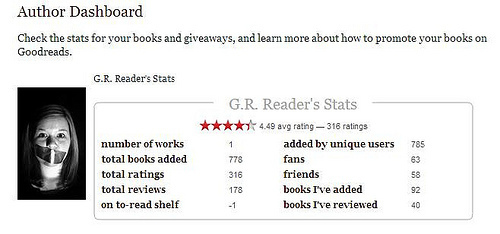

Given the number of people that said they had voted for this in the GR Choice Awards, and the number who have rated and reviewed it, I was surprised to see that the non-fiction book that came 20th had only 145 votes, and yet this wasn't listed:Like Cecily, I doubt that anything untoward happened here. But given that Goodreads have already made one careless error with the statistics for my book, wouldn't it be sensible for them to post the number of votes it got, so that everyone could tell the conspiracy theorists to go take a cold shower and calm down?
https://www.goodreads.com/choiceaward...
I guess some voted for it in the Debut Author category (20th place had more than 600 votes), but not non-fiction.


