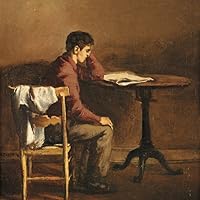
This lucid and perceptive study subjects the Emily Bront� myth to radical scrutiny, questioning the validity of memorabilia and eye-witness accounts. Contrasting her art with the daguerreotype realism coming into vogue in the 1840's, StevieDavies reads Emily Bront�'s life in terms of her own image of landmarks buried or half-buried beneath drifting snow which disguises or betrays underlying realities. A radical reading of Wuthering Heights explores it as a poet's and musician's novel, which can be 'scored' as in opera or the piano transcriptions of symphonies, which Emily Bront� possessed and played. Close study of her sheet music; her germinal Brussels essays; books and journals in her possession; and translations into European languages will demonstrate the phenomenal intellectual range, originality and acuity of an author who can be regarded as a European.
Welsh born Stevie Davies is a novelist, literary critic, biographer and historian. She is a Fellow of the Royal Society of Literature, a Fellow of the Academi Gymreig and is Director of Creative Writing at the University of Wales, Swansea.
This is part of a series dedicated to reviving the reputation of women writers and doing so from a Feminist perspective. (Other notable writers in the series include H.D. and Woolf). This work aligns with the author's book Emily Bronte: Heretic. It captures a sense of EB's radical nature, one free from patriarchal constraints. Chapter Four, "Father-God, Mother Earth" develops the author's earlier work on EB's empathy with the mothering creation. This is a finely written book that sets EB against her religious context and sets her above it like a soaring bird.