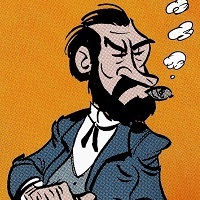
Nel primo dramma è l'invidia di Salieri per il genio mozartiano a determinare la morte per avvelenamento del musicista salisburghese in nome della stessa arte. In riferimento alla lussuria, "Il convitato di pietra", pur riferendosi alla tradizione di Tirso de Molina, accoglie personaggi ed elementi dal "Don Giovanni" di Mozart.
Works of Russian writer Aleksandr Sergeyevich Pushkin include the verse novel Eugene Onegin (1831), the play Boris Godunov (1831), and many narrative and lyrical poems and short stories.
People consider this author the greatest poet and the founder of modern literature. Pushkin pioneered the use of vernacular speech in his poems, creating a style of storytelling—mixing drama, romance, and satire—associated ever with greatly influential later literature.
Pushkin published his first poem at the age of 15 years in 1814, and the literary establishment widely recognized him before the time of his graduation from the imperial lyceum in Tsarskoe Selo. Social reform gradually committed Pushkin, who emerged as a spokesman for literary radicals and in the early 1820s clashed with the government, which sent him into exile in southern Russia. Under the strict surveillance of government censors and unable to travel or publish at will, he wrote his most famous drama but ably published it not until years later. People published his verse serially from 1825 to 1832.
Pushkin and his wife Natalya Goncharova, whom he married in 1831, later became regulars of court society. In 1837, while falling into ever greater debt amidst rumors that his wife started conducting a scandalous affair, Pushkin challenged her alleged lover, Georges d'Anthès, to a duel. Pushkin was mortally wounded and died two days later.
Because of his liberal political views and influence on generations of Russian rebels, Pushkin was portrayed by Bolsheviks as an opponent to bourgeois literature and culture and a predecessor of Soviet literature and poetry. Tsarskoe Selo was renamed after him.
Non avevo la più pallida idea di cosa aspettarmi in quest’occasione, non ho alcuna dimestichezza in questo campo, ok so chi è Mozart ed ho sentito parlare di Salieri, ma per il resto… è stata una piacevole sorpresa. Pur essendo ormai riconosciuta come immeritata la cattiva fama di Salieri, per quanto breve questo episodio l’ho trovato particolarmente intenso, il motivo non saprei dirvelo nemmeno io, è una di quelle cose che non riesco a spiegarmi. Ma non vedo perché lambiccarmi il cervello cercando una ragione, quindi mi sono limitato a godermi pienamente l’attimo di questo avvelenamento :) Altro paio di maniche è il convitato di pietra, con il Don Giovanni (di nome e di fatto) cascamorto sbruffone e impenitente, in un certo qual modo mi ha ricordato alcune delle partner occasionali di Rat-Man, fate un po’ voi :D Dà inoltre un’immagine assai poco lusinghiera delle sue innumerevoli conquiste che lo spingono continuamente a cercar guai… e chi cerca trova ;) Però devo dire di essere rimasto più colpito di quanto immaginassi.