This work has been selected by scholars as being culturally important, and is part of the knowledge base of civilization as we know it. This work was reproduced from the original artifact, and remains as true to the original work as possible. Therefore, you will see the original copyright references, library stamps (as most of these works have been housed in our most important libraries around the world), and other notations in the work. This work is in the public domain in the United States of America, and possibly other nations. Within the United States, you may freely copy and distribute this work, as no entity (individual or corporate) has a copyright on the body of the work. As a reproduction of a historical artifact, this work may contain missing or blurred pages, poor pictures, errant marks, etc. Scholars believe, and we concur, that this work is important enough to be preserved, reproduced, and made generally available to the public. We appreciate your support of the preservation process, and thank you for being an important part of keeping this knowledge alive and relevant.
Frank Wedekind was a German dramatist whose bold, unconventional plays reshaped modern theatre by challenging social norms and exposing the hypocrisies of bourgeois morality, especially around sexuality. Raised between Germany and Switzerland and drawn early to travel, performance, and satire, he lived an eclectic life that included work in advertising, time with a circus, and a celebrated stint as a cabaret performer with the influential troupe Die elf Scharfrichter. His fearlessness as both writer and performer made him a central figure in the artistic circles of Munich, where his sharp wit and provocative themes influenced a new generation of socially critical satirists. His early play Spring Awakening caused an uproar for its frank depictions of adolescent sexuality, repression, and violence, while his two-part “Lulu” cycle introduced a character whose rise and fall exposed society’s fascination with desire and destruction. These works challenged censorship, pushed theatrical boundaries, and later inspired films, operas, and adaptations across decades. Wedekind’s personal life was intense and often turbulent, marked by complicated relationships, creative restlessness, and brushes with authority, including a prison sentence for lèse-majesté after publishing satirical poems. His marriage to the actress Tilly Newes brought both devotion and strain, reflected in the emotional swings of his later years. Even near the end of his life, recovering from surgery, he returned to the stage too soon, driven by the same energy that fueled his art. His influence extended well beyond his death, resonating through the Weimar era and shaping the development of expressionism and later epic theatre. Many of his works were translated, staged, or adapted by major artists, ensuring that his confrontational spirit and fearless exploration of human desire would remain part of the theatrical canon.
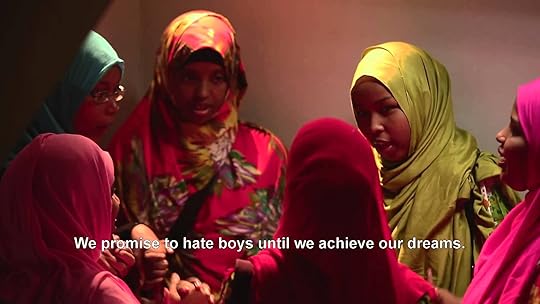
"Die Mitglieder der Vereinigung Eppur si muove haben sich zur Aufgabe gestellt: 1. Daß das junge Mädchen in Zukunft einen Unterricht erhält, nach dessen Absolvierung es nicht mehr zu den Halbgebildeten gehört. (...) Die Mitglieder haben sich das Wort gegeben, sich nicht eher zu verheiraten, als bis sie ihre Aufgabe erfüllt."