In Tethesta, the laws of the universe no longer operate. Human emotions can turn shiny like glass and as hard and resistant as rock. Fear and pain can create an impenetrable wall, standing in the middle of a forest, advancing out of it across the plain and threatening to overwhelm the world. The souls of men are controlled by a single consciousness, a single selfishness who seeks to become a God, and despises the other human beings of whom his world is formed. For Lithran, a frightened Isolate , trapped in the prison of King Kosmion s will and forced to imagine everything that he most hates and dreads, there seems for a long time no escape; for what escape can there be from a power which can enter the very minds of men to direct them from within. Yet the more absolute the power, the more glaring its weakness. Kosmion, Lord of the World, may at last be defeated - or rather half defeated. The Soul Master is an exciting and intriguing tale. Its pages ring with the sounds of swords, battles, music and difficult loving. Through them simple unmagical men and women seek to overcome black sorcery, the sorcery of Power.
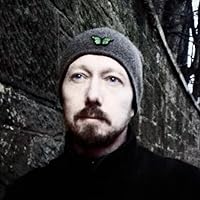
Graham Dunstan Martin (Leeds, Reino Unido, 21 de octubre de 1932). Es un escritor, filólogo y profesor universitario británico. Se licenció en la Universidad de Oxford en Filología Francesa, y tras varios años dando clases en colegios, comenzó a enseñar poesía, literatura y filosofía en la Universidad de Edimburgo, donde permaneció desde 1965 y hasta su jubilación en el año 2000.
Su obra es conocida por públicos muy diversos, puesto que ha escrito novelas de fantasía tanto para niños como para adultos, además de haber realizado trabajos de crítica literaria, algunos ensayos filosóficos y traducciones profesionales de poesía francesa.
I was given this when I was a kid, and read it a few times over the years. Recently I read it again after a twenty year gap. And this time, my experience was different.
Firstly, my impressions as a teen were positive. I loved the way the book wasn't a standard "party runs around fighting goblins". It was both nastier and more philosophical. A villain who is both underwhelming and pitiful and sadistic. A protagonist who is both a dick and a relatable person. Strands of music, perception, selfhood and human nature run through the book. I was fascinated by the ideas of interspaces.
But today, although I could still enjoy those things, I was a bit more critical. Sure, there is some nice language in there, but also sometimes clunky author intrusions. I was also more questioning of the rules of how the interspaces worked. The following is a spoiler.
Would I recommend the book to people who like philosophical fantasy? Yes. It still entertains and gives us some things to think about. Just be aware that there are imperfections, and don't get too hung up on them.