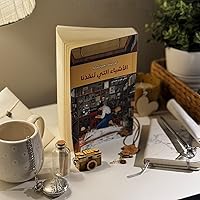
كتاب عبارة عن سيرة ذاتية مترجمة .. لشخصية حقيقية تُدعى "بورغيلد دال" .. وكيف إنها تخطت كل العقبات رغم ضعف بصرها الشديد .. واستطاعت اكمال مشوارها التعليمي حتى الماجستير ثم انخرطت في السلك التعليمي وأصبحت تُدرس في عدة جامعات.. من أجمل قِيٍم الكتاب هو إستشعار النعم .. ومعرفة قيمة البصر ذلك الكنز الذي نملكه من أجمل نعم رب العالمين ..
Borghild Margrethe Dahl was born in Minneapolis, Minnesota, to Norwegian immigrants Peder Mogens Dahl and Ingeborg Knudsdatter Haugseth from the Rendal area of Hedmark in the 1880s.
Despite severely impaired vision since birth, she attended college and received her Bachelor’s Degree from the University of Minnesota. Dahl earned an M.A. at Columbia University and was awarded a scholarship to study in Norway. In 1924 she became the first woman of a foreign country to be selected Norsk Akademiker at the University of Oslo. During the 1930s she taught Journalism and Norwegian at Augustana College and lectured widely before finally facing what seemed like a hopeless setback when she lost what little vision she had.
Then an operation in 1943 improved her eyesight dramatically and she set forth on a new career as a writer. Her 1944 autobiography “I Wanted to See” told the inspirational story of her struggles and successes. Dahl wrote another 15 books, many for children, based on her Norwegian heritage. In 1950, Dahl received the St. Olaf medal from the king of Norway for her work in promoting Norwegian-American relations. She received the Augustana College Sesquicentennial Award in 1975.
الكتاب رائع جداً بكيت كثيراً فيه كم من النعم التي لا نُلقي لها بالاً ومن الأعمال التي هي أشبه بروتين يومي تكون لغيرنا عملاً جبّاراً ماذا يكلفك النهوض من السرير؟ ارتداءك ملابسك أمام المرآة ؟ المشي إلى المطبخ لتناول فنجان القهوة؟. دعك من كل هذا.. ماذا يكلّف قراءة هذه الكلمات الآن؟ هل تضطر لوضع الشاشة على طرف عينك لتقرأ كلمة كلمة؟ أم تقرأها بأريحية ويسر؟ تخيّل أنّ شخصاً كان يضطر أن يلصق عينه بالكتاب بطريقة غريبة ليقرأ كلمة كلمة.. ياربّ.. دائماً ما أخشى من ذهاب البصر فقط كي لا أُحرم من قراءة الكتب التي أرجو قراءتها قبل موتي هذه السيرة مُلهمة جداً وممتعة ولطيفة وفيها لمحات لكل ذي لبّ قد تبدو من الخارج سيرة عادية لامرأة مصابة بضعف شديد في البصر لكن في الأعماق هناك كفاح وصبر وإرادة صُلبة وانضباط وسعي دؤوب لا يملّ هل يعني أنّ الأمور دوماً كان سهلة؟ بالتأكيد لا بل على العكس تماماً.. حياة بورغيلد كانت كشاشة الأسهم يوما هبوطاً ويوما ًصعوداً مرضها.. ثم وفاة أبيها ثم وفاة أمها ثم تعيينها ثم سفرها ثم اقترابها من حافة العمى الكّلي ثم تحسن البصر.. رحلات بين الإنجاز والجدّ والبكاء .. ما يميّز هذه السيرة أنّها بشرية وصادقة لدرجة كبيرة ليس فيها قفزات هائلة ولا نفلات نوعية، تمشي ببطء في خطّ ضبابي إلى أن تصل للنهاية. فوجئت بأنّ لها 17 كتاباً ولم أعرف غير هذا فمن يعرف لها كتباً غير هذه السيرة فليتكرم علينا بها وأشكر الدكتور ساجد على ترجمته البديعة والسلسة.
من أجمل كتب 2018 التي قرأتها .. أخذتني إلى عالم آخر واستشعار أجمل نعم الله علينا وهي نعمة البصر .. أحببت حكايا النرويج والروايات الاسكندنافية وطريقة اللبس ووصف الأماكن .. وأحببت من جانب آخر قصة الاصرار وتخطي كل العقبات .. وتحقيق ما لم يحققه الكثيرون من الأشخاص العاديون ..
ومن ثم الأجمل هو النهاية السعيدة جداً ..:)
شكراً للكاتب ساجد العبدلي على الترجمة الموفقة والاختيار الرائع ..
This is a charming autobiography written in 1944 by Borghild Dahl, an author who was born in 1890. Borghild had no sight in one eye and was legally blind in the other, yet became a teacher at the college level and an author. She tells about her childhood, the lessons she learned from her parents (who expected her to do the chores like the rest of the children), and the kindness of others. Though she is faced with disappointment and huge challenges, she is strong in the faith that God has some work for her. I loved the "walk through history" in the sense of learning about the daily chores that were common around the turn of the century, the travel and the sense of community. Not everyone was encouraging to her. She recalls the cruel words of some school boys in primary school. She writes, "My experience with my primary teacher that first day of school and the taunts from the boys during the week which followed left scars on my memory which time was never really able to erase. Sometimes the feeling came over me that I had no right to live and that I was guilty of something--I didn't know just what--when people were kind to me and treated me as if I were one of them." For the most part, this is a very upbeat book about how someone can overcome challenges and find fulfillment in this life.
Very inspirational and a great book. It is a true story, and maybe this is what made it so heart touching. It really worth the time you will spend to read it.
يالله ❤ سيرة مُلهمة ومُؤثرة أتحدثُ عن الوصف البديع أم الإصرار العجيب أم الروح الصادقة أم النفس الصبورة أم اللسان الشاكر؟ اللهم لك الحمدُ على نعمائك حتّى يبلغ الحمد مُنتهاه.
أنهيتُ هذا الكتاب خلال حزمةٍ من المشاعر المختلفة والمتناقضة التي انتابتني أثناء قراءته.
في البداية استحضرتُ صاحب الأيام، والحقيقة أن صحبة عميد الأدب تلك لم تزل معي رغم السطر الأخير. ثم بدأتُ أردد في نفسي: إن كان ثمة بطل حقيقيٍ لهذه السيرة الذاتية فهو الأم، وإن اتسع المجال لمركزٍ ثانٍ فهو القارئ الذي اتكأ على صبره ليمضي مع الكثير والكثير والكثير من التفاصيل، المكررة أحيانًا، وغير المشوقة غالبًا، والنابعة من عمق ثقافةٍ مختلفةٍ دائمًا.
لكن رأيي تغيّر بخصوص ترتيب أدوار البطولة إثر حدثٍ جوهريٍ غير الأدوار في هذه السيرة؛ إذ جاءت الكاتبة لتحتل المركز الثاني بعد والدتها، ليتذيل القارئ القائمة.
أما صاحب الأيام، فسلامٌ على قلبه أينما كان، ذاك الذي عاشر الظلام المُطبق وعاصره حتى عصره، وتغلّب عليه بجهوده الذاتية البحتة التي لم يتكئ فيها على وعي أمٍ بطلة أو تفهم إخوة ذوي إنسانية عالية. لقد فعل ذلك في بيئةٍ ريفيةٍ تُعاني من الجهل وقلة الوازع الإنساني. ذاك الطفل الذي كان إخوته يضحكون من طريقته في تناول الطعام حتى اعتصم بالوحدة، يأكل أعزلًا إلا من نفسه التي لا تُشبه جُل النفوس.
ذكرت كاتبة هذه السيرة أنها تمتعت فطريًا بنفسٍ سعيدة تميل إلى الفرح منذ الطفولة، وذلك أمرٌ أفهمه، عدا عن أنني أؤمن به. فبماذا تحلّت نفس صاحب الأيام بفطرتها؟.
أما عن كونها كانت تجتهد حدَ الإجهاد لتُجاري الأطفال في لعبةٍ لا تراها، فصدقًا أجدني في حيرةٍ تجاه رأيي حيال ذلك: هل أُعجب بتلك القدرة الفائقة على التكيّف؟. أم أزدري ذلك الانصياع لشروط المجتمع المعلنة وغير المعلنة؟.
إذ إن للسعادة والفرح أشكالًا مختلفة، وهي ليست حصرًا على مشاركة الأطفال لعبةً لا أراها؛ بل أزحف عليها وحيدةً لأحفظها، ثم أدعي أنني أراها. صدقًا، أعتذر كوني أنظر إلى سيرةٍ بشريةٍ ناجحةٍ من هذه الزاوية، ولكنني لم أ��جح مطلقًا في صرف نفسي عن هذا الجانب.
ملاحظة: أمنح هذا الكتاب أربع نجوم كاعتذارٍ مني عما كتبته عنه.
استفتحتُ عام 2020 بهذا الكتاب القيّم والسيرة العظيمة لامرأة مكافحة ومحاربة. كل التفاصيل الذي ألمّت بها دال مذ كانت طفلة في الخامسة جديرة بالاحترام والإعجاب الكبيرين.
إني لا أجد كلمات تُسهبُ في وصف شعوري حينما بدأت في قراءة هذه السيرة، وبعد أن ختمتها اليوم.
هذا النوع من السير يسلط الضوء على القوة الداخلية للإنسان، التي تتولد بالصراع والمعاناة، ليس كل من يعاني يحاول الوصول إلى شط آمن، ذلك عائدٌ إلى نظرتنا للابتلاء والكيفية التي نتموقع فيها أمام خيارات المعاناة، يصعب حقًا الوصول الى استنتاجٍ سطحيّ ونظريّ تعميميّ حول الطريقة التي يتفاعل فيها الناس مع مآسيهم الذاتية، لكنني أعتقدُ جازمة أن هذا النوع من الكتب بوسعه أن يبعث روحًا توّاقةً للمحاولة الجادة الدؤوبة لكل الناس بصرف النظر عن درجة معاناتهم في الحياة، على أن الاستعداد الشخصي واختيار الصعب وترك الراحة والجهد الحثيث وتربية النفس على ذلك هو محل لحريتنا الاختيارية وهو مناط مسؤوليتنا تجاه أنفسنا وغيرنا. إنها الدراما في نفس الإنسان كما يعبر بيجوفيتش والتي تجعله كائناً جديرًا بالكرامة الإلهية (ولقد كرمنا بني آدم).
تفاصيل هذه السيرة تأخذ محلها زمنيًا في نهاية القرن التاسع عشر والنصف الثاني من القرن العشرين تأخذ دال في حياتها المليئة والغنية أدوراً عدة، اتسمت في جميعها بالتفاؤل والمثابرة، ويتخذ والداها وأمها خصوصًا موقع المحرك الدافع المشجع لطفلة تقبل على الحياة بظروف مختلفة عن جميع المحيطين بها.
تحكي المؤلفة عن أمها التي دأبت تعويدها الاعتماد على ذاتها وتشجيعها والثقة بها رغم أنها تقريبًا لا تبصر، الأم العامل المشترك الأكبر للتربية والصبر والدعم والتشجيع والاحتواء، ورغم أن هذا الكلام يبدو مستهلكًا، إلا أننا وفيما يبدو مقبلون أكثر من أي وقتٍ مضى على تفشي نظرة مسائلة للأمومة ترى فيها دورًا متدنيًا للمرأة وحجر عثرة أمام تحقيق الطموحات والأحلام .. لاشك أن من يقرأ في صفحات هذا الكتاب،سيجدُ حنيناً لشيء في نفسه وتبجيلاً لأم لم يعرفها إلا من خلال حروف تبقي ذكرها لمئات السنين.
ليس الجميل في سيرة بورغيلد هو شخصيتها وتحديها وجهدها المثابر فقط ، كل ذلك يستدعي الاحترام دون شك، لكن إضافة إليه هو الجو الحميمي في حياة هذه المؤلفة، الأمر أشبه بقصص شمّا في المروج الخضراء أو السيدات الأربع حيث العائلة والعمل المشترك والأم التي تفعل كل شيء تعلم وتربي وترتب وتضع للحياة معنى ومسيرة واضحة لأبنائها. القصص القديمة التي ينام فيها الناس مع الغروب لأن الإضاءة لا تتوفر بالقدر اللازم. موقد النار المشتعل في الليالي الشتوية القديمة الذي يتجمع حوله أفراد العائلة كلهم في جو شاعريّ لا يُضاهىٰ..
الشيء الذي يزعجني بعد الانتهاء من قراءة كتب كهذه هو افتقادي للأجواء التي عشتها بينما كنت أقرأ، وبمجرد أن أغلق الكتاب وأنشغل بأمور أخرى حتى ينحسر تأثير ما قرأته عليّ، يبدو هذا التأثير مفضٍ إلى حماس ومتعة وترقب ولذة كل ذلك يترك أثرًا بسيطًا لكنه لا يبقى مستمرًا وحاضرًا .. لكن ثمة تأثير غير مدرك ولذا يبدو خليًا من أي انفعال ..
سيرة ذاتية لامرأة شبه عمياء تترك في كل من يتكاسل عن العمل في الحياة ، وتشجع من له أهداف في الحياة ، شكراً د. ساجد العبدلي أجدت الترجمة ودائماً ماكنت تقدم الأفضل .
الكتاب عبارة عن سيرة ذاتية لبورغليد دال الأمريكية ذات الأصول النرويجية، تسرد الكاتبة سيرة موجزة عن حياتها التي تدور حول أحداثها منذ الطفولة حتى لحظة قرار كتابة هذه السيرة، فيها تسرد بايجاز أهم ما أرادت أن تقوله في كيفية خوضها لحياتها وهي شبه عمياء، حيث أن أحد عينها كانت عمياء كلياً، أما الأخرى فكانت تعاني من تشوهات وبصرها يكاد يوصمها بصفة العمى. كالعادة -والحمدلله- نرى معجزات الله في خلقه وخاصة فيمن يعاني من اعاقة، وكيف يمنحهم كل تلك الارادة للعيش حتى أنهم ينجزون مالا ينجزه شخص معافى - فيشعرونك بكل خجل عندما تتذكر نواحك و شكواك في أحد أيامك الصعبة.
** ترجمة الكتاب جيدة على الرغم من وجود بعض الأخطاء المطبعية. أما ما يميز كتابة هذه السيرة الجميلة في رأي أنها لا تسردها بتفاصيل مسهبه، أرى أنها اختارت أن تضع أهم النقاط باختزال وبطريقة مباشرة، في المقابل لم تقلل من الدهشة التي يمكن أن تتمالكك عندما تفكر أنك لو كنت مكانها هل تُنجز ما أنجزته؟ هل يمكن أن تركض وأنت لا ترى معالم طريقك؟ أم أنك ستبتكر أساليب كأساليبها؟. وملاحظة قد تختلف من قارئ لآخر، فإني لم أرى أي وصف يستدرر الشفقة أو يثير مشاعر الأسى، على الأقل حتى الفصلين الأخيرين فلا بد أن تشعر بالأسى، كانت فعلا تصف الموضوع بتجرد و أن هناك مشكلة وهكذا وبتلك الطرق قامت بحلها أو التكيف معها.
** بعض الأفكار على هامش هذه القراءة ..
١_أن تعيش حياتك بمشكلة قد تلازمك للأبد - من يساعدك أنت أم من حولك؟ في سيرة الآنسة دال كانت صور الدعم واضحة وجميلة من أفراد عائلتها خصوصاً والدتها، صديقاتها، معلميها ... تقريباً كل من مروا بحياتها، وهذا النوع من الدعم لا بد له أن يثمر. لكن ماذا إن لم يكن المحيط داعم؟ صادف أن تزامن عند فترة قراءتي أن مررت بمقطع من دقيقتين لمصطفى حسني يوجه فيه رسالة: إذا لم تجد الدعم من حولك إلى ما تلجأ واختصرها في نقطتين هما - حسن الظن بالنفس حتى يتولد لديك دافع ذاتي - الاستجابة للرسائل الربانية: والتي أترجمها أنا بأن يكون الشخص واعي لما حوله.
٢_أن تحل ذاكرتك محل بصرك: في سيرة دال سترى أنها اعتمدت كثيراً على ذاكرتها حتى تنجز كثير من المهام. هذا ما ذكرني بحديثي مرة مع طبيب العيون، عندما أخبرته أنني عندما لا أرتدي نظارتي لا أستطيع أن اسمع، ضحك وقتها فعدّل من وصفي وقال أنك تعنين عدم استطاعتك على التركيز. لذلك فإني أشعر بعظمة دماغ الانسان والذي ظهر في شخص دال، ذاكرتها التي -فعليا-كانت من أنقذتها.
٣_أن تكتب رواية وأنت شبه أعمى: استوقفتني جداً نقطة خوض الآنسة دال في تأليف الروايات، لا أعلم ما هي ركائز التأليف لكن رأي المتواضع فهي تحتاج في أقل تقدير: الخيال + المعلومات العامة التي قد توظفها/تجاربك في الحياة + وذاكرتك البصرية التى بدورها تدعم التفاصيل والخيال. وبما أنها كانت شبه عمياء فيحدوني الفضول أن اقرأ بعضاً من أعمالها الأخرى، هل وفقت في وصف مثلا: كيف أن يكون منظر قطرات المطر على نافذة، شق في جدار، أو كيف كانت الأرض متعرجة، كيف كان تباين الألوان في السماء و الأشجار، تلك الحدود والخطوط التي تضع كل شي في إطار؟ هل وفقت بتفاصيل حيّة/صغيرة؟ على الرغم أنها وصفت عملية الرؤية لديها لم استطع أن أتخيل ماذا كانت عليه قدرتها، ماذا كانت تستطيع أن ترى؟
كتاب (أردتُ أن أبصر.. سيرة ذاتية). بورغيلد دال. ترجمة: د. ساجد العبدلي. الناشر: دار شفق للنشر والتوزيع-الكويت. الطبعة الأولى ٢٠١٨م. (بورغيلد دال) (١٨٩٠-١٩٨٤م) هي كاتبة أمريكية لأبوين نرويجين، ولدت بعين واحدة، وعانت منذ ولادتها بضعف شديدة لهذه العين، حيث كانت شبه ضريرة، ولا ترى إلا عندما تقرّب الأشياء كثيراً من عينها الواحدة التي تبصر منها شيئاً بسيطاً، لكنها رغم ذلك لم تستلم لهذا الأمر، بل كانت تصر أن تكون كأنها طفلة عادية، تلعب (الحجلة) مع الأطفال، وكونها لا تستطيع أن تبصر، فقد كانت تذهب إلى ساحة اللعب بعد عودة الأطفال إلى منازلهم، وتقرب عينها الواحدة من الأرضية، لتحفظ العلامات، وتكون خبيرة في اللعب بعد ذلك. وكانت تقرأ وتدرس في المنزل، رغم صعوبة ذلك الوضع، حيث لا ترى إلا عندما تُقرّب الكتاب من عينها وتقرأ كلمة كلمة. ومع ذلك حصلت على البكالوريس والماجستير ومارست التدريس لمدة ١٣ عاماً. لم يثنها صعبها الوضع جداً حيث أنها شبه عمياء من أن تمارس حياتها كأنها شخصاً عادياً، رغم صعوبة الظروف. أصدرت سيرتها هذه باللغة الإنجليزية عام ١٩٤٧م، حيث تذكر حياتها المؤثرة منذ الطفولة وصعوبة مواقفها وحتى توقفها عن التدريس بعد ١٣ عاماً. سيرة مؤثرة، تذكر كيف كانت أمها تُعلمها كل شيء وتريد منها أن تكون طفلة عادية، وتذكر كيف عانت من دخول المدرسة حيث لا ترى شيئاً، وكيف كان الطلبة يسخرون منها، ولا ترى السبورة وتخطأ في النقل من السبورة، تذكر كيف حطمها كثيرٌ من المدرسين والمدرسات والأصدقاء، لكنها لم تستلم، وفي الجانب الآخر، تذكر مواقف من دعموها وشجعوها. تذكر وفاة أبيها المؤثرة، ثم أمها بعد ذلك، واعتنائها بأخواتها. تذكر معاناتها في التدريس وصعوبة التنقل حيث لا تبصر شيئاً، ورغم هذا كله، لم يثنها أن تحقق طموحاتها وتنجح نجاحاً باهراً. سيرة مؤثرة جداً جداً، وأذكر أني قرأت ملخص قصتها منذ زمن بعيد جداً، ربما في أيام الابتدائية أو بداية الإعدادية في كتاب (دع القلق وأبدأ الحياة)، لدايل كارنيجي، هذا الكتاب الذي أعطاني له أخي الأكبر القاص د. عبدالعزيز، وقال لي ضروري أن تقرأ هذا الكتاب الجميل وسيغيرك فيك الكثير. وبالفعل قرأته وانبهرت، ومن القصص التي علقت في بالي قصة (بورغيلد دال)، لكني لم أعلم أن سيرتها ستترجم في يوم ما، ولم أعلم أن سيرتها مؤثرة لهذا الحد. هذه السيرة من السير التي أثرت فيني بعمق. الترجمة رائعة جداً جداً، شكراً للدكتور ساجد العبدلي على اختياره لهذه السيرة المؤثرة والمهمة، وشكراً على ترجمته الأكثر من رائعة. وتنتظر ترجماته الجديدة بشغف. لقد تعلمت من سيرة (بورغيلد دال)، ومن حياتها التي دامت ٩٤ عاماً، أن الإعاقة التي تصيبنا ولا دخل لنا فيها، لا يمكن أن تسلبنا طموحاتنا، وأن المعاناة جزء أساسي للنمو والنضج. وتعلمت أنه مهما واجهتنا العوائق، فإننا بإمكاننا أن نتغلب عليها، ومهما حطّمنا الآخرون، فإننا يمكن أن نُثبت لهم أننا أقوى من تقزيمهم لنا. لقد كانت (بورغيلد) دائماً تدعو الخالق أن يكون معها ويحفظها ولا يجعلها تتأثر بكلام الآخرين. سيرة تستحق القراءة وبشدة. وشكراً كذلك لمكتبة روازن لجلب الكتاب بسرعة فائقة. نعيم الفارسي 12.05.2018
♡الكتاب عبارة عن سيرة ذاتية "لبورغيلد دال" امرأة ولدت بعين لا تبصر والعين الاخرى مصابة بضعف شديد جدا فى البصر ولكن حين ننظر لتفاصيل حياتها التى سردتها بدقة جعلتنى انبهر بنظرتها الايجابية لكل شئ ، لقوة تحملها ومثابرتها ، لتقبلها لذاتها منذ طفولتها ، لحبها للاستمتاع بحياتها رغم رؤيتها الضعيفة للاشياء ؛ سنجد أنها امرأة رائعة تستحق التقدير والاحترام سنجدها مثلها مثل أى امرأة رزقها الله بصر كامل امرأة كانت تسعى منذ طفولتها لعيش حياة مفعمة بالنشاط والحيوية والمتعة لا مجرد حياة تعاش وفقط ، وحتى لو كانت ستعيش حياة لمجرد العيش فقط كان لها عذرها ..
♡العوائق كانت تعترض طريقها طول حياتها منذ الطفولة وحتى وهى على مشارف الخمسين من العمر حيث انها فقدت بصرها بالكامل ولكنها تحدتها بإستمرار وعاشت حياة رائعة و اصبحت من فتاة عادية لا تستطيع ان تقرأ حرف واحد من كتاب الا وعيناها ملاصقة للكتاب مباشرة لدرجة ان انفها يكون ملامس للكتاب ، الى معلمة ادب وتاريخ ولغات وكانت تؤدى عملها كمعلمة على اكمل وجه ومن ثم حصلت على الماجستير وحصلت على الكثير من المناصب العليا ، هنا أنسب الفضل لأمها التى دعمتها بشدة وعاملتها كأنها طفلة طبيعية وصبرت عليها وعلمتها القراءة وعلمتها الاعتماد على نفسها فى كافة امور حياتها حتى انها علمتها كل الاعمال المنزلية وجعلتها تساعدها فيها ((دعم الام مهم جدا لكى تتقبل طفلتها او طفلها ذاته وينشأ بحب وتفاهم وثقة فى النفس وتقبل للذات وتقبل لاى ظروف صحية ليس له ذنب فيها ، واذا اخطأ فى شئ او لم يستطيع القيام بشئ معين بشكل صحيح حينها اذا وجدها بجانبه تدعمه وتشجعه سينجح بالتأكيد وهذا اسلوب التربية الجيد من وجهة نظرى المتواضعة)) ..
* سيرة ذاتية رائعة تستحق النظر والتقدير والاحترام انصح بقراءتها كما يجب ان نقتدى بها ونتعلم منها ونحمد الله على كثير من النعم التى نعتقد انها شئ طبيعى وعادى فا نعمة عظيمة أن يستطيع الانسان أن يقوم من نومه ويرتب سريره ويجهز افطاره وينزل الى عمله بكل سهولة فما بالك بباقى النعم التى أنعم بها الله علينا فحمدا لك يا الله ..
A number of years ago this author was quoted by Thomas S. Monson in a closing address given at a conference. The book he referenced was titled "Happy All My Life". My search for that book has been fruitless, so I settled for this one -- an autobiography of a woman who lived a full life against great odds. With the encouragement of a well-known book critic of the day Borghild relates her journey from childhood through middle age.
The daughter of Norwegian emigrants to Minnesota, born in the late 1800's, Borghild suffered visual impairment which also disfigured her face. Her extra-ordinary parents gave her a foot up into living fully and productively. This was a good thing for many reasons but especially because by the time Borghild was in her early twenties she was an orphan and left to raise her younger siblings. There were many friends, teachers, and extended family to help along the way. There were also bullies and unsympathetic peers and adults as well.
Through Borghild's experience the reader can examine facing one's own fears, be they real or imagined. The reader can contemplate forging ahead, sticking tenaciously to goals, and finding a way where there seems to be none. The reader can embrace, with Borghild, heart break, discouragement, healing, and joy.
I found an added dimension of enjoyment reading this book, as it gave me a peek into the time of my grandmother (although she grew up in another part of the county). I found myself wishing that my own ancestors would have made notes of the minutiae of their daily lives -- how they stocked their kitchens and dealt with housekeeping, what they studied and read, what they wore, lessons they learned from parents, their struggles and triumphs, how they overcame failures, and so forth.
As an example I will share here what appears on every fiftieth page or so in Borghild's story...
p. 50 At the age of nine she is given piano lessons and tells how she contrives to learn to play, despite the difficulty she has reading the music.
p. 100 She tells about how she is able to teach with her limited vision. There are students who are bullies and those who would disrupt the class. She shares how she looked for something about them to compliment and as she learned more about them was able to redirect their negative energy and help them discover good in themselves and build upon that.
p. 150 She tells about becoming an advocate of children's literature and giving book reviews on a weekly radio program.
p. 200 Spoiler alert. She tells about re-training her eyes after a pivotal surgery.
I found myself thinking that all our so-called advances in education were already being practiced during the first half of the twentieth century and that we have actually lost much ground in what is expected from an education these days. I loved reading about how she helped her high school students bring Scott's "The Talisman" to life and how they were able to engage in lively conversation about their reading.
Three cheers for heroism, which this woman certainly embodies.
Very inspirational. I don’t have much time to “read”; usually I listen to audiobooks while driving, but this copyright 1944 is not available in audio.
Page 167 ... mother to daughter/author ... “those of us who are not able to see as well as other people must dare to do things. We must have the patience and be willing to work harder than those who can see better than we can. And we must believe we can do what we set out to do. Then, if we always keep these things in mind, we cannot fail.”
Words we should all live by.
I love Mel, Michigan eLibrary. Books from around the state are delivered to my local library. Opens up a word of reading to me.
كتاب: #أردت_أن_أبصر ،، للكاتبة: #بورغيلد_دال ،، ترجمة: #ساجد_العبدلي ، الصادرة عن شفق ل��نشر والتوزيع . من السير الذاتية المؤثرة والملهمة، لأمرأة مصابة بضعف شديد في البصر، كانت تحاول منذ صغرها التعايش مع بقية المجتمع للقيام بدورها العادي كبقية الأفراد؛ ونجحت رغم كثرة الصعوبات والمحاولات الفاشلة التي لا تعد ولا تحصى. . السيرة فيها من العبر الكثير جدًا، تتقدمها: النعم التي لا تعد ولا تحصى، سبحان الله، قل من يخطر في باله التفكر في التفاصيل الدقيقة التي أنعمها الله علينا، فنسيناها وغفينا عنها،فالحمد لله من قبل ومن بعد. . كذلك ظهر في الرواية أهمية ودور المجتمع والأسرة الفعال في نجاح الفرد من فشله، وايمان وثقة المؤسسة في أفرادها من عدمه، ودور الدول وتخلفها في كيفية المساهمة في نمو الشعب. . سيرة فيها من الطاقة الايجابية والتحفيز الكثير بالرغم من كثرة العواقب والمنغصات. . سيرة تستحق القراءة والتفكر والتأمل، السلبية فقط تمنيت لو كان حجم الخط أكبر بقليل. . - شكرًا لدار شفق، وللدكتور ساجد على هذا الاختيار والعمل الرائع. . . #اقتباسات: . - كان في ذهني دائمًا شعور كامن بالخوف من العمى التام. وبغية التغلب على هذا تبنّيت نظرةً مرحة، وبهجة تقريبًا إزاء الحياة. . - صحيح أن بصري ليس بقوة بصر بقية الأطفال، لكن أمي تسمح لي بتقديم يد العون في كل شأن من شؤون المنزل تمامًا كالآخرين، وهي قالت إننا عندما نؤدي عملنا بإتقان، لن يلحظ أحد أي مشكلة في عيوننا. - . . "السكينة موجودة لا محالة في كل منزل حسب الترتيب" . - ولقد كنت مقتنعة بأن الأدب الجيد يمكن أن يكون له تأثير مفضٍ إلى السمو في حياتهم. . - قدموا للأطفال الأفضل دائمًا، وسيقدّرون الأعمال الكلاسيكية إذا قدمتوها بأسلوب بسيط وواضح بما فيه الكفاية. . - وبدا لي أن يكون المرء منشغلًا ونافعًا أمرٌ يعدّ من النعم العظيمة التي يمكن لأي كان الاستمتاع بها. . - أعجبتني هذه القصة لأنها بيّنت لي أن الله يجد دائمًا مكانًا للأشخاص الذين يرغبون حقًا في العمل. . "لا أستطيع البقاء داخل المنزل. إنه ليس كبيرًا ما يكفي ليسعني اليوم" .
"هناك فرق شاسع بين إمتلاك القدرة على الرؤية رغم مُحدوديتها وبين محاولة العيش في الظلام "
"بورغيلد دال" النرويجية الأصل الأمريكية النشأة والموطن عاشت تحمل مشكلة في البصر أثرت عليها شكلاً ولكنها بالمضمون كانت مُتحدية بفضل أمها التي دربتها على التعايش مع هذه الإعاقة والصبر عليها وإيجاد حلول لبعض تفاصيلها,,خَلقت رؤية وطريقة خاصة لكل شيء حولها بهدف التعامل مع الحياة بقوة وجدية وحتى لاتقع فريسة الإستهزاء والسخرية منها والذي لابد أنها صادفت بعضها في مسيرة تَعلمها وتَعليِمها ولكنها تجاوزتها حتى أصبحت ماهي عليه لاحقاً حتى وفاتها عن عمر أربع وتسعين عاماً.. حيث تَدرجت في سلِمها التعليمي والوظيفي من حصولها على البكالوريس والماجستير في تخصصات عديدة إلى مُحاضرة وأكاديمية مرموقة ,,تولت مناصب وتعرفت على شخصيات ذات مكانة إجتماعية عالية وتنقلت عبر مدن أمريكية ومدارس وجامعات .. ●مُلهمة مُؤمنة بأن إصرارها وسعيها هم طريق النجاح حتى لو فَشلت ....
//"لقد اكتسبت خبرة طويلة في كوني خاسرة جيدة"
//"الآن لم أعد أخشى من تجربة أي شيء وفي أي مكان يمكنني الخروج من المتاهة والعثور على المخرج "
//"إن كل عمل مُخلص هو عمل يَستحق الجهد وله أن يكون موضع إجلال إذا ما بذلتَ أفضل مالديك في تأديته"
●خَلدت اسمها في تاريخ الأدب والرواية ،وصنعت فارقاً في مسيرة التحدي ومُواجهة العقبات والبناء على الصعوبات جسراً يُوصلها للنجاة ... خَلفت وراءها تركةً أدبية "سبعة عشر كتاباً " وآلاف الناس ممن تأثروا بها وبقوتها وصلابتها ...
•• دع عنك القلق واستمتع بالحياة ولا تشعر بالإحباط لأنك لا تملك حذاء ، فهناك العشرات ممن لايمتلكون قدمين . 2024/9/18 Kholood Alhamed
الإيمان، ما أطيبه من شعور، يسكن روع النفوس. واليقين بقدرة الرب وما تبثه من طمأنينة في الروح، شعور يستلذ به الموقنون بالذي يقول للشيء كن فيكون. "أردت أن أبصر"؛ سيرة ذاتية، كتبتها بورغيد دال وترجمها ساجد العبدلي. الترجمة غير مشوبة، وقد يخيل لك أنها كتبت ابتداءاً بالعربية. يشكر المترجم، على اختيار النص أولاً وعلى الترجمة الرائعة ثانياً. بورغيد مسيحية، ولكن هل للإيمان دين؟ هنا بعض الإشارات المتفرقة، كما في الرواية:
"وإذا اختليت بنفسي في الظلام، صليت. لقد دعوت ألاّ تسوء الأحوال معي كثيراً،وأن أتحلى بالشجاعة الكافية لتحمّلها ما لو ساءت. في بعض الأحيان، لم أكن أفكر سوى بالله، فأردد دعائي في نفسي من دون أن أتلفظه بكلمات"
"لم استطع النوم، لكنني لم آبه بذلك. أحسست أنني قريبة من الله أكثر من أي وقت مضى في حياتي، ودعوته طوال الليل. يا رب، يا رب، يا رب.. إجعلني أبصر، إجعلني أبصر"
"ثم دعوت: يا ربّ كن معي اليوم، خذ بيدِ وعقل من أرسلته لعوني. أريد بقوة أن أبصر. لكنْ إن كان هذا غير ممكن، فإمنحني الشجاعة لأواصل حياتي بأيّ حالٍ من الأحوال"
وبعد أن أبصرت: "بدأت ألعب برغوة الصابون في حوض غسيل الصحون، أغمس يدي فيها، وألاحق الفقاعات الصغيرة فألتقطها. أحملها أمام الضوء وفي كل منها أشاهد الألوان المدهشة لأقواس قزح الصغيرة المنمنمة فيها. وأهمس قائلة: "يا ربنا الذي في السماوات، الشكر لك، الشكر لك، الشكر لك"
As a memoir, it left a lot to be desired, I thought. Way too much unimportant detail, and not enough arc. She was clearly a remarkable woman, though. I picked up the book after hearing it quoted in this talk.
تخيل حين تغمض عينيك يوما كيف يصبح العالم ... تخيل أن تكون حياتك كلها ظلام الا من زاية صغيرة أسفل عينك اليسرى يتسلل منها الضوء وتكون نافذتك للحياة يجعلك هذا الكتاب تحمد الله على هظيم نعمه التي نعد منها القليل ولانحصي معظمها كنت في صفحاته أشعر بعطمة الله وعطمة الانسان كيف يستطيع دفع قدرتها الى أعظم مما يتخيل جميل جدا جدا استمتعت بكل صفحة وكل فصل ملأني بحب لا محدود لرب العالمين
كيف يمكن لعبارة واحدة أن تغيّر مجرى حياة إنسان !.. "لن أدع عينَيّ تقلقاني كثيراً لو كنتُ مكانكِ، لأنك أنجزتِ بالفعل، رغمَ حالتهِما، أكثر ممّا أنجزَ معظم الشباب ممن هم في سنّكِ. كلّنا لدينا إعاقات، كما تعرفين. إعاقات عقلية، وأخلاقية، وروحية. لكنّ إعاقتكِ بدنية وحسب".
سيرة ذاتية ملهمة مليئة بالاصرار وتحمل المسؤلية الذاتية،تربية والدتها وغرس مبادئ الاعتماد على النفس، تجاوزها لصعوبات شديدة في حياتها في سببل تحقيق أحلامها،إبصارها في عمر كبير واستمتاعها لتفاصيل الحياة الجميلة ،رائعة جداً، تأثرت بها وسأعيد قرائته عدة مرات.
الحمدلله الحمدلله .. هي الكلمات التي سترددها أثناء قراءة الكتاب وبعد الانتهاء منه الحمدلله على نعمة البصر الحمدلله على جميع النعم كتاب رائع وقصة ملهمة تجعلك تعيد النظر بكل المعوقات التي تواجهها أو التي تظن أنها كذلك
اخترت الكتاب لعنوانه الذي أثار فضولي، وكانت صدفة جميلة تلك التي عرفتني على قصة مشوقة وحياة مليئة بالتحديات وإثبات الذات. علاقة المؤلفة بأمها ابهرتني وتأثرت بها .
الكتاب عبارة عن سيرة ذاتية لشخصية حقيقية تدعى بورغيلد دال. شخصية مُكافحة وسيرتها مؤثرة إلى أبعد حد. هذه الفتاة ولدت بعين واحدة ضعيفة البصر حيث كانت شبه عمياء ولا ترى الأشياء إلا عندما تقربها من عينها الواحدة التي تُبصر منها شيئا بسيطاً فقط، حتى يكاد رمش عينها أن يلامس صفحات الكتب. هذه الفتاة حققت إنجازات كثيرة لسعيها وإصرارها وبصيرتها التي استطاعت بها أن ترى ما وراء الأشياء وإن تحقق ما لم يستطيع الكثير من المُبصرين تحقيقه.
لقد حصلت على البكالوريوس والماجستير ثم انخرطت في السلك التعليمي لتصبح مُحاضرة في عدة جامعات لمدة ١٣ عام.
تسرد في الرواية مواقف أمها معها عندما كانت صغيره، حيث كانت تستغرق أوقات طويلة في سبيل تعليمها وتوضيح أسماء الأشياء لها. ثم تسرد معاناتها عندما دخلت المدرسة ومواقف السخرية من الطلبة والمدرسين والمدرسات وذكرت المواقف الإيجابية كيف كانت تحقق انتصاراتها الصغيرة وعن الآخرين من كان لهم أثر طيب على حياتها.
الجزء الأكثر حزناً عندما توفى والدها ومن بعده توفت أمها وأصبحت في مكان الأم لتعتني بأخواتها الصغيرات وصعوبة إدارتها لأمور المنزل و دراستها و هي بذلك الوضع.
في نهاية الرواية استطاعت بورغيلد دال أن تحقق أحلامها وأن تكتب روايتها. بدأت تلعب برغوة الصابون في حوض غسيل الصحون، تغمس يديها فيها، وتلاحق الفقاعات الصغيرة وتلتقطها، ثم تحملها أمام الضوء وفي كل منها تشاهد الألوان المدهشة لأقواس قزح الصغيرة المنمنمة فيها.
حياة بورغيلد دال التي دامت ٩٤ عاماً جعلتني أدرك بأنه لا يوجد شيء مستحيل مهما كانت قدراتنا وممتلكاتنا، نحن نستطيع أن نسخرها في سبيل تحقيق ما نتمناه.
إننا نبصر بهاتين العينين ونقضي حوائجنا، وهما كل يوم تأخذان قسطاً من الراحة ثم نستيقظ في الصباح وننطلق إلى ما نريد، كل يوم ونحن في هذا الحال. فهل نتذكر كل يوم هذه النعمة الجليلة؟ . . الكتاب فعلاً يستحق القراءة
سيرة ذاتية لبورغيلد دال التي عاشت شبه ضريرة لمدة ٥٢ سنة حيث ولدت بعين لا تبصر أبداً فكان اعتمادها على عينها الثانية والتي كانت أيضاً تعاني من تشوهات وندبات. تتحدث عن مراحل حياتها منذ طفولتها وحتى بدئها بكتابة هذا الكتاب،
قصة كفاح ونجاح تتحدث فيها عن مراحل تعليمها والتحديات التي واجهتها وما تطلبته من شجاعة وتضحية في المرحلة الجامعية لتحمل الأوضاع المادية والاهتمام بأسرتها بعد وفاة والديها بالرغم من عدم قدرتها على الإبصار بشكل جيد ودور أمها في تأسيسها منذ الطفولة وأسلوبها التربوي العظيم لبناء شخصية ابنتها الشجاعة الواثقة من نفسها وحثّها على الاعتماد على نفسها وتعليمها ضروريات الحياة والعيش أيضاً تتحدث عن دور كل من كان له أثر في حياتها خصوصاً المعلمين والمعلمات وتأثير تشجيعهم وكلمتهم الطيبة على حثها على المواصلة والإصرار وكيف أن هذا عامل قوي جداً خصوصاً لذوي الإحتياجات الخاصة والأشخاص الذين يعانون من صعوبات في التعلم
شخصية ملهمة جداً صنعت سعادتها بنفسها وبخيالها ولم تستسلم أبداً لظروفها وعدم قدرتها على الإبصار، بإرادتها وإيمانها القوي صنعت لنفسها حلولاً تناسبها وتناسب ظروفها ولم تيأس. اعتمدت على ذاكرتها بدلاً من بصرها في كثير من تفاصيل حياتها. أكملت دراستها الجامعية وحصلت على درجتي البكالوريوس والماجستير، مارست التدريس، وألقت العديد من المحاضرات، وألفّت العديد من الكتب.
أن يحتاج المرء إلى إلصاق وجهه تمامًا إلى الكتاب حتى يستطيع قراءة الأحرف حرفًا حرفًا ثم يجمعها لتكوين كلمة، أن يكون إغلاق الثياب وربط الحذاء شاقًا ومنهكًا، أن يساورك قلق مثل قلق شجرة أوقدوا بجوارها نارًا في نزهة ما في كل مرة تخرج من المنزل وذلك لانك لا تعلم كيف ستكون ردود فعل من سوف ينظر إليك هذه المرة، أن تُرفض في كل الميادين ليس لنقصٍ منك بل لامرًا لا علاقة لك به، والأقسى أن لا تستطيع الاعتراض على ذلك! أن تكره الزحام والتكدسات ليس لما يسببانه من الم في الرأس وضياعٍ للوقت، بل لانك تجهل إلى أين اخذتك هذه الجماعات؛ تضيع، لا تستطيع إلا أن تستمتع لخفقان قلبك ذرعًا، أن تحاول تصديق إنك تخطيت ما بك وتقبلته ولكنك تغرق في خيبات امل باستمرار.. سيرة ذاتية تسلط الضوء على كل النعم الصغيرة التي نعيشها كل يوم ونعدها آمرًا عاديًا.
بورغيلد جعلتنا نشعر أننا لايمكن أن ندع أي شيء بالحياة يهزمٌنا بإستثناء الموت تذكرنا أننا نستطيع فعل كُل شيء بالإراده والعزم بالتأكيد سنستمر ونواصل الوصل لأهدافنا المنشودة . لقد تأثرت بمسيرة حياتها أعطتني التفاؤل الذي غفلتٌ عنه سيرة حياتها فيها الكثير من العبر والمواعظ ، يجب أن نشكر الله على جميع مانملكهُ من أكبر نعمة إلى أصغر نعمة نعيشها، أنصح بقراءة الكتاب وبشدة وخصوصاً عندما تشعر أن ليس لديك طاقة أو استمرار بالعمل لأنهٌ بالتأكيد هذا الكتاب سيجعلك تنهض وتقول أنا أريدٌ تحقيق حلمي أنالدي هدف أنا مُكافح،لن يستغرق منك أسبوع إلى أسبوعين من شدة روعته.