Jump to ratings and reviews
Rate this book

مسائل عائلية

Rate this book

40 pages, Unknown Binding

First published January 1, 1985

Loading...
Loading...

About the author

Haruki Murakami

635 books136k followers
Haruki Murakami (村上春樹) is a Japanese writer. His novels, essays, and short stories have been best-sellers in Japan and internationally, with his work translated into 50 languages and having sold millions of copies outside Japan. He has received numerous awards for his work, including the Gunzo Prize for New Writers, the World Fantasy Award, the Tanizaki Prize, Yomiuri Prize for Literature, the Frank O'Connor International Short Story Award, the Noma Literary Prize, the Franz Kafka Prize, the Kiriyama Prize for Fiction, the Goodreads Choice Awards for Best Fiction, the Jerusalem Prize, and the Princess of Asturias Awards.
Growing up in Ashiya, near Kobe before moving to Tokyo to attend Waseda University, he published his first novel Hear the Wind Sing (1979) after working as the owner of a small jazz bar for seven years. His notable works include the novels Norwegian Wood (1987), The Wind-Up Bird Chronicle (1994–95), Kafka on the Shore (2002) and 1Q84 (2009–10); the last was ranked as the best work of Japan's Heisei era (1989–2019) by the national newspaper Asahi Shimbun's survey of literary experts. His work spans genres including science fiction, fantasy, and crime fiction, and has become known for his use of magical realist elements. His official website cites Raymond Chandler, Kurt Vonnegut and Richard Brautigan as key inspirations to his work, while Murakami himself has named Kazuo Ishiguro, Cormac McCarthy and Dag Solstad as his favourite currently active writers. Murakami has also published five short story collections, including First Person Singular (2020), and non-fiction works including Underground (1997), an oral history of the Tokyo subway sarin attack, and What I Talk About When I Talk About Running (2007), a memoir about his experience as a long distance runner.
His fiction has polarized literary critics and the reading public. He has sometimes been criticised by Japan's literary establishment as un-Japanese, leading to Murakami's recalling that he was a "black sheep in the Japanese literary world". Meanwhile, Murakami has been described by Gary Fisketjon, the editor of Murakami's collection The Elephant Vanishes (1993), as a "truly extraordinary writer", while Steven Poole of The Guardian praised Murakami as "among the world's greatest living novelists" for his oeuvre.

Ratings & Reviews

What do you think?
Rate this book

Friends & Following

Create a free account to discover what your friends think of this book!

Community Reviews

5 stars
21 (20%)
4 stars
36 (34%)
3 stars
33 (32%)
2 stars
11 (10%)
1 star
2 (1%)
Displaying 1 - 14 of 14 reviews
Profile Image for Nayra.Hassan.
1,260 reviews6,966 followers
June 24, 2022
من هو الشخص الضيق الافق؟
هل هو الأناني/ هل هو من يصدر احكام بلا ملل؟/ هل هو اسير الروتين المستمر في دائرته المغلقة؟/هل هو اسير عواطفه ام أسير عقلانيته؟
ام هل هو من يرى نفسه الجدير بالافضل دائما بدون اي تنازلات؟ Screenshot-2019-08-29-04-19-15-1
هل هو انا؟
هل هو انت؟

في قصة قد تبدو نمطية عن غيرة الاخ المتوقعة من خطيب اخته ..نغرق في تلك المشاحنات الصغيرة و التناطح اللفظى الذي يهيمن على علاقة اخ و اخته يعيشان سويا رغم اختلافهما الكامل في الطباع ..كعادة الاخوة عبر العالم
حتى في اليابان
نرى الاخ يراقب في هلع نضوج اخته و تحولها لوالدته
حتى قبل زواجها
🐟إنها تصيٌر مثل أمنا أكثر فاكثر النساء كاسماك السلمون. . في ً نهايٌة المطاف ، تسبح جمٌيعها
عائدة إلى نفس المكان 🐋

احدى قصص: حدائق موراكامي1
Profile Image for BookHunter M  ُH  َM  َD.
1,713 reviews5,012 followers
June 20, 2026

كل ما تراه هو الأشياء السلبية. إنك حتى لا تحاول أن تنظر إلى الجوانب الإيجابية. لا تعير أي شيء اهتمامك إذا لم يرتق إلى معاييرك. و ذلك ما يثير حفيظتي.
نزعت الملاءات و كيس الوسادة و أمرتني أن أخلع بيجاميتي. كان الحمام ملاذي الوحيد. حيث استحممت و حلقت. إنها تصير مثل أمنا أكثر و أكثر. النساء كأسماك السلمون. في نهاية المطاف تسبح جميعها عائدة إلى نفس المكان.
قال نوبورو واتانابي: لا تقلقا يمكنني إصلاحه في الحال إن كان لديكما حديدة لحام.
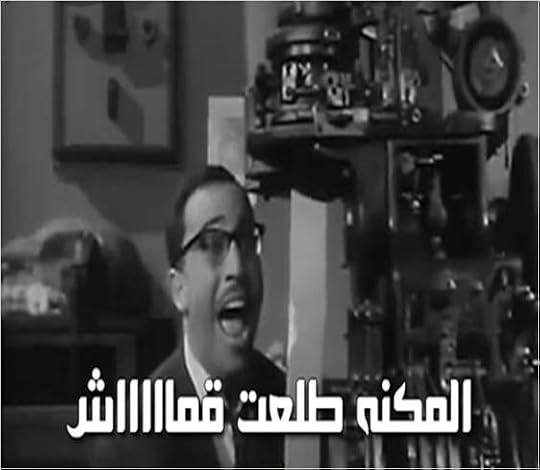
ذكرني بسبعاوي الذي يصلح أي شيء و في أي مكان حتى عندما يذهب ليرى خطيبته لأول مرة و الذي قام بدوره فؤاد المهندس في فيلم عائلة زيزي بجملته المشهورة: المكنه طلّعت قماش. لن يفهم هذه الملحوظة إلا جيل أفلام الأبيض و االأسود قبل أن تتلون الحياة.
ما أفعله ليس له أي علاقة بما يفعله أي شخص أخر. أمارس حياتي مستهلكا سعراتي الحرارية وفقا لنظرتي الخاصة للأمور. لا يعنيني ما يفعله الأخرون. لا أسخر منهم و لا أنظر إليهم حتى. قد لا أكون صالحا لشيء لكنني على الأقل لا أقف في طريق الأخرين.
كان منظر وجهي على مرآة الحمام يسبب لي رعشة. بدوت كأحد رجال منتصف العمر الذين نراهم يستقلون القطار الأخير من وسط المدينة. متمددين ثملين على المقاعد و هم يتقيأون على أنفسهم. كان جلدي جافا. و عيناي غائرتان. و فقد شعري لمعانه.
من مجموعة حدائق موراكامي
Profile Image for Tamoghna Biswas.
378 reviews158 followers
May 11, 2022
**2.5 stars**

I couldn’t understand if it was supposed to be a humorous slice of life. The protagonist is a typical Murakami-narrator once again, though he was somehow conscious of all his flaws this time. That he didn’t care was another thing, but at least he didn’t try to defend each and every one of his habits in front of his sister.

Maybe it’s a single child thing, but I can’t fully get it when an elder brother dislikes his sister’s boyfriend or fiancé by principle. Is that a patriarchal thing given the converse almost never happens? But even Rowling supported that… But yeah, observing it from my Harry Potter days with Ron Weasley, this one is considerably on the middle-of-the-roader side.

Just two regular siblings having a talk.
Profile Image for Nourhan Khaled.
Author 1 book388 followers
April 1, 2022
"كل ماتراه هو الأشياء السلبية, إنك حتى لا تحاول أن تنظر للجوانب الإيجابية.
لا تعير أي شيء أهتمامك إذا لم يرتق الى معاييرك, وذلك مايثير حفيظتي."

.

أن يغادر أحد الأبناء عش العائلة, هو كابوس لامفر منه . بين الخوف والغيرة ..تكون مشاعر الوالدين تجاه أولادهم .
ولكن هذا الشيء ينطبق أيضاً على الأخوة , خصوصاً أن كانت علاقتهم قوية , وكان هنالك فارق بالعمر بينهم , سوف تكون علاقتهم متينة وخاصة للغاية ,
لهذا نرى في هذه القصة غيرة الأخ تجاه أخته الصغرى, الفتاة التي يعرف عنها أكثر من ما يجب ,
وطبعاً بمنظوره الخاص والضيق لا يوجد رجلاً يناسب أخته الصغرى, ومن الطبيعي أن يكره الرجل الذي أختارته أخته , الرجل الذي سرقها منه, وبدأت تتغير لأجله أكثر وأكثر كل يوم.
شيئاً فـشيئاً تبتعد عنه أكثر ..
ليجد نفساً وحيداً, ولم يكن الزمن رحيماً معه, سنوات من اللهو والتهرب من المسؤولية لم تكن شيئاً سهلاً له ..
والآن هو وحيد, يرى أن اخته قد نضجت بالفعل, وأختارت حياة بعيدة عنه.
هو لايمكنه أن يقيدها معه الى الأبد. ولكنه يحتاج فقط المزيد من الوقت معها.
.
لقد أحببت هذه القصة للغاية , العلاقات العائلية , وخصوصا علاقة الأخوة هو شيء مميز وخاص لي.
.

Profile Image for Dystopian.
492 reviews270 followers
February 4, 2026
Family Affair is one of those quiet Murakami stories that sneaks up on you. It’s all about family, desire, and those awkward, complicated feelings we try to hide. Everyday life feels strangely tense and emotional, and even after you finish, you keep thinking about the choices and small moments that define relationships.
Profile Image for Abeer.
787 reviews46 followers
August 13, 2022
اخ واخت تربطهما علاقة مميزة ومتقاربين الى درجة كبيرة رغم اختلاف شخصيتهما الى ان تقرر الفتاة الزواج وهنا يبدأ الاخ فى اظهار عدم تقبله للتغير بالسخرية والنقد
من المؤكد اننا نرى نفس رد الفعل فى حياتنا.. عدم تقبل دخيل على العائلة وتغيير نمط الحياة ويختلف اسلوب التعبير من شخص لاخر
Profile Image for Mohammed Kittani.
Author 0 books2 followers
November 19, 2021
I wouldn't rate A Family Affair with only two stars. That's unfair! But I can't find an option on Goodreads to rate it "2.5 stars". The half star, personally, is a whopping difference. Two stars mean the work isn't good enough. Three stars mean it's good. Do you see the dilemma? A Family Affair is absolutely a good read, but it's not to my liking. Something is missing out. The thriller? The suspense? the what-the-fuck moment? But let's be realistic, Murakami's body of work isn't about the magical or the surreal or the fantastical. This story, for instance, is about the dynamics between a close brother and sister as the latter is about to get married while the older brother is stuck in an existence that is stagnant, repetitive, and pretty much meaningless.

It's about the non-stop flow of our lives and how we're constantly trying to fight for a sense of stability... because change signifies emotional and existential turbulence... because change signifies 'the unknown', and we're terrified of it, even if it's something as trivial as a "soldering iron".

This idea of breaking recurring patterns is plainly expressed by the unnamed brother. These changes in life are like changes in the barometric pressure. I’m kind of confused, too. and also by the unnamed sister. "But what if things don’t work out the way you want them to?"

The two characters—who are the antithesis of each other—are struggling to accept breaking the cycles of their lives and move on. This reminded me of Irrfan Khan's quote in Life of Pi:
"Life is an act of letting go." It's not about moving to college, for instance, it's about leaving childhood behind. Not about getting married but about stopping being single. Not about death, but about letting go of life. Because everything that has a beginning has an end. If we look at it from this viewpoint, maybe life would be much easier.
Profile Image for Qamar Mohamed.
Author 1 book150 followers
April 4, 2020
علاقة أخويه مميزه في ظل التقارب بين الأخ و أخته في الحوار و النقاش ، هذه العلاقة التى تتغير فجأة بسبب إقبال الفتاة علي الزواج لتتحول إلي مثل كل النساء المتزوجات حتى قبل أن تتزوج وتفقد جموحها و العوامل المشتركة بينها وبين أخيها ليضيق خلقاً بها و بخطيبها وبكل شئ أخر .

قصة مميزة من موراكامي
Profile Image for Manuel.
19 reviews
May 14, 2022
Un cuento ameno y atrevido sobre las cuestiones y problemáticas intra-familiares aglutinada y protagonizada por dos hermanos. El conflicto de relación está muy bien intencionado y no faltan justificaciones para entender la molestia que invade a cada personaje, el deseo o manía de sabotaje que tiene uno del otro.

A veces, como es de costumbre en la literatura de Murakami, se abusa de la confianza que el escritor (o pensador) tiene con el lector, y se afirman tópicos asentados en el poco tacto para nominarlas (como situaciones púdicas, etc.).

El mensaje final es lindo y necesario después de las actitudes leídas: la sangre no sabe de odios ni incomodidades, los hermanos lo son en buenas y malas, y se aman.

~ El elefante desaparece, Haruki Murakami (Colección Andanzas, 2016), «Un asunto familiar» (1985).
340 reviews2 followers
February 24, 2026
أحببتُ علاقتهم الأخوية المميّزة؛ فهم مختلفون، وكلٌّ منهم يمثّل نقيضَ الآخر، لكنهم في الأوّل والآخر إخوة تجمعهم المحبّة، وتربطهم ثقافةُ تفهّمٍ وتقبّلٍ للآخر. إنّها مسألتهم العائلية التي يُجيدون تحليلها وحلَّها ببراعة؛ فلا يخشون شيئًا، إذ لكلّ شيءٍ عندهم حلّ.
Displaying 1 - 14 of 14 reviews