This book opens the audience’s eyes to the extraordinary scientific secrets hiding in everyday objects. Helping readers increase chemistry knowledge in a fun and entertaining way, the book is perfect as a supplementary textbook or gift to curious professionals and novices.
• Appeals to a modern audience of science lovers by discussing multiple examples of chemistry in everyday life • Addresses compounds that affect everyone in one way or poisons, pharmaceuticals, foods, and illicit drugs; thereby evoking a powerful emotional response which increases interest in the topic at hand • Focuses on edgy types of stories that chemists generally tend to avoid so as not to paint chemistry in a bad light; however, these are the stories that people find interesting • Provides detailed and sophisticated stories that increase the reader’s fundamental scientific knowledge • Discusses complex topics in an engaging and accessible manner, providing the “how” and “why” that takes readers deeper into the stories
Dr. Steven Farmer lives in the Northern San Francisco Bay Area and currently holds a tenured position of professor at Sonoma State University. In addition to his teaching duties, Dr. Farmer maintains an active research group, which focuses on organic chemistry and chemical education. Dr. Farmer is an experienced, infectiously enthusiastic public speaker and has recently spearheaded a public outreach effort designed to increase the public’s knowledge of and interest in chemistry, which has taken him to schools, colleges, and public meetings. Also, he maintains an active chemistry blog at strangechemistry.net
Some odd facts about Dr. Farmer: 1) He gave up a career in skateboarding to become a chemist. 2) He has ninja training although no one seems to believe it. 3) His joints are hyper-mobile. 4) He holds a confirmed world’s record high score in a video game. 5) He is quite good at card magic but has no intention of quitting his day job.
Yeah I know. I'm the author so of course I gave myself five stars. These stories have been collected over a decade of teaching chemistry and represent the very strangest I've ever heard. They were specially picked because they are on the dark side and seem to evoke emotional responses in the listener. I have often heard students gasp while I discuss these stories. Don't worry, I also added some chemistry cartoons to lighten it up a bit. It is written so that it can be understood by almost anyone, so you need not worry if don't have a chemistry degree. I will have to warn you though that your view of the world may change after you find out how much strange chemistry is around you. Making chemistry more accessible to everyone is a passion of mine, so feel free to ask me any questions. I hope you find time to read and enjoy my book.
Here is a few spoilers discussed in Strange Chemistry.
Did you know that:
80% of the nitrogen found in human bodies comes from a chemical reaction? Acetaminophen is one of the leading causes of liver failure in the U.S.? Most pharmaceuticals are made from compounds derived from petroleum? Most nail polishes contain a known carcinogen? The production of the street drug Ecstasy is literally destroying the rainforests? Viruses are commonly added to sandwich meat? Many gemstones have been irradiated in a nuclear reactor?
I really loved this book. Being a big fan of this genre, I was intrigued by the books promise of sticking to the dark side of chemistry. It certainly did that and I will never look at my medication, food, or jewelry the same way. I still cannot believe that nuclear reactors are actually a natural phenomenon. What I thought was particularly unique about this book is the author’s use of drawings and cartoons to make the material easier to digest. Overall, I think there is over 200 images in the book. The book was definitely written for the layman and the concepts were explained at such a level that I actually understood everything. The stories were so easy to understand and shocking that I couldn’t wait to share them with my coworkers. I will definitely be reading this book again.
This book really changed how I view about chemistry. I remember sitting in my high school chemistry course and thinking “who cares?” Now I see that chemistry is everywhere. I think teachers should include stories such as these in the courses to keep student’s interest up. The writing is engaging and not “fluffy”. Some books feels that the author is putting in words to reach a certain page limit. This book is concise and always made me wonder what new strange chemistry was on the next page. In particular, the author gives a discussion about street drugs from the view point of an organic chemist. Simply fascinating. In fact the last chapter is called, “Why You Shouldn’t Use Illegally Made Drugs: The Real Reason”, where the author sums up one of the strangest stories I’ve ever heard. I read it to my children and it seemed to really make them think about the hidden dangers of using street drug. This book would make an excellent tool to any parent who would like to start a discussion about street drugs with their children.
I read this book as a pure layman, absolutely zero background in chemistry. It was a fascinating and easy read, two weeks cover to cover. Each chapter is broken into short stories which made it easy to stop and start reading without forgetting the point you are on.
And what a text! I couldn't put it down. You wouldn't think a chemistry professor could write so engagingly! Toxic honey, blue methamphetamine, lethal Bengay, radioactive gemstones, LSD cooking, various poisons you see every day. If it can get you high, poison you, or blow you up - then it's probably in the book. This is literally a textbook of the forbidden knowledge of chemistry
Browse the table of contents, and if you think the topic headings look interesting, get the book. You won't be disappointed.
How about a little game of chemistry trivia… • What is the most addictive substance? • What is the most commonly used explosive in North America? • Why should vegans avoid Reese’s Pieces candy? • How can Visine kill you? • What is the only known aphrodisiac? • Which drug has the worst withdrawal symptoms? How many of the above can you answer? These are only a few of the odd-and- intriguing topics discussed in this book. This book shows you how a subject that might have bored you in high school – chemistry – shows up everywhere in our daily lives. There’s loads of cool information you never knew, I guarantee…ranging from the chemical basis of illicit drugs, to everyday products that can kill us; from some surprising ingredients of ordinary food, to explosives and radioactivity. And yes, it does get a bit dark, for those of you who like a little thrill with your isopentenyl diphosphate and kermesic acid. Get it for your kid in high school. Who knows? The way this book gets the reader glued, they might just decide to become a chemistry major!
There is a dire shortage of popular chemistry books, so it's always a pleasure to find a title that is undoubtedly chemistry, yet is also likely to be of interest to the general reader.
Steven Farmer's subtitle for this book is 'the stories your chemistry teacher wouldn't tell you,' making it intriguingly suggestive of the interesting bits of chemistry that for one reason or another are considered to risky (or morally dubious) to feature in the chemistry classroom. It's a neat idea - and in many cases, it works very well as a way in.
There's a lot here on drugs, whether they are over the counter medication, prescription drugs or the illegal stuff. This certainly fits into the category of 'unlikely to be taught at school' with a few exceptions like aspirin (of which more in a moment), though after a while it did get to feel a bit samey, especially when having already had a couple of long sections on them we then get chemistry in popular culture, and we're back to them again, notably with the inevitable Breaking Bad (this didn't really do it for me, as this is a show I had no interest in watching).
I was much more interested by the venture into explosives, finding out a lot I didn't know (though I was sad not to see that old favourite, nitrogen triiodide featuring). Similarly we have a lot of fun with smells, oddities of food and just delightfully random material, such as what is the bitterest substance, and what costs $62.5 trillion per gram?
I wanted to go back to aspirin just to point out a couple of limitations. The subtitle promises us stories - and in my experience, the best popular chemistry books make good use of storytelling - but there's a bit of a tendency here to pile in facts without enough narrative. There's a great story to be told about aspirin - how it was developed and how it was part of the settlement after the First World War, meaning that a number of European countries could freely produce it - but we don't hear that. In fact, the whole book is very US oriented.
I'm sure the chemistry is excellent, though when the author strays into physics, things aren't always quite as solid - notably we are told 'All of the uranium-235 was created at the birth of the universe' - this is quite a leap from the reality that all the hydrogen, much of the helium and a bit of the lithium was created, but all the other elements were forged in stars (up to iron) or supernovae and stellar collisions (above iron) - not only a bit more complicated, but much more interesting.
I do like this book, and it would be a good one to encourage someone to read who's not sure what the point of chemistry is. It is very scattergun with lots of disconnected articles and a limited amount of narrative flow - but that would make it ideal for bitty reading, perhaps on a commute (it's a shame that the book's price is phenomenally high). Without doubt, one of the best popular chemistry books I've seen in the last few years.
3.5/5 This book gave exactly what it promised to give on the tin, and did not spare the details of the chemical reactions. Every single subsection contains molecular diagrams and chemical reaction schemas, and I appreciated that. THe individual subsections were also interesting enough, and short, so none of them went too far into the gory details. Yet, somehow, it was focused on the material that a chemist would find interesting, rather than the material that an interested person who likes science stories would find interesting. I feel like I would have wanted more detail about the various topics approached from a sensory level, rather than a molecular level: What do these chemicals look like? What do they smell like? What is an entertaining anecdote from your time working with them? One of the best parts when Farmer's description of the exhaustive precautions that must be taken to synthesize pharmaceuticals in a government-approved lab, in contrast to the things that go wrong cooking meth, which fails to follow such procedures, and so results in materials with impurities. I also enjoyed his whirlwind tour of how various chemicals make their appearances in TV shows (although I would have liked a more critical engagement of what the TV shows got wrong. For example, when Beverly Crusher says that Picard has high acetylcholine levels in his brain during All Good Things, as if he had acquired two days worth of memories, that is naturally bullshit--but why, exactly? How is acetylcholine related or not related to the acquisition of memory? Engage with the text more, Farmer!
I think the book did exactly what it set out to do. But I wish it had set out to do something just a little bit more interesting to me, rather than to a chemistry student who has just enough background to fully make sense of all the formulas and reaction schemas. That's not Farmer's fault, of course--he was writing for the student, not for me--but that's why its only a 3.5 stars.
This was an interesting read. I didn't take any chemistry classes in school, so a lot of it went over my head. In fact, the first chapter is a primer for readers who do not have much experience with chemistry, and a few pages in I almost set the book aside. But I decided to skip the rest of that chapter and move on the stories, and I'm glad I did. One of the first stories was about how the #1 cause of liver failure is overuse of acetaminophen, which had me texting my daughters and telling them to please always read and follow the instructions on pill bottles! I think they were just amused.
Anyway, some of the stories were a little bit of a slog for me, while other were very interesting, so overall I enjoyed the book.
Great stories of common chemicals that we interact with along with some chemicals that we should avoid. Very educational and understandable for most who have taken chemistry.
রসায়নের অধ্যাপক ড. স্টিভেন ফার্মার-এর বই স্ট্রেইঞ্জ কেমিস্ট্রি। রসায়নের যে চমৎকারী গল্পগুলো শিক্ষকেরা ক্লাসরুমে খুব একটা বলেন না, সে গল্পগুলোরই পসরা সাজিয়েছেন এ বইতে ড. ফার্মার। বইটা তো দুর্দান্ত, আমার ভীষণ প্রিয়। আমি এর ভালো-মন্���ের কোন আলোচনাতে না গিয়ে বরং যা যা শিখেছি তার একটা চুম্বক অংশ এখানে ধরে রাখছি:
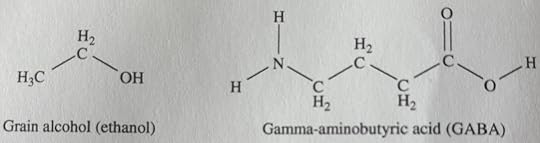
আমাদের মস্তিষ্কের নিউরনগুলোতে বিভিন্ন ধরণের নিউরোট্র্যান্সমিটার রয়েছে, যাদের কাজ স্নায়বিক সংকেতগুলোকে এক নিউরন থেকে আরেক নিউরনে পাঠানো, কিংবা সংকেতগুলোর মাঝে একটু বিরতি আরোপ করে স্নায়ুকে শান্ত রাখা। এমনই একটি অবরোধমূলক নিউরোট্র্যান্সমিটার হলো গ্যামা অ্যামাইনোবিউটাইরিক অ্যাসিড (GABA)। এ যৌগটি না থাকলে আমাদের মস্তিষ্ক একের পর এক স্নায়বিক সংকেত পেতে পেতে দিশেহারা হয়ে যেতো। মদের প্রধান উপাদান ইথাইল অ্যালকোহল বা ইথানল এই GABAকে আরো শক্তিশালী করে তোলে, স্নায়বিক সংকেতগুলো একের পর এক আটকে যেতে থাকে GABA'র জালে, ফলে স্নায়ু অসাড় হয়ে আসে। এ কারণেই মদ খেলে ঝিমুনি কাজ করে, শরীর ছেড়ে দিতে চায়।
মদ মস্তিষ্কের সবচেয়ে গুরুত্বপূর্ণ অংশটিতে প্রথম প্রভাব ফেলে (সেরেব্রাল করটেক্স)। দীর্ঘদিন ধরে যাঁরা প্রচুর পরিমাণে মদ্যপান করেন, তাঁদের মস্তিষ্কে GABA'র বিরুদ্ধে একটি প্রতিরোধ ব্যবস্থা দাঁড়িয়ে যায়, স্নায়বিক ভারসাম্য রক্ষা করবার জন্য (এটি না হলে শরীরের সবসময়ই ঝিমুনি কাজ করতো)। এ প্রক্রিয়াটিকে হোমিওস্ট্যাসিস বলে। তাঁরা যখন হঠাৎ মদ্যপান ছেড়ে দেন, তাঁদের মস্তিষ্কে GABA'র পরিমাণ স্বাভাবিকের বেশ নিচে চলে যায়, ফলে স্নায়বিক স্থিরতাও কমে যায়। রাজ্যের ছটফটানি এসে গ্রাস করে, মেজাজ খিটখিটে হয়ে যায়। অনেক সময় তাঁদের দৃষ্টিবিভ্রমও ঘটে, যাকে ডিলিরিয়াম ট্রেমেন্স ( DTs) বলে। অ্যালকোহলের এমন উইথড্রয়াল সিন্ড্রোম অনেক সময় মানুষের মৃত্যুও ডেকে আনতে পারে। মদ্যপানের ফলে মস্তিষ্কের nucleus acumbrens এবং orbitofrontal cortex-এই দুটি অঞ্চলে এন্ডরফিনের পরিমাণ বেড়ে যায়। প্রথম অঞ্চলটি আসক্তির সৃষ্টি করে, দ্বিতীয় অঞ্চলটি সিদ্ধান্ত নেবার ক্ষমতাকে প্রভাবিত করে। এই দুইয়ের যুগপৎ আক্রমণেই মদের প্রতি তীব্র আসক্তি তৈরী হয়, এবং মস্তিষ্ক ভুল সিদ্ধান্ত নিতে থাকে।
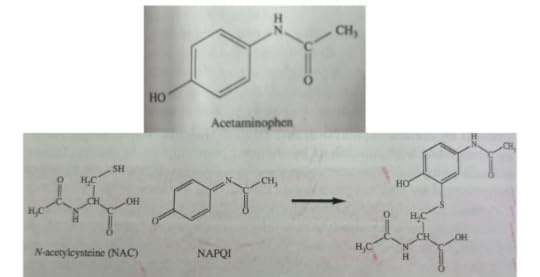
সম্প্রতি মার্কিন প্রেসিডেন্ট ডনাল্ড ট্রাম্প ব্যাথানাশক ঔষধ টাইলিনল সেবন করতে নিষেধ করেছেন, যা নিয়ে বেশ হাস্যরসের সৃষ্টি হয়েছে। তবে টাইলিনলের সত্যিই বেশ কিছু ক্ষতিকর দিক রয়েছে। ২০০৩ সালের হিসেব অনুযায়ী যুক্তরাষ্ট্রে যকৃৎ অকার্যকর (লিভার ফেইলিয়ার) হবার যতগুলো ঘটনা ঘটেছে, তার ৫১%-এর পেছনে কাজ করেছে টাইলিনল-এর মূল উপাদান অ্যাসিটামিনোফেন। এই উপাদানটি যকৃতে পৌঁছালে সাইটোক্রোম ৪৫০ নামক একটি এঞ্জাইম একে N-acetyl-p-benzoquionone imine (NAPQI) নামক একটি ভীষণ বিষাক্ত যৌগে পরিণত করে। আমাদের শরীরের গ্লুটাথিওন নামক একটি যৌগ রয়েছে, যার একটি অংশে থাকে থিওল নামক একটি বিশেষ রাসায়নিক গ্রুপ। এই থিওল বিষাক্ত NAPQI-এর সাথে বিক্রিয়া করে একে নির্বিষ বানিয়ে দেয়, কিন্তু কেউ যদি বিপুল পরিমাণ অ্যাসিটামিনোফেন গ্রহণ করে, যা শরীরে সংরক্ষিত গ্লুটাথিওনের চেয়ে বেশী, তখন অবশিষ্ট NAPQI শরীরের প্রোটিনের থিওল অংশটির সাথে বিক্রিয়া করে টিস্যু ধ্বংস করার কাজে লেগে পড়ে। ডিএনএর প্রতিলিপি বানাবার প্রক্রিয়াটি বন্ধ হয়ে যায় ধীরে ধীরে, যাকে হেপাটক্সিসিটি বলে, এবং যকৃৎ একসময় অকার্যকর হয়ে পড়ে।
অ্যাসিটামিনোফেনের বিষক্রিয়া থামাবার জন্য N-acetylcysteine (NAC) প্রয়োগ করা হয় শরীরের গ্লুটাথিওনের পরিমাণ বহুগুণে বাড়িয়ে দেবার জন্য, যা NAPQI’র সাথে যুক্ত হয়ে একে নির্বিষ করে দেয় ধীরে ধীরে। তবে শর্ত হচ্ছে অ্যাসিটামিনোফেন গ্রহণের ৮ ঘন্টার ভেতর NAC প্রয়োগ করতে হবে। অনেকেই রাতে মদ্যপানের পর সকালে হ্যাংওভারের মাথা ধরা ছাড়াবার জন্য টাইলিনল জাতীয় ব্যাথানাশক ওষুধ সেবন করেন। টাইলিনল শরীরে NAPQI-এর পরিমাণ বাড়িয়ে দেয়, ফলে তা উল্টো আরো বিষাক্ত হয়ে ওঠে।
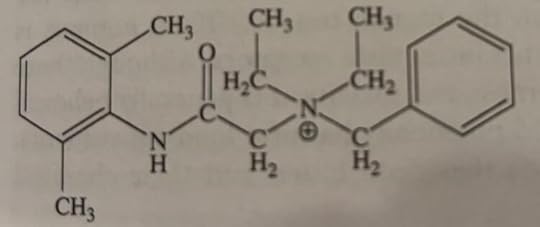
আমাদের নিত্য ব্যবহৃত অসংখ্য পণ্যেই (যেমনঃ নেইল পলিশ, অ্যান্টিফ্রিজ, ডিটারজেন্ট ইত্যাদি) ইথানল রয়েছে। মদে যাঁদের তীব্র আসক্তি তাঁরা অনেক সময়ই এ সকল পণ্য থেকে ইথানল আলাদা করে নেশায় মজতে চান। এছাড়াও, কমবয়েসী শিশু-কিশোররাও কৌতুহলী হয়ে ইথানল চেখে দেখবার পরীক্ষা করে বসতে পারে। এ ধরণের দূর্ঘটনা এড়াবার জন্য এই নিত্য ব্যবহৃত পণ্যগুলোতে ভীষণ তিতকুটে স্বাদের কোন একটি রাসায়নিক যৌগ মিশিয়ে দেয়া হয়, এ প্রক্রিয়াটিকে ডিনেইচারিং বলা হয়। অ্যালকোহল ডিনেইচার করবার জন্য হরেক রকম যৌগই ব্যবহৃত হয়েছে (অ্যামোনিয়া, ক্লোরোফর্ম, আইসোপ্রপিল অ্যালকোহল, কেরোসিন, ভিনেগার ইত্যাদি), তবে বর্তমানে সবচেয়ে জনপ্রিয় যৌগটি হলো ডিনেটোনিয়াম বেঞ্জোনেট (DB), যা পৃথিবীর সবচেয়ে তিতকুটে স্বাদের বস্তু হিসেবে স্বীকৃত। অলিম্পিক সাইজের একটি সুইমিং পুলে মাত্র এক টেবিল চামচ পরিমাণ DB মেশালেও তার স্বাদ দিব্যি বোঝা যাবে, এতটাই শক্তিধর এই যৌগটি!
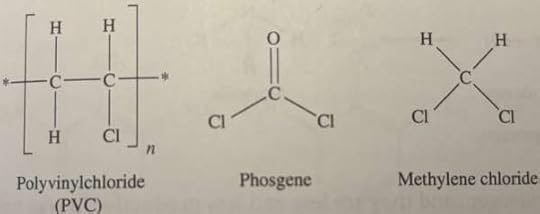
পৃথিবীর সবচেয়ে বিষাক্ত গ্যাসগুলোর একটি ফসজিন (COCl2)। প্লাস্টিক, ওষুধ, কীটনাশক ইত্যাদি শিল্পজাত পণ্য উৎপাদনে প্রতিবছর ২-৩ মিলিয়ন টন COCl2 ব্যবহৃত হয়। শুরুর দিকে এ গ্যাসটি মারণাস্ত্র হিসেবে ব্যবহৃত হতো; ১ম বিশ্বযুদ্ধে ৮০,০০০-১০০,০০০ মানুষের মৃত্যু ঘটিয়েছে এ গ্যাসটি। COCl2-এর সংস্পর্শে চামড়ায় গভীর ক্ষত তৈরী হয়। মূলতঃ দুভাবে COCl2 জৈবিক কোষের ক্ষতিসাধন করেঃ পানির সাথে বিক্রিয়া করে হাইড্রোক্লোরিক অ্যাসিড উৎপন্ন করতে পারে (COCl2 + H2O = CO2 + 2HCL)। এ বিক্রিয়াটি দেখলে বোঝা যায় কেন চামড়ায় অমন ক্ষতের সৃষ্টি হয়। দ্বিতীয় বিক্রিয়াটিকে বলা হয় অ্যাসাইলেশন। জৈবিক কোষের প্রোটিন কিংবা ফসফোলিপিডের সঙ্গে বিক্রিয়া করে COCl2 এদের কাঠামো বদলে দেয়, ফলে কোষগুলো তাদের কাজ আর সম্পন্ন করতে পারে না। শ্বাসের সাথে COCl2 ফুসফুসে প্রবেশ করলে তা টিস্যু ধ্বংস করে দেয়, ফলে পানি জমতে থাকে। COCl2-এর সংস্পর্শে এলে মৃত্যু সুনিশ্চিত, এর কোন চিকিৎসা নেই।
১৯৮৪ সালের ২রা ডিসেম্বর ভারতের ভোপালে এই COCl2কে ঘিরে ঘটে যায় মর্মান্তিক এক ঘটনা যা শিল্প-কারখানা সংক্রান্ত সবচেয়ে ভয়ানক দূর্ঘটনা বলে আজ অব্দি স্বীকৃত। প্রায় ৫ লক্ষ মানুষ গ্যাসটির সংস্পর্শে আসে, প্রথম সপ্তাহেই ৩-১০ হাজার মৃত্যু ঘটে। আমাদের নিত্য ব্যবহার্য অনেক পণ্য থেকেই COCl2 উৎপন্ন হতে পারে। পেইন্ট রিমুভার বা ড্রাই ক্লিনিং ফ্লুইড যদি ক্লোরিন সংবলিত হয়, যেমন মেথিলিন ক্লোরাইড কিংবা টেট্রাক্লোরোইথিলিন, আগুন বা উচ্চ তাপের সংস্পর্শে এলে এরা COCl2 উৎপন্ন করতে পারে। বাঙলাদেশে বর্তমানে পলিভিনাইল ক্লোরাইড (পিভিসি) সংবলিত প্লাস্টিকের পণ্য বেশ জনপ্রিয়। পিভিসিও একইভাবে উচ্চ তাপে COCl2 উৎপন্ন করে।
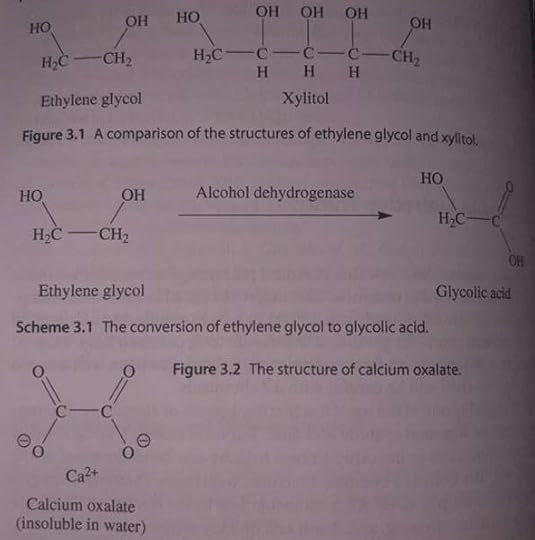
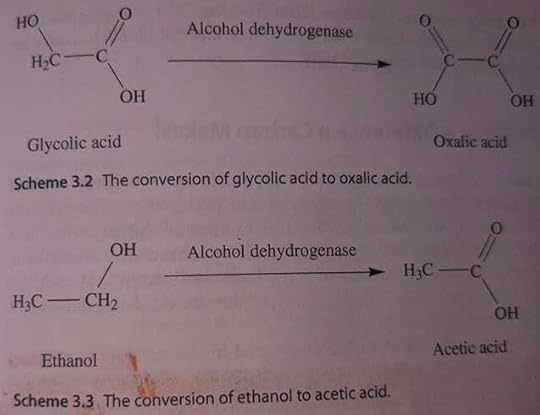
গাড়ীতে আমরা অ্যান্টিফ্রিজ হিসেবে যে যৌগটি ব্যবহার করি, সেটি মূলত মনোইথিলিন গ্লাইকল (MEG) এবং পানির একটি মিশ্রণ। এই MEG'র রাসায়নিক কাঠামোর সাথে কিছু কিছু চিনির (যেমন জাইলিটল) কাঠামোর বেশ মিল রয়েছে, সে কারণে এই যৌগটি বেশ মিষ্টি স্বাদের, কিন্তু আদতে তা ভীষণ বিষাক্ত। শরীরে প্রবেশ করলে যকৃতের একটি এঞ্জাইম অ্যালকোহল ডিহাইড্রোজেনেজ (ADH) MEGকে ভেঙে গ্লাইকোলিক অ্যাসিডে পরিণত করে, ফলে রক্তের অম্লতা বেড়ে যায়, যাকে অ্যাসিডোসিস বলে। অ্যাসিডোসিসের কারণে রক্তে অক্সিজেনের স্বল্পতা দেখা দেয় কারণ অ্যাসিডের হাইড্রোজেন হিমোগ্লোবিনের সাথে বন্ধন তৈরী করবার জন্য অক্সিজেনের সাথে প্রতিযোগীতা শুরু করে দেয়। ADH এঞ্জাইমটি গ্লাইকোলিক অ্যাসিডকে আবার ভেঙে অক্সালিক অ্যাসিডে যা পরিণত করে ���া কিডনীতে গিয়ে ক্যালসিয়ামের সাথে বন্ধন তৈরী করে ক্যালসিয়াম অক্সালেট তৈরী করে। পানিতে অদ্রবণীয় এই লবণটিকে আমরা কিডনীর পাথর হিসেবে জানি।
ইথিলিন গ্লাইকল খেয়ে ফেললে এর চিকিৎসা ইথানল (মদ)। ইথানল এবং ইথিলিন গ্লাইকল দুই-ই ADH এঞ্জাইমের সাথে বন্ধন তৈরী করতে প্রতিযোগীতা করে, তবে ইথানলই এ ইঁদুর দৌড়ে জেতে; ADH ইথানলকে অ্যাসিটিক অ্যাসিডে পরিণত করে। বন্ধন তৈরী করতে না পেরে ইথিলিন গ্লাইকল প্রস্রাবের সাথে বেরিয়ে যায়।
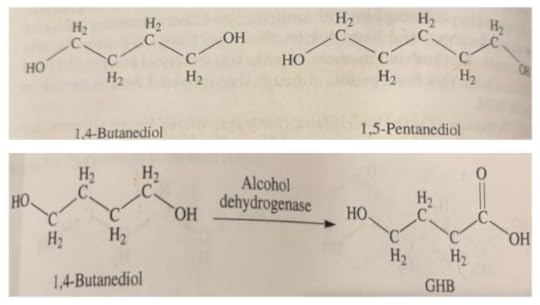
প্লাস্টিকের তৈরী খেলনা বা অন্যান্য পণ্যে প্রায়ই কিছু জৈব যৌগ মিশিয়ে দেয়া হয় পণ্যগুলোকে নরম করে বানাবার জন্য, এই যৌগগুলোকে প্ল্যাস্টিসাইজার বলে। সচরাচর প্ল্যাস্টিসাইজার হিসেবে ১,৫-পেন্টেইন্ডাইওল নামক একটি নিরাপদ যৌগ ব্যবহার করা হয়, কিন্তু বছর কয়েক আগে একটি চৈনিক প্রতিষ্ঠান বেশি লাভের আশায় তুলনামূলক সস্তা ১,৪-বিউটেইন্ডাইওল নামক ভিন্ন একটি যৌগ ব্যবহার করে। এই যৌগটি আমাদের শরীরের প্রবেশ করলে ADH একে ভেঙে গ্যামা হাইড্রক্সিবিউটানইক অ্যাসিডে (GHB) পরিণত করে, যার অপর নাম ডেইট রেইপ ড্রাগ। চেতনানাশক এ ড্রাগটি প্রয়োগ করে বহু নারীকেই ধর্ষণ করা হয়েছে। এ যৌগটি ২৪ ঘন্টা পর শরীর থেকে বেরিয়ে যায়, ফলে ধর্ষণের শিকার ব্যক্তির সুবিচার নিশ্চিত করা কঠিন হয়ে পড়ে অনেক সময়ই। মস্তিষ্কের সংকেত আটকে দেয়া GABA নিউরোট্র্যান্সমিটারটির সাথে GHB-এর রাসায়নিক কাঠামোর ভীষণ মিল, তাই শরীর যৌগ দুটিকে আলাদা করে চিনতে পারে না, বিপত্তিটা ঘটে তখনি।
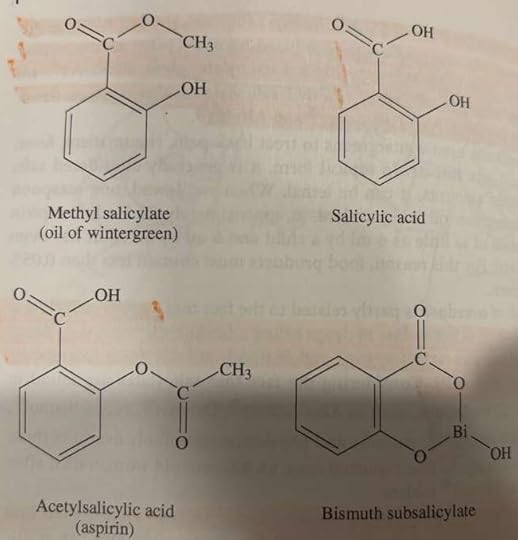
পশ্চিমা বিশ্বে, বিশেষত আমেরিকায় ব্যাথা উপশমের একটি মলম বেশ জনপ্রিয় যার বাজারি নাম Bengay। এই মলমটির মূল উপকরণ মিথাইল স্যালিসাইলেট, যা উইন্টারগ্রিন নামক এক ধরণের গাছের তেল থেকে আহরণ করা হয়। বিভিন্ন চকলেট, ক্যাণ্ডিতেও এই যৌগটি ব্যবহৃত হয় স্বাদবর্ধক হিসেবে। এই যৌগটি স্যালিসাইলেট নামক একটি বৃহৎ রাসায়নিক গ্রুপের অংশ যার অন্যতম সদস্য অ্যাসিটাইলস্যালিসাইলিক অ্যাসিড (অ্যাস্পিরিন), এবং বিসমাথ সাবস্যালিসাইড (পেপ্টো বিস্মালঃ গ্যাসের ওষুধ)। ২০ শতকের শুরুর দিকে এই মিথাইল স্যালিসাইলেট আত্নহত্যার অন্যতম জনপ্রিয় একটি মাধ্যম ছিলো; মাত্র ৬.৯ গ্রামই মৃত্যু ডেকে আনতে যথেষ্ঠ!
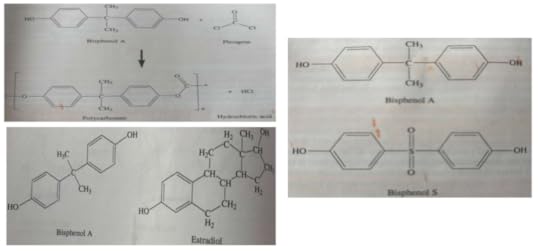
প্লাস্টিকের পণ্য কেনার সময় আমরা অনেকেই আগে পরখ করে নিতে চাই তা BPA-মুক্ত কি না। BPA-এর পুরো নাম বিস্ফেনোল এ, ফসজিন গ্যাসের সাথে এই জৈব যৌগটির বিক্রিয়া ঘটিয়ে পলিকার্বোনেট তৈরী করা হয় যা স্বচ্ছ এবং শক্ত প্লাস্টিকের পণ্য উৎপাদনের অন্যতম উপকরণ। নারীদের যে ৩ ধরণের এস্ট্রোজেন হরমোন রয়েছে, তার অন্যতম একটি এস্ট্রাডিওল; BPA’র রাসায়নিক কাঠামো এস্ট্রাডিওলের মতো, ফলে তা জরায়ুর এস্ট্রোজেন গ্রাহী কোষগুলোর সাথে সহজেই বন্ধন তৈরী করে নিতে পারে। BPA ভ্রুণের বিকাশে মারাত্নক ব্যঘাত ঘটায়। দোকানে কেনাকাটা শেষে থার্মাল পেপারে ছাপা যে রিসিপ্টটি আমরা হাতে পাই, তাতে BPA রয়েছে, যা আমাদের চামড়ায় চলে আসে। গবেষণা বলছে থার্মাল পেপারের মোট ওজনের ৩% ই BPA। যুক্তরাষ্ট্রের ৯৫% ডলারের নোটে BPA পাওয়া গেছে, রিসিপ্ট ও ডলার বিল একসঙ্গে থাকার কারণে। BPA-মুক্ত পণ্য কিনলেই যে আপনি নিরাপদ তাও নয়। অনেক কারখানায় এখন BPA-এর পরিবর্তে BPS (বিস্ফেনল এস) ব্যবহার করে। এই যৌগটি ভ্রুণের বিকাশ দ্রুতগতিতে ঘটায়, ফলে গোটা প্রজননব্যবস্থাটিই আক্রান্ত হয়।
শ্বাসের সাথে হিলিয়াম (He) গ্যাস ফুসফুসের ভেতর নিয়ে গলার স্বর পরিবর্তন করার খেলাটি ইদানিং বেশ জনপ্রিয় হয়েছে। ২০১২ সালে এভাবে He নেবার কারণে এক তরুণীর মৃত্যু ঘটে; রক্তনালীতে He-বুদবুদ জমা হয়ে মস্তিষ্কে রক্তপ্রবাহে বাধার সৃষ্টি করে, ফলে স্ট্রোক হয়। ডুবুরীরা খুব তাড়াতাড়ি পানির নিচ থেকে উঠে এলে তাদের ক্ষেত্রেও এমনটা ঘটে, একে ডিকম্প্রেশন ইলনেস বলে। হেনরির সূত্রমতে, পানিতে দ্রবীভূত গ্যাসের পরিমাণ গ্যাসের চাপের সমানুপাতিক; অর্থাৎ যেখানে গ্যাসের চাপ বেশি, সেখানে দ্রবীভূত গ্যাসের পরিমাণও বেশি। ডুবুরীদের গ্যাসট্যাঙ্কের চাপ খুব বেশি থাকে বলে তাদের রক্তে নাইট্রোজেন (N) অনেক বেশি পরিমাণে দ্রবীভূত হয়। তারা যদি ধীরে ধীরে ওপরে না উঠে একবারে ভুস করে উঠে পড়ে, তখন কোকের বোতল খুললে যেমন বিপুল বেগে CO2 বেরিয়ে পড়ে, তেমন অবস্থাই হয়। ঠিক এ কারণেই সিলিণ্ডারে উচ্চ চাপে রাখা He কখনো শ্বাসের সাথে গ্রহণ করা উচিৎ নয়। সাধারণ বেলুনের ভেতর চাপ অনেক কম থাকায় সেটি তুলনামূলক নিরাপদ।
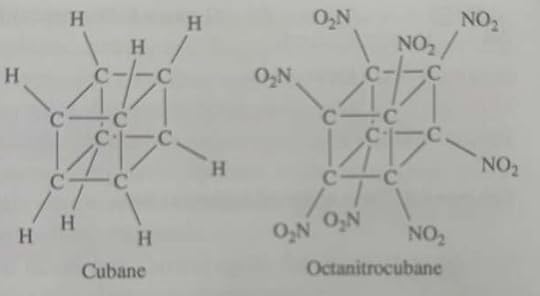
পারমাণবিক বোমার ক্ষমতার ব্যাপারে আমাদের মোটামুটি ধারণা আছে। অ-পারমাণবিক বোমার মাঝে সবচেয়ে ভয়ানক হলো অক্টানাইট্রোকিউবেইন (ONC)। এ যৌগে কার্বনের (C) পরমাণুগুলো পরস্পরের সাথে ৯০ ডিগ্রী কোণে কিউব আকারে সজ্জিত হয়ে কিউবেইন নামক একটি আকৃতি ধারণ করে। C সচরাচর ১০৯.৫ ডিগ্রী কোণে সজ্জিত থাকতে 'পছন্দ' করে, কিন্তু কিউবেইনের সংকুচিত কোণের কারণে একটা বেশ টানটান অবস্থার সৃষ্টি হয় ফলে প্রচুর শক্তি জমা হয় কাঠামোটিতে। এ অবস্থাটিকে আমরা একটি টেনে ধরা স্প্রিং-এর সাথে তুলনা করতে পারি। এছাড়াও যৌগটিতে বেশ কয়েকটি নাইট্রো গ্রুপ (NO2) রয়েছে যা একে বাড়তি শক্তি দেয়।
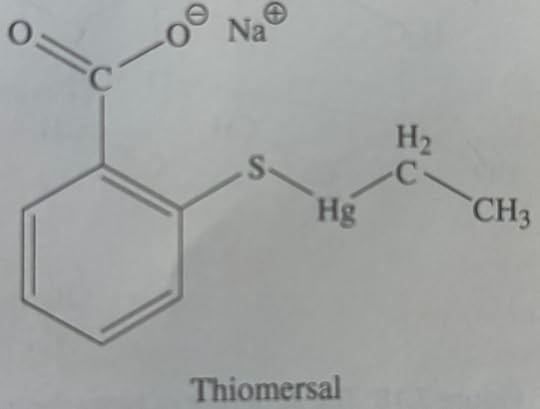
যুক্তরাষ্ট্রে বর্তমানে ভ্যাক্সিন নেবার সঙ্গে অটিজমের সম্পর্ক নিয়ে রাজনীতির মাঠ বেশ উত্তপ্ত। এই তর্কটির উৎপত্তি একটি রাসায়নিক যৌগের কারণে, যার নাম ইথাইল মার্কারি থায়োস্যালিসাইলিক অ্যাসিড (থাইমেরোসাল); মূলত এ যৌগে বিষাক্ত মার্কারি বা পারদ (Hg)-এর উপস্থিতিই এ তর্কটির মূল ভিত্তি। চোখের ড্রপ, ভ্যাক্সিন, নাকের স্প্রে ইত্যাদিতে ১৯৩০ সাল থেকে এই যৌগটি ব্যবহৃত হয়ে আসছে। এছাড়া টিটেনাস, ডিফথেরিয়া, হেপাটাইটিস বি, রেইবিস, ইনফ্লুয়েঞ্জা ইত্যাদির ভ্যাক্সিনে সচরাচর ০.০০১-০.০১% থাইমেরোসাল থাকে, অর্থাৎ ০.৫ ml ভ্যাক্সিনে Hg'র পরিমাণ ২৫ ug।
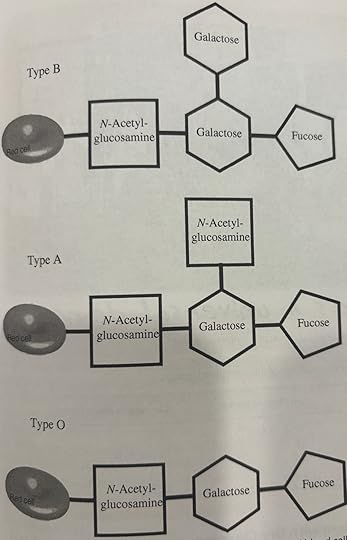
রক্তের গ্রুপ যে ৪ প্রকার হয় সে তো আমরা জানি; A (৪৩%), B (১২%), AB (৫%) ও O (৪৩%)। লোহিত রক্ত কণিকার সাথে গ্যালাক্টোজ, এন-অ্যাসিটাইলগ্লুকোজঅ্যামাইন, ফুকোজ-এই চিনিগুলো কীভাবে সজ্জিত আছে তার ওপরই নির্ভর করে রক্তের গ্রুপ কী হবে। এক গ্রুপের কেউ যদি ভিন্ন গ্রুপের কাউকে রক্ত দেয় তাহলে তার বিরুদ্ধে অ্যান্টিবডি তৈরী হয়ে যায়। একমাত্র AB গ্রুপের রক্ত কোন অ্যাণ্টিবডি তৈরী করে না, ফলে এই গ্রুপটির মানুষেরা যে কারো রক্তই নিতে পারেন। O গ্রুপ A এবং B-দু ধরণের অ্যান্টিবডিই তৈরী করে, তাই O গ্রুপ রক্তধারীরা সবাইকেই রক্ত দিতে পারেন। ভুল গ্রুপের রক্ত দান করলে তা শরীরে অ্যাকিউট হিমোলাইটিক ট্র্যান্সফিউশন রিঅ্যাকশন (AHTR) নামক ভয়ানক প্রতিক্রিয়া ঘটায়, যা সহজেই মৃত্যু ডেকে আনতে পারে। মাত্র ৫-২০ ml রক্তেই এমনটা ঘটা সম্ভব।
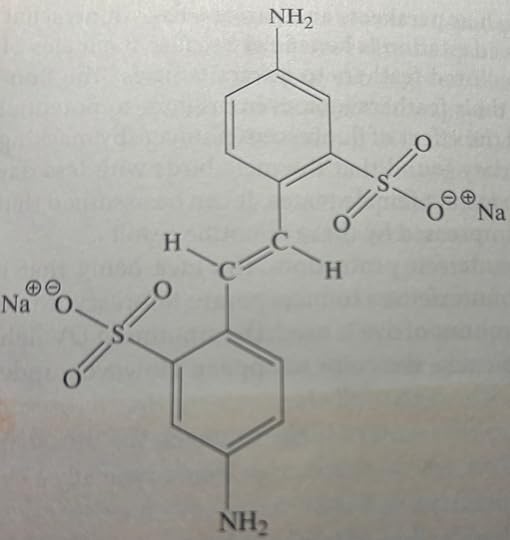
ফ্লুরোসেন্স এমন একটি প্রক্রিয়া, যার মাধ্যমে কোন একটি পদার্থ উচ্চ শক্তির আলো শোষণ করে কম শক্তির দৃশ্যমান আলোকরশ্মি নি:সরণ করে। সুতির কাপড়ে হোয়াইটেনিং এজেন্ট হিসেবে এমন কিছু যৌগ মেশানো থাকে যা অতিবেগুনী রশ্মি শোষণ করে কিছুটা নীলচে বর্ণ নি:সরণ করে। কাপড়ের হলদে/ বাদামী বর্ণের সুতোর সাথে মিশে এ��� নীলচে রশ্মিটি আমাদের চোখে সাদা হিসেবে প্রতীয়মান হয়। ইদানিং প্রায় সব কাপড়েই এই হোয়াইটেনিং এজেন্ট মেশানো থাকে কাপড়কে উজ্জ্বল দেখাতে। বারবার ধোয়ার ফলে এই যৌগটি কাপড় থেকে বেরিয়ে যায়, তাই বর্তমানে কাপড় ধোয়ার ডিটারজেন্টেও এই যৌগগুলো মেশানো থাকে। Tide-এ হোয়াইটেনিং এজেন্ট হিসেবে আছে ডাইসোসিয়াম ডাইঅ্যামাইনোস্টিলবিন ডাইসালফোনেট।
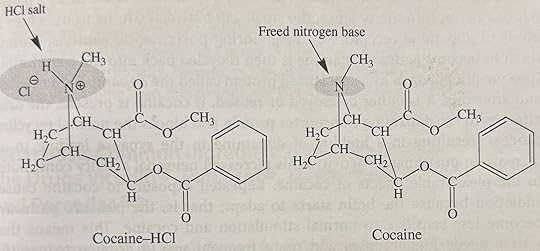
কোকেন পাউডারকে প্রচণ্ড নেশাদায়ক একটি দ্রব্য হিসেবেই জানি আমরা, তবে এর আরেকটি সংস্করণ, যেটি সিগারেটে ভরে খেতে হয়, ক্র্যাক কোকেন, সেটি আরো অনেক বেশি আসক্তি জাগায়। পাউডার অবস্থায় কোকেন একটি হাইড্রোক্লোরিক লবণ, যার কাঠামোতে একটি ক্ষারীয় N থাকে। কোন অ্যাসিড, যেমন HCl-এর সংস্পর্শে এলে অ্যামাইন গ্রুপটি (NH2) অ্যাসিড থেকে একটি প্রোটন গ্রহণ করে অ্যামোনিয়াম লবণে (NH4) পরিণত হয়। N-এর ধনাত্নক ও Cl-এর ঋণাত্মক চার্জের জন্য আয়োনিক বন্ধন গঠিত হয়, ফলে গঠিত NH4 লবণের আন্ত:আণবিক শক্তিও অনেক বেড়ে যায়, সেই সাথে বাড়ে গলণাঙ্ক ও স্ফুটনাঙ্ক। এ অবস্থায় পাউডার কোকেনের গলণাঙ্ক ১৯০ ডিগ্রি সেলসিয়াস বলে তা সিগারেটে ভরে খাওয়া সম্ভব নয়। ধূমপানের উপযোগী করতে HCl-কোকেনের অম্লীয় মিশ্রনটিকে ক্ষারীয় বেকিং সোডার (NaHCO3) সাথে বিক্রিয়া করানো হয় ফলে N-এর সাথে সংযুক্ত H টি অপরাসারিত হয়ে তা ক্ষারীয় N-এ পরিণত হয়, এ কারণেই একে freebase বলে। আন্ত:আণবিক শক্তি কমে যাবার কারণে গলণাঙ্ক নেমে আসে ৯০ ডিগ্রীতে। এভাবেই ধূমপানের উপযোগী হয়ে ওঠে কোকেন।
আমেরিকায় বেশিরভাগ গাড়ীর এয়ারব্যাগে ৩০০ গ্রামের মতো একটি ভয়ানক বিষাক্ত যৌগ থাকে, যার নাম সোডিয়াম অ্যাজাইড (NaNa3)। দূর্ঘটনা ঘটার ৫০ মিলিসেকণ্ডের মাঝে এয়ারব্যাগ খুলতে হয় বলে এই বিস্ফোরক দ্রব্যটি ব্যবহৃত হয়। গাড়ীতে আঘাত লাগার সাথে সাথে NaNa3 বিস্ফোরিত হয়ে বিপুল বেগে N গ্যাস উৎপন্ন করে এয়ারব্যাগটি ফোলায়। N গ্যাস কেন প্রয়োজন? কোন রাসায়নিক বিক্রিয়ায় যদি নতুন গঠিত পদার্থের বন্ধন বিক্রিয়ার ফলে ভেঙে যাওয়া বন্ধনের চেয়ে বেশি হয়, তাহলে বিপুল বেগে প্রচুর শক্তি মুক্তি পায়। N-এর অণুগুলো পরস্পরের সাথে ৩টি বন্ধন দ্বারা আবদ্ধ থাকে (N≡N), যা প্রচণ্ড শক্তিশালী। এই বন্ধন ভাঙা প্রায় অসম্ভব। NaNa3-এর বিস্ফোরণের মাধ্যমে N তৈরী হলে মাত্র ৫০ মিলিসেকণ্ডের ভেতর ঘন্টায় ১৫০ মাইল বেগে এয়ারব্যাগটি খোলা সম্ভব হয়। মুশকিল হলো মাত্র ০.৭ গ্রাম NaNa3 মৃত্যু ডেকে আনতে পারে, শ্বাসের সাথে ভেতরে গেলে, কিংবা চামড়া ভেদ করে শরীরে প্রবেশ করলে। পানির সংস্পর্শে NaNa3 হাইড্রাজোয়িক অ্যাসিড নামক একটি ভয়ানক বিষাক্ত গ্যাসেও পরিণত হয়। এছাড়া NaNa3 শরীরের কোষগুলোকে অক্সিজেন গ্রহণে বাধা দেয়, ফলে এর সরাসরি সংস্পর্শে এলে শ্বাসরুদ্ধ হয়ে মৃত্যু নিশ্চিত!
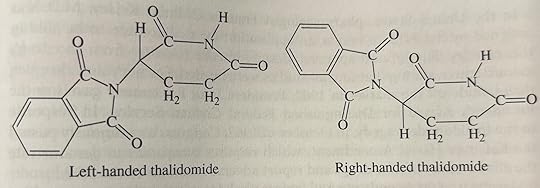
কাইরালিটি রসায়নশাস্ত্রের অত্যন্ত গুরুত্বপূর্ণ একটি অংশ। কোন একটি যৌগের আণবিক বিন্যাস ডানদিকে না বাঁদিকে মুখ করে রয়েছে সেটির ওপর যৌগটির বৈশিষ্ট্য বা ধর্ম নির্ভর করে। থ্যালাইডোমাইড (C13H10N2O4) এমনই একটি যৌগ যার ডানহাতি এবং বাঁহাতি দুরকম বিন্যাসই প্রকৃতিতে রয়েছে। ডানহাতি বিন্যাসে এ যৌগটি ঘুমের ওষুধ হিসেবে কাজ করে। গর্ভবতী নারীরা সকালে যে মর্নিং সিকনেস অনুভব করেন, তার চিকিৎসায়ও কাজে আসে। কিন্তু এই যৌগটিরই বাঁহাতি বিন্যাস গর্ভাবস্থায় শিশুর বিকাশে ভয়ানক ক্ষতিসাধন করে। বাঁহাতি বিন্যাসের C13H10N2O4 গ্রহণ করবার ফলে এ পর্যন্ত প্রায় ১০,০০০ শিশু বিকৃত হাত-পা নিয়ে জন্মগ্রহণ করেছে, যাদের বেশিরভাগেরই মৃত্যু ঘটেছে খুব অল্প বয়সে।
ব্রেকিং ব্যাড সিরিজে মেথঅ্যাম্ফেটামিন বানাবার বেশ কয়েকটি প্রক্রিয়া দেখানো হয়েছে। মেথ আজও ডেসোক্সিন নামে ওষুধ হিসেবে বাজারে পাওয়া যায়, তবে এর বিক্রি কড়া নজরে রাখা হয়। মেথ গ্রহণ করলে তা আমাদের মস্তিষ্কে ডোপামিন (DA) নিউরোট্র্যান্সমিটারটির পরিমাণ বাড়িয়ে দেয়। DA আমাদের মনোযোগ, উদ্দীপনা, ঘুম ইত্যাদি নিয়ন্ত্রণ করে। মজাদার খাবার খেলে, যৌনকর্ম করলে, প্রিয়জনের সাথে সময় কাটালে কিংবা প্রশংসা শুনলে DA নিঃসরণ হয়। মস্তিষ্কে DA বেড়ে গেলে অতিরিক্ত সক্রিয়তা, চঞ্চলতা, ছটফটানি, এবং অনিদ্রা বেড়ে যায়। অতিরিক্ত DA স্কিজোফ্রেনিয়াও ঘটায়। অ্যাম্ফেটামিন (ইয়াবা), এমডিএমএ (ইক্সট্যাসি), এবং মিথাইলফেনাইডেইট (রিটালিন) ঠিক একই প্রক্রিয়ায় মস্তিষ্কের ওপর প্রভাব বিস্তার করে। মস্তিষ্কের আনন্দদায়ী অংশটুকুকে ছিনতাই করে নেয় বলে এই নেশাজাত দ্রব্যগুলো প্রচণ্ড আসক্তি জাগায়।
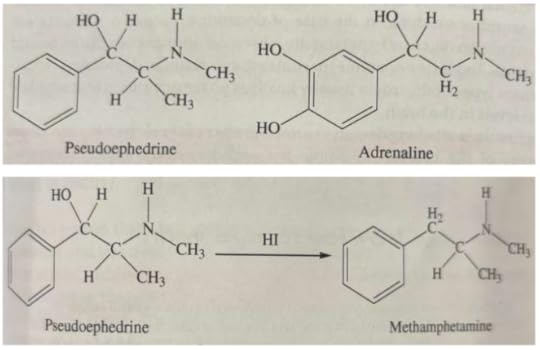
অ্যাড্রেনালিন (EPI) নিউরোট্র্যান্সমিটারটির কথা তো আমরা সবাই-ই জানি; EPI আমাদের হৃৎপিণ্ডের গতি বাড়িয়ে পেশিতে রক্ত সঞ্চালন বৃদ্ধি করে। টানটান উত্তেজনার মূহুর্ত বোঝাতে আমরা অ্যাড্রেনালিন রাশ কথাটা প্রচুর ব্যবহার করি। এই EPI-এর কাঠামোর সাথে মেথ-এর কাঠামোর বেশ মিল রয়েছে। একই কাঠামো রয়েছে আরো একটি যৌগের, যার নাম সিউডোফেড্রিন (PSE)। এই যৌগটি আসে Ephedra sinica নামক একটি তৃণ থেকে; চৈনিকেরা এই গাছটি প্রায় ৫০০০ বছর ধরে সর্দি-কাশির চিকিৎসায় ব্যবহার করে আসছে। PSE ও মেথ একইরকম গঠনের বলে PSEকে মেথ বানাবার প্রাথমিক উপাদান হিসেবে ব্যবহার করা হয়। PSEকে হাইড্রোআয়োডিক অ্যাসিড (HI) দিয়ে বিক্রিয়া করিয়ে মেথ তৈরী করা হয়। HI প্রস্তুত করা হয় পানিতে আয়োডিন এবং লাল ফসফরাসের বিক্রিয়া ঘটিয়ে। এই পদ্ধতিটিকে মস্কো মেথড বলা হয় যা ব্রেকিং ব্যাড-এও এসেছে।
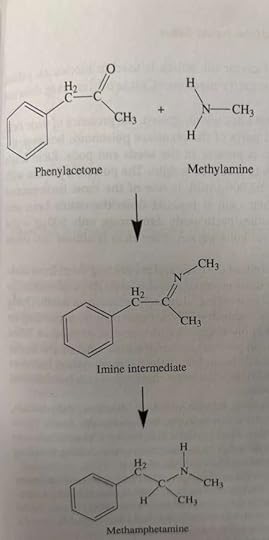
PSE আমেরিকায় Sudafed, Claritin, Actifed, Contac, Zyrtec, Theraflu, Aleve ইত্যাদি কফ সিরাপের ওষুধে পাওয়া যায়। এই ওষুধগুলোর বিক্রিতে কড়াকড়ি রয়েছে বলে ব্রেকিং ব্যাড-এ ওয়াল্টার এবং জেসি পরবর্তীতে রিডাক্টিভ অ্যামাইনেশন নামক ভিন্ন একটি পদ্ধতিতে মেথ বানানো শুরু করে। ফিনাইল অ্যাসিটোন এবং মিথাইলঅ্যামাইন এ পদ্ধতির সবচেয়ে গুরুত্বপূর্ণ দুটি উপাদান।
ড. ফার্মার এ বইতে বিভিন্ন নেশাজাত পণ্যের ক্ষতিকর দিক তুলে ধরে বারবার পাঠককে সতর্ক করে দিয়েছেন। যে সমস্ত নেশাজাত দ্রব্য রাস্তাঘাটে অবৈধভাবে কিনতে পাওয়া যায়, সেই স্ট্রিট ড্রাগগুলোর ব্যাপারে তো ভীষণ ভয় ধরিয়ে দিয়েছেন। আর সবকিছুকে ছাপিয়ে কৃত্রিমভাবে তৈরী বিবিধ নেশাজাত পণ্য এড়িয়ে চলার বার্তাটিই সবচেয়ে বড় হয়ে উঠে আসে। ভীষণ কৃতজ্ঞ হয়ে রইলাম ড. ফার্মার-এর কাছে।
This book provides some surprising detail around the chemistry of various commercial products and substances encountered in daily life, and stands out as one of the few accessible books on chemistry. Many products used regularly by consumers are quite poisonousness. Some of the more interesting subjects:
Interesting material on alcohol, nicotine and caffeine - their deadly effects are not well known by the general population in spite of their widespread use. The hospitalization rate due to energy drinks has increased ten-fold over the last decade.
Antifreeze, ethylene glycol, is odorless and sweet tasting, making it a popular poison. While it results in thousands of human poisonings each year, it also kills an estimated 10,000 dogs and cats each year. For these reasons, a bitter substance has been added to products since 2012.
It is very important to strictly observe the maximum dose of acetaminophen, found in Tylenol, Sudafed, Sinutab and others, as high doses destroy the liver. Half of all liver failures and over 50,000 emergency room visits are due to this chemical.
Visine eye drops contain tetrahydrozoline and are poisonousness, resulting in over a thousand cases of poisoning each year.
Anti-inflammatory sports balms, such as Bengay, contain methyl salicylate. In high doses, salicylates cause in excess of 100,000 poisonings a year plus the occasional death.
Bisphenol-A (BPA) is used to make polycarbonate, a clear hard plastic used in water containers. Trace amounts show up in beverage containers, packaging and many other places. Animal studies have correlated it with cancers, body weight increases and early puberty, resulting it being declared a toxic substance in some areas. Unfortunately, this has resulted in it being replaced with Bisphenol-S (BPS) which has been associated with reproductive issues.
Lacquer is derived from the sap of the Japanese lacquer tree (Toxicodendron vernicifluum) which contains 65% urushiol. The application of the protein laccase causes oxidation and polymerization to form a hard surface. Urushiol is the oily chemical in poison ivy and raw cashew nuts which causes tissue damage. Occasionally, lacquered items that are not fully cured can also cause rashes.
The buttery taste in microwave popcorn is due to the addition of diacetyl. Excessive exposure can cause irreversible lung disease. Many food companies have removed diacetyl from their products.
Cellophane is reconstituted cellulose and is again becoming popular as a packaging material as it is 100 percent biodegradable.
While Coca-Cola originally contained cocaine, in was removed in 1910. Cole still contains decocainized extract from cocaine leaves that are imported to extract cocaine for medicinal purposes. Coke is only company allowed to make use of the leaves after processing.
Powdered alcohol is alcohol that has been absorbed by a solid composed of dextrins. When added to water, the water replaces the alcohol, freeing it to become part of the drink.
Few deaths occur from LSD use because the lethal dose is 1400 times the effective dose. However, it is less well known that users can suffer from Hallucinogen Persisting Perceptive Disorder where the altered perception may last for weeks or longer. There is no known cure.
High Fructose Corn Syrup (HFCS) is very controversial these days. It is made by breaking up the starch from corn into glucose, then adding an enzyme to convert some of the glucose to fructose giving a 50/50 mixture. This mimics table sugar or sucrose, where the molecules are made of a glucose and a fructose molecule bonded together. Honey contains a similar ratio of simple sugars. Since Coke changed to Classic Coke, the product is made from HFCS leaving a market for soft drinks made from sucrose.
Orange juices are highly processed with the concentration removing the chemicals that give it flavour. Once reconstituted, flavour packs made from orange extracts and other chemicals are added to restore the taste. This is also done with orange juice labelled as "Not from concentrate", while that labelled "freshly squeezed" retains the original flavours.
Food contaminated by the bacteria Listeria monocytogenes causes only 4 percent of the food poisonings, but results in 27% of the deaths. Outbreaks invariably result in deaths. An additive containing viruses called bacteriophages that kill Listeria has been approved for use on fruits, vegetables and meats.
Phosphine is an extremely poisonous gas, being dangerous at a concentration of 0.02%. It can be created by adding water to aluminum phosphide, and is used for fumigation and killing burrowing rodents. Poison pellets are extremely dangerous to children. Strangely, pets can ingest zinc phosphide and produce phosphine internally, poisoning staff at veterinary centers.
These and many other chemicals are covered in detail. Farmer includes interesting material on radioactivity and explosives. While much of the material is on poisons, he observes that chemists must always take care in carrying out reactions because of the possibility of generating unexpected poisons.
I've always been fascinated by chemistry, though especially with organic chemistry. One atomic change in a compound can often drastically change its properties, and there are literally almost an infinite number of different compounds, of which there are undoubtedly many other useful applications for them which we have yet to discover and catalog.
This is a good starting book for laymen about some of the most useful, interesting, and extreme chemicals. From poisons, to pharmaceuticals and illegal drugs, to the vast library of ubiquitous petroleum derived products, this book covers a fair amount. However, this is not like an introduction to chemistry book as it hardly even mentions what one would cover in the first part of a chemistry 101 course. Regardless, it's a book, I think, primarily meant to give a broad overview as well as to further pique the interest of those wishing to know more about this very important subject.
An excellent book full of short, amusing chemistry anecdotes.
It was written by an organic chemistry professor with particular aim at educators. The author hopes that the educators will share the stories, or develop their own, and share them with students to illustrate how chemistry is an interesting and relevant field.
While aimed at people who have a bit of a chemistry education it is not too dense and the author does a good job of explaining the concepts required to appreciate the anecdotes. If you've taken a high school chemistry class you'll be good; if it tickles your fancy you're probably fine picking this book up without any chemistry classes too.