

What do you think?

Asphodel, That Greeny Flower & Other Love Poems
Book by Williams, William Carlos
- GenresPoetry
60 pages, Paperback
First published November 1, 1994
About the author
William Carlos Williams
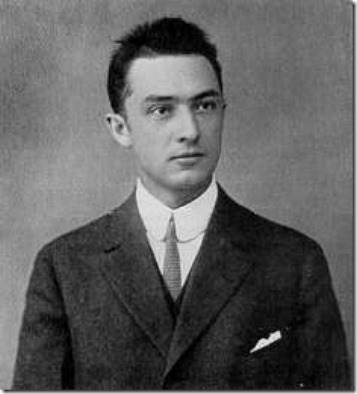
433 books845 followersWilliam Carlos Williams was an American poet closely associated with modernism and Imagism. He was also a pediatrician and general practitioner of medicine. Williams "worked harder at being a writer than he did at being a physician," wrote biographer Linda Wagner-Martin. During his long lifetime, Williams excelled both as a poet and a physician.
Although his primary occupation was as a doctor, Williams had a full literary career. His work consists of short stories, poems, plays, novels, critical essays, an autobiography, translations, and correspondence. He wrote at night and spent weekends in New York City with friends—writers and artists like the avant-garde painters Marcel Duchamp and Francis Picabia and the poets Wallace Stevens and Marianne Moore. He became involved in the Imagist movement but soon he began to develop opinions that differed from those of his poetic peers, Ezra Pound and T. S. Eliot. Later in his life, Williams toured the United States giving poetry readings and lectures.
In May 1963, he was posthumously awarded the Pulitzer Prize for Pictures from Brueghel and Other Poems (1962) and the Gold Medal for Poetry of the National Institute of Arts and Letters. The Poetry Society of America continues to honor William Carlos Williams by presenting an annual award in his name for the best book of poetry published by a small, non-profit or university press.
Williams' house in Rutherford is now on the National Register of Historic Places. He was inducted into the New Jersey Hall of Fame in 2009.
Although his primary occupation was as a doctor, Williams had a full literary career. His work consists of short stories, poems, plays, novels, critical essays, an autobiography, translations, and correspondence. He wrote at night and spent weekends in New York City with friends—writers and artists like the avant-garde painters Marcel Duchamp and Francis Picabia and the poets Wallace Stevens and Marianne Moore. He became involved in the Imagist movement but soon he began to develop opinions that differed from those of his poetic peers, Ezra Pound and T. S. Eliot. Later in his life, Williams toured the United States giving poetry readings and lectures.
In May 1963, he was posthumously awarded the Pulitzer Prize for Pictures from Brueghel and Other Poems (1962) and the Gold Medal for Poetry of the National Institute of Arts and Letters. The Poetry Society of America continues to honor William Carlos Williams by presenting an annual award in his name for the best book of poetry published by a small, non-profit or university press.
Williams' house in Rutherford is now on the National Register of Historic Places. He was inducted into the New Jersey Hall of Fame in 2009.
Ratings & Reviews
Friends & Following
Create a free account to discover what your friends think of this book!
Community Reviews
Displaying 1 - 18 of 18 reviews

April 13, 2018
"What power has love but forgiveness?
In other words
by its intervention
what has been done
can be undone."
Asphodel, That Greeny Flower & Other Love Poems ~~~ William Carlos Williams
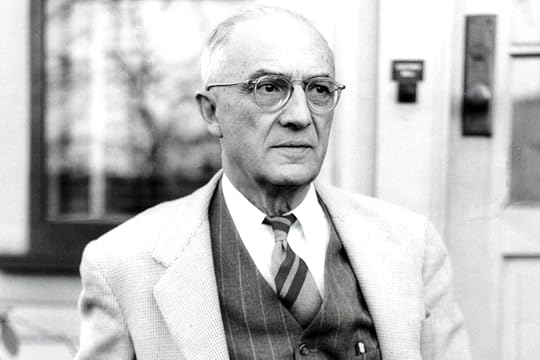
This slim volume contains 12 beautiful poems written by William Carlos Williams. "Asphodel, That Greeny Flower" , the title poem, is 32 pages long. What is amazing to me is that Williams wrote this piece at the at of 72. His creative powers were as strong and vital as they had been in his 20's, if not more so.
An interesting footnote, Williams was a doctor. He often wrote his poems on the back of prescription pads.
Williams' poems are lyrical; his use of language is gorgeous, and unconventional. What fascinates me most about these poems is that at the age of 72, he was writing some of his most unorthodox poems. While physically, Williams was diminished physically by a series of strokes, his creative talents were as strong as ever. Did you ever think you'd read a love poem referencing both the bomb, and the Rosenbergs?
In other words
by its intervention
what has been done
can be undone."
Asphodel, That Greeny Flower & Other Love Poems ~~~ William Carlos Williams
This slim volume contains 12 beautiful poems written by William Carlos Williams. "Asphodel, That Greeny Flower" , the title poem, is 32 pages long. What is amazing to me is that Williams wrote this piece at the at of 72. His creative powers were as strong and vital as they had been in his 20's, if not more so.
An interesting footnote, Williams was a doctor. He often wrote his poems on the back of prescription pads.
Williams' poems are lyrical; his use of language is gorgeous, and unconventional. What fascinates me most about these poems is that at the age of 72, he was writing some of his most unorthodox poems. While physically, Williams was diminished physically by a series of strokes, his creative talents were as strong as ever. Did you ever think you'd read a love poem referencing both the bomb, and the Rosenbergs?

February 10, 2018
My first venture into the work of William Carlos Williams (inspired to do so by a family member & Jim Jarmusch's latest film 'paterson' which I adored). Read this and 'Spring and All' back to back, was very impressed with both collections. The title poem here was just so gorgeous I wanted to wrap my arms around it, holding it tight, to squeeze all the love out.
Look forward to more of his poems in the future.
An excerpt from Asphodel, That Greeny Flower (which I couldn't resist) below.
It was the love of love,
the love that swallows up all else,
a grateful love,
a love of nature, of people,
of animals,
a love engendering
gentleness and goodness
that moved me
and that I saw in you.
I should have known,
though I did not,
that the lily-of-the-valley
is a flower makes many ill
who whiff it.
We had our children,
rivals in the general onslaught.
I put them aside
though I cared for them.
as well as any man
could care for his children
according to my lights.
You understand
I had to meet you
after the event
and have still to meet you.
Love.
Look forward to more of his poems in the future.
An excerpt from Asphodel, That Greeny Flower (which I couldn't resist) below.
It was the love of love,
the love that swallows up all else,
a grateful love,
a love of nature, of people,
of animals,
a love engendering
gentleness and goodness
that moved me
and that I saw in you.
I should have known,
though I did not,
that the lily-of-the-valley
is a flower makes many ill
who whiff it.
We had our children,
rivals in the general onslaught.
I put them aside
though I cared for them.
as well as any man
could care for his children
according to my lights.
You understand
I had to meet you
after the event
and have still to meet you.
Love.

August 26, 2018
Asphodel That Greeny Flower
Williams Carlos Williams (1883-1963)
« Having your love
I was rich.
Thinking that I have lost it
I am tortured
And cannot rest.”
Williams was one of the most popular American ‘modernist’ poets of the early nineteenth century.
A Medical Doctor by profession, his passion for love and skill for writing compelled him to become an unconventional Poet of Love.
In his younger years, he frequented Ezra Pound and T.S. Eliot among other modernists but soon found his own style.
“Asphodel” was composed in his later years at the age of seventy-two and can be seen as a conclusive way of expressing his life’s hopes and failings especially in relation to his wife Floss.
It leaves the reader with enough hints and space to create a picture which might well be different for every reader according to his own life and relation to love and poetry.
A must-read for all admirers of modern poetry.
Williams Carlos Williams (1883-1963)
« Having your love
I was rich.
Thinking that I have lost it
I am tortured
And cannot rest.”
Williams was one of the most popular American ‘modernist’ poets of the early nineteenth century.
A Medical Doctor by profession, his passion for love and skill for writing compelled him to become an unconventional Poet of Love.
In his younger years, he frequented Ezra Pound and T.S. Eliot among other modernists but soon found his own style.
“Asphodel” was composed in his later years at the age of seventy-two and can be seen as a conclusive way of expressing his life’s hopes and failings especially in relation to his wife Floss.
It leaves the reader with enough hints and space to create a picture which might well be different for every reader according to his own life and relation to love and poetry.
A must-read for all admirers of modern poetry.

September 10, 2007
This book reveals a side of WCW (a poet most famous for his formal innovations and avant-gardeness) that most people don't know about. The short poems are good, but it is the long title poem that really deserves the accolades -- it's basically an affirmation of life and the immortality of love, written by WCW at a time when death and marital troubles seemed about to overtake him. A mellow, mature poem that oscillates among many different modes of expression: rambling stream-of-consciousness, logical argumentativeness, etc. The scope and overall large-mindedness of the poem are impressive: it deals not only with personal emotional matters (WCW's rocky, infidelity-ridden marriage in particular), but also with large-scale political matters (the Cold War, unrest in South America, etc.) as well as historical events all around the globe. This is a book written by a man with a social conscience and an international perspective, who also happened to be deeply and fallibly in love, both with his wife and with words.

July 23, 2017
I love this slim volume for bringing the full text of 'Asphodel' into my library. Between that and 'The Ivy Crown,' this little book brings together my favorite WCW poems. I only wish it had a better cover, but you can't have it all.

July 15, 2015
I have always had a strong visceral reaction against didactic writing in fiction/poetry. I realized this when reading Zen and the Art of Motorcycle Maintenance. I didn't like the way the dad would always lecture his son about various stuff, and the son's role was to be nothing, a wide-eyed imbecile, whose only contribution is to hang on every word his dad uttered. In other words...the son was a stand-in for the reader.
I felt the same way when I read the title poem of this collection. WCW cheated on his wife and confessed this to her at age 72 when he was an invalid and absolutely dependent on her care. She, after learning about all these betrayals, stayed with him. He "rewarded" her by writing this egotistical poem in which he didactically lectures her about the meaning of love, growing old, etc. Is WCW qualified to write this poem? I suppose that he is, in the same way that most books about "making your marriage work" are written by authors who have been divorced multiple times. But this poem isn't about being honest about mistakes, and pointing the way to an honest reconciliation. It's about obscuring his mistakes through rhetorical tricks, while taking for granted that his wife is a wide-eyed nobody who will hang on his every self-important word. Or to put it another way, the wife is merely a stand-in for the reader.
Do any feminists have a problem with this? Sure, a concept of female exists in this poem, but it makes you almost long for the days when women were objectified. WCW's wife has such a minimal presence here. What is the right word to convey this? Perhaps particle physics can provide a word...string theorists claims that the universe has eleven dimensions but you can't see seven of them because they've been "compacted". Similarly, I think that WCW's wife exists in the universe of this poem but she has been compacted.
The book also contains a handful of shorter poems which are generally pretty great.
PS. The wife's name was "Flossie"
I felt the same way when I read the title poem of this collection. WCW cheated on his wife and confessed this to her at age 72 when he was an invalid and absolutely dependent on her care. She, after learning about all these betrayals, stayed with him. He "rewarded" her by writing this egotistical poem in which he didactically lectures her about the meaning of love, growing old, etc. Is WCW qualified to write this poem? I suppose that he is, in the same way that most books about "making your marriage work" are written by authors who have been divorced multiple times. But this poem isn't about being honest about mistakes, and pointing the way to an honest reconciliation. It's about obscuring his mistakes through rhetorical tricks, while taking for granted that his wife is a wide-eyed nobody who will hang on his every self-important word. Or to put it another way, the wife is merely a stand-in for the reader.
Do any feminists have a problem with this? Sure, a concept of female exists in this poem, but it makes you almost long for the days when women were objectified. WCW's wife has such a minimal presence here. What is the right word to convey this? Perhaps particle physics can provide a word...string theorists claims that the universe has eleven dimensions but you can't see seven of them because they've been "compacted". Similarly, I think that WCW's wife exists in the universe of this poem but she has been compacted.
The book also contains a handful of shorter poems which are generally pretty great.
PS. The wife's name was "Flossie"
December 1, 2025
“There is something
something urgent
I have to say to you
and you alone
but it must wait
while I drink in the joy of your approach,
perhaps for the last time.
And so
with fear in my heart
I drag it out
and keep on talking
for I dare not stop.”
—
“The whole world
became my garden!
But the sea
which no one tends
is also a garden
when the sun strikes it
and the waves are wakened.
I have seen it and so have you
to shame.”
—
“I cannot say
that I have gone to hell
for your love
but often
found myself there
in your pursuit.
I do not like it and wanted to be
in heaven. Hear me out.
Do not turn away.
I have learned much in my life from books
and out of them
about love.
Death
is not the end of it.
There is a hierarchy
which can be attained,
I think,
in its service.
Its guerdon
is a fairy flower;
a cat of twenty lives.”
—
“All women are not Helen, I know that,
but have Helen in their hearts.
My sweet,
you have it also, therefore
I love you and could not love you otherwise.
Imagine you saw
a field made up of women
all silver-white.
What should you do
but love them?
The storm bursts
or fades! it is not
the end of the world.
Love is something else,
or so I thought it,
a garden which expands,
though I knew you as a woman
and never thought otherwise,
until the whole sea
has been taken up
and all its gardens.
It was the love of love,
the love that swallows up all else,
a grateful love,
a love of nature, of people,
animals,
a love engendering
gentleness and goodness
that moved me
and that I saw in you.”
—
“Of asphodel, that greeny flower,
I come, my sweet,
to sing to you!
My heart rouses
thinking to bring you news of something
that concerns you
and concerns many men. Look at
what passes for the new.
You will not find it there but in
despised poems.
It is difficult
to get the news from poems
yet men die miserably every day
for lack
of what is found there.
Hear me out
for I too am concerned
and every man
who wants to die at peace in his bed
besides.”
—
“I lived
to breathe above the stench
not knowing how I in my own person would be overcome
finally. I was lost
failing the poem.
But if I have come from the sea
it is not to be
wholly
fascinated by the glint of waves.
The free interchange
of light over their surface
which I have compared
to a garden
should not deceive us
or prove
too difficult a figure.
The poem
if it reflects the sea
reflects only
its dance
upon that profound depth
where
it seems to triumph.
The bomb puts an end
to all that.
I am reminded
that the bomb also
is a flower
dedicated
howbeit
to our destruction.
The mere picture
of the exploding bomb
fascinates us
so that we cannot wait
to prostrate ourselves
before it. We do not believe
that love
can so wreck our lives.
The end
will come
in its time.”
—
“Death is no answer,
no answer—
to a blind old man
whose bones
have the movement
of the sea,
a sexless old man
for whom it is a sea
of which his verses
are made up.
There is no power
so great as love
which is a sea,
which is a garden—
as enduring
as the verses
of that blind old man
destined
to live forever.”
—
“So may it be
with the spring of love's year also
if we can but find
the secret word
to transform it.
It is ridiculous
what airs we put on
to seem profound
while our hearts
gasp dying
for want of love.
Having your love
I was rich.
Thinking to have lost it
I am tortured
and cannot rest.
I do not come to you
abjectly
with confessions of my faults,
I have confessed,
all of them.
In the name of love
I come proudly
as to an equal
to be forgiven.
Let me, for I know
you take it hard,
with good reason,
give the steps
if it may be
by which you shall mount,
again to think well
of me.”
—
“There are many other flowers
I could recall
for your pleasure:
the small yellow sweet-scented violet that grew
in marshy places!
You were like those
though I quickly
correct myself
for you were a woman
and no flower and had to face
the problems which confront a woman.
But you were for all that flowerlike
and I say this to you now
and it is the thing
which compounded
my torment
that I never
forgot it.
You have forgiven me
making me new again.
So that here
in the place
dedicated in the imagination
to memory
of the dead
I bring you a last flower. Don't think
that because I say this
in a poem
it can be treated lightly
or that the facts will not uphold it.
Are facts not flowers
and flowers facts
or poems flowers
or all works of the imagination,
interchangeable?
Which proves that love
rules them all, for then
you will be my queen,
my queen of love
forever more.”
—
“the rain
is a kind physician
the rain
of her thoughts over
the ocean
every
where
walking with
invisible swift feet
over
the helpless
waves—
Unworldly love that has no hope
of the world
and that
cannot change the world to its delight—
The rain
falls upon the earth
and grass and flowers
come
perfectly
into form from its
liquid
clearness
But love is
unworldly
and nothing
comes of it but love
following
and falling endlessly from
her thoughts”
—
“you are forever April
to me
the eternally unready
forsythia a blond
straight-
legged girl
whom I myself
ignorant
as I was taught
to read the poems
my arms
about your neck
we clung together
peril-
ously
more than a young
girl
should know
a burst of frost
nipped
yellow flowers
in the spring
of
the year”
something urgent
I have to say to you
and you alone
but it must wait
while I drink in the joy of your approach,
perhaps for the last time.
And so
with fear in my heart
I drag it out
and keep on talking
for I dare not stop.”
—
“The whole world
became my garden!
But the sea
which no one tends
is also a garden
when the sun strikes it
and the waves are wakened.
I have seen it and so have you
to shame.”
—
“I cannot say
that I have gone to hell
for your love
but often
found myself there
in your pursuit.
I do not like it and wanted to be
in heaven. Hear me out.
Do not turn away.
I have learned much in my life from books
and out of them
about love.
Death
is not the end of it.
There is a hierarchy
which can be attained,
I think,
in its service.
Its guerdon
is a fairy flower;
a cat of twenty lives.”
—
“All women are not Helen, I know that,
but have Helen in their hearts.
My sweet,
you have it also, therefore
I love you and could not love you otherwise.
Imagine you saw
a field made up of women
all silver-white.
What should you do
but love them?
The storm bursts
or fades! it is not
the end of the world.
Love is something else,
or so I thought it,
a garden which expands,
though I knew you as a woman
and never thought otherwise,
until the whole sea
has been taken up
and all its gardens.
It was the love of love,
the love that swallows up all else,
a grateful love,
a love of nature, of people,
animals,
a love engendering
gentleness and goodness
that moved me
and that I saw in you.”
—
“Of asphodel, that greeny flower,
I come, my sweet,
to sing to you!
My heart rouses
thinking to bring you news of something
that concerns you
and concerns many men. Look at
what passes for the new.
You will not find it there but in
despised poems.
It is difficult
to get the news from poems
yet men die miserably every day
for lack
of what is found there.
Hear me out
for I too am concerned
and every man
who wants to die at peace in his bed
besides.”
—
“I lived
to breathe above the stench
not knowing how I in my own person would be overcome
finally. I was lost
failing the poem.
But if I have come from the sea
it is not to be
wholly
fascinated by the glint of waves.
The free interchange
of light over their surface
which I have compared
to a garden
should not deceive us
or prove
too difficult a figure.
The poem
if it reflects the sea
reflects only
its dance
upon that profound depth
where
it seems to triumph.
The bomb puts an end
to all that.
I am reminded
that the bomb also
is a flower
dedicated
howbeit
to our destruction.
The mere picture
of the exploding bomb
fascinates us
so that we cannot wait
to prostrate ourselves
before it. We do not believe
that love
can so wreck our lives.
The end
will come
in its time.”
—
“Death is no answer,
no answer—
to a blind old man
whose bones
have the movement
of the sea,
a sexless old man
for whom it is a sea
of which his verses
are made up.
There is no power
so great as love
which is a sea,
which is a garden—
as enduring
as the verses
of that blind old man
destined
to live forever.”
—
“So may it be
with the spring of love's year also
if we can but find
the secret word
to transform it.
It is ridiculous
what airs we put on
to seem profound
while our hearts
gasp dying
for want of love.
Having your love
I was rich.
Thinking to have lost it
I am tortured
and cannot rest.
I do not come to you
abjectly
with confessions of my faults,
I have confessed,
all of them.
In the name of love
I come proudly
as to an equal
to be forgiven.
Let me, for I know
you take it hard,
with good reason,
give the steps
if it may be
by which you shall mount,
again to think well
of me.”
—
“There are many other flowers
I could recall
for your pleasure:
the small yellow sweet-scented violet that grew
in marshy places!
You were like those
though I quickly
correct myself
for you were a woman
and no flower and had to face
the problems which confront a woman.
But you were for all that flowerlike
and I say this to you now
and it is the thing
which compounded
my torment
that I never
forgot it.
You have forgiven me
making me new again.
So that here
in the place
dedicated in the imagination
to memory
of the dead
I bring you a last flower. Don't think
that because I say this
in a poem
it can be treated lightly
or that the facts will not uphold it.
Are facts not flowers
and flowers facts
or poems flowers
or all works of the imagination,
interchangeable?
Which proves that love
rules them all, for then
you will be my queen,
my queen of love
forever more.”
—
“the rain
is a kind physician
the rain
of her thoughts over
the ocean
every
where
walking with
invisible swift feet
over
the helpless
waves—
Unworldly love that has no hope
of the world
and that
cannot change the world to its delight—
The rain
falls upon the earth
and grass and flowers
come
perfectly
into form from its
liquid
clearness
But love is
unworldly
and nothing
comes of it but love
following
and falling endlessly from
her thoughts”
—
“you are forever April
to me
the eternally unready
forsythia a blond
straight-
legged girl
whom I myself
ignorant
as I was taught
to read the poems
my arms
about your neck
we clung together
peril-
ously
more than a young
girl
should know
a burst of frost
nipped
yellow flowers
in the spring
of
the year”

August 17, 2022
I read this (very small) book of poetry because I was reading my way through a list of poems from The Times. Here is my very brief review of the main poem from the collection, "Asphodel, That Greeny Flower":
This is the first poem on this list that is long enough I had to buy it in book-form to read it in its entirety. And less than 40 VERY sparse pages just flies by. This long poem is considered Williams’s masterpiece, written for his wife of many years when he was in his 70s, ailing, struggling, and confessing his affairs to her. It took him two years to write, which is something to think about as you read it. It feels both off-the-cuff and carefully crafted at the same time. I tend to like what little of William Carlos Williams I have read. While I am not a huge fan of reading difficult, long-form poetry (I feel so lost, like the author is hiding clarity behind a curtain), I liked relaxing into a reading of “Asphodel.” Perhaps it’s a little bit that I am getting older myself and the piece felt futuristically nostalgic, but if a good reader just chills while reading this (and knows a little background), the meaning rises up to just below the surface, anyhow. And it sounds beautiful. And it has wonderful phrases. And I also thought the use of repetition and stream-of-consciousness and even humor was playful in a very bittersweet way. It would definitely be worth a closer read and worth studying.
I gave it a recommend. Though, for the record, this poem takes up a vast majority of the book and it is a reeeeealy slim volume. FYI.
***REVIEW WRITTEN FOR THE STARVING ARTIST BLOG***
This is the first poem on this list that is long enough I had to buy it in book-form to read it in its entirety. And less than 40 VERY sparse pages just flies by. This long poem is considered Williams’s masterpiece, written for his wife of many years when he was in his 70s, ailing, struggling, and confessing his affairs to her. It took him two years to write, which is something to think about as you read it. It feels both off-the-cuff and carefully crafted at the same time. I tend to like what little of William Carlos Williams I have read. While I am not a huge fan of reading difficult, long-form poetry (I feel so lost, like the author is hiding clarity behind a curtain), I liked relaxing into a reading of “Asphodel.” Perhaps it’s a little bit that I am getting older myself and the piece felt futuristically nostalgic, but if a good reader just chills while reading this (and knows a little background), the meaning rises up to just below the surface, anyhow. And it sounds beautiful. And it has wonderful phrases. And I also thought the use of repetition and stream-of-consciousness and even humor was playful in a very bittersweet way. It would definitely be worth a closer read and worth studying.
I gave it a recommend. Though, for the record, this poem takes up a vast majority of the book and it is a reeeeealy slim volume. FYI.
***REVIEW WRITTEN FOR THE STARVING ARTIST BLOG***

November 18, 2025
I've done it, I've found a new favorite book of poetry. Very short and sweet, there's a little room left for personal philosophy and ruminations on love, the lengths and formats have variety, everything flows so smoothly and flows so well together.
"We lived long together
a life filled,
if you will,
with flowers. So that
I was cheered
when I first came to know
that there were flowers also
in hell."
"We lived long together
a life filled,
if you will,
with flowers. So that
I was cheered
when I first came to know
that there were flowers also
in hell."

Read
August 21, 2021While I don’t hate love poems I’m also not the biggest fan, but I quite liked these. Maybe it’s because it wasn’t about first love or love where passion is still present. Rather these feel of old love, love that’s weathered the bumps and dips of the years, passion that mellows into some other expression, love viewed through the lens of time.

November 10, 2023
and there, later,
we went to gather
the wild plum.
we went to gather
the wild plum.
August 24, 2026
Insufferable and self-indulgent.

March 16, 2016
His poetry perplexes me. There are beautiful classical allusions, but they fall short of moving me because the structure in which they're positioned is so..prosaic. yet then i read them aloud and the flow like gentle waves lapping a shore compels me, but then the topic is simply love and that rarely moves me. so I find his poetry intensely perplexing.

July 3, 2010
Love Asphodel - read in a barely audible whisper to myself - in order to keep the words from slipping through cracks.
The first short poem was like a green apple - crisp and delicious. The rest - less so.
The first short poem was like a green apple - crisp and delicious. The rest - less so.

January 21, 2008
pour nous mais n'en doutons point!
July 14, 2008
my favorite poem of all time.

November 20, 2009
A gift from Tina. I read "The Ivy Crown" at my grandparents' 50th wedding anniversary.
December 15, 2012
Sensual and heartfelt. I never understood his structure and never cared. His sentiments were what mattered and they were beyond articulate.
Displaying 1 - 18 of 18 reviews