

What do you think?
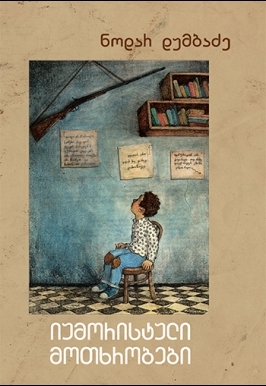
იუმორისტული მოთხრობები
შინაარსი: გაუმარჯოს გიგილოს; დაბადება; გიგილო საბავშვო ბაღში დადის; სკოლისაკენ ჰერი, ჰერი!; ვისია ეს ბიჭი?; მშვიდობით გიგილო!; პირველი საუბარი ღმერთთან; მეორე გასაუბრება ღმერთთან; მესამე, გაუთვალისწინებელი, მაგრამ გულახდილი საუბარი ღმერთთან და სხვ.
- GenresGeorgian
144 pages, Mass Market Paperback
Published January 1, 2008
About the author
Nodar Dumbadze
44 books258 followersNodar Dumbadze (July 14, 1928 – September 4, 1984) was a Georgian writer and one of the most popular authors in the late 20th-century Georgia.
Born in Tbilisi, he graduated from the Faculty of Law at Tbilisi State University in 1950. The same year, his first poems and humorous stories appeared in the Georgian press. He edited the satirical magazine Niangi from 1967 until 1972 when he became a secretary of the Union of Georgian Writers and a member of the presidium of the Union of Soviet Writers in 1972. Most of his fame came through his novels Me, Grandma, Iliko and Ilarioni (1960), I Can See the Sun (1962), A Sunny Night (1967), Don’t Be Afraid, Mother! (1971), The White Banners (1973), and The Law of Eternity (1978). His works are remarkable for simplicity and lyricism of the prose, humor, and melancholy coupled with optimism. He was awarded the Shota Rustaveli State Prize in 1975 and the Lenin Prize in 1980. Most of his major works have been dramatized and/or filmed. He died in Tbilisi and was buried there, at the Children’s Town "Mziuri" founded by him.
Born in Tbilisi, he graduated from the Faculty of Law at Tbilisi State University in 1950. The same year, his first poems and humorous stories appeared in the Georgian press. He edited the satirical magazine Niangi from 1967 until 1972 when he became a secretary of the Union of Georgian Writers and a member of the presidium of the Union of Soviet Writers in 1972. Most of his fame came through his novels Me, Grandma, Iliko and Ilarioni (1960), I Can See the Sun (1962), A Sunny Night (1967), Don’t Be Afraid, Mother! (1971), The White Banners (1973), and The Law of Eternity (1978). His works are remarkable for simplicity and lyricism of the prose, humor, and melancholy coupled with optimism. He was awarded the Shota Rustaveli State Prize in 1975 and the Lenin Prize in 1980. Most of his major works have been dramatized and/or filmed. He died in Tbilisi and was buried there, at the Children’s Town "Mziuri" founded by him.
Ratings & Reviews
Friends & Following
Create a free account to discover what your friends think of this book!
Community Reviews
Displaying 1 - 1 of 1 review
August 31, 2023
მარტო დასაწყისი და დასასრული მონეწონა,უფრო მეტს ველოდი🥹🤨
Displaying 1 - 1 of 1 review