

What do you think?

Great Movies #2
The Great Movies II
Continuing the pitch-perfect critiques begun in The Great Movies , Roger Ebert's The Great Movies II collects 100 additional essays, each one of them a gem of critical appreciation and an amalgam of love, analysis, and history that will send readers back to films with a fresh set of eyes and renewed enthusiasm—or perhaps to an avid first-time viewing. Neither a snob nor a shill, Ebert manages in these essays to combine a truly populist appreciation for today's most important form of popular art with a scholar's erudition and depth of knowledge and a sure aesthetic sense. Once again wonderfully enhanced by stills selected by Mary Corliss, former film curator at the Museum of Modern Art, The Great Movies II is a treasure trove for film lovers of all persuasions, an unrivaled guide for viewers, and a book to return to again and again.
Films featured in The Great Movies II
12 Angry Men · The Adventures of Robin Hood · Alien · Amadeus · Amarcord · Annie Hall · Au Hasard, Balthazar · The Bank Dick · Beat the Devil · Being There · The Big Heat · The Birth of a Nation · The Blue Kite · Bob le Flambeur · Breathless · The Bridge on the River Kwai · Bring Me the Head of Alfredo García · Buster Keaton · Children of Paradise · A Christmas Story · The Color Purple · The Conversation · Cries and Whispers · The Discreet Charm of the Bourgeoisie · Don’t Look Now · The Earrings of Madame de . . . · The Fall of the House of Usher · The Firemen’s Ball · Five Easy Pieces · Goldfinger · The Good, the Bad and the Ugly · Goodfellas · The Gospel According to Matthew · The Grapes of Wrath · Grave of the Fireflies · Great Expectations · House of Games · The Hustler · In Cold Blood · Jaws · Jules and Jim · Kieslowski’s Three Colors Trilogy · Kind Hearts and Coronets · King Kong · The Last Laugh · Laura · Leaving Las Vegas · Le Boucher · The Leopard · The Life and Death of Colonel Blimp · The Manchurian Candidate · The Man Who Laughs · Mean Streets · Mon Oncle · Moonstruck · The Music Room · My Dinner with Andre · My Neighbor Totoro · Nights of Cabiria · One Flew Over the Cuckoo’s Nest · Orpheus · Paris, Texas · Patton · Picnic at Hanging Rock · Planes, Trains and Automobiles · The Producers · Raiders of the Lost Ark · Raise the Red Lantern · Ran · Rashomon · Rear Window · Rififi · The Right Stuff · Romeo and Juliet · The Rules of the Game · Saturday Night Fever · Say Anything · Scarface · The Searchers · Shane · Snow White and the Seven Dwarfs · Solaris · Strangers on a Train · Stroszek · A Sunday in the Country · Sunrise · A Tale of Winter · The Thin Man · This Is Spinal Tap ·Tokyo Story · Touchez Pas au Grisbi · Touch of Evil · The Treasure of the Sierra Madre · Ugetsu · Umberto D · Unforgiven · Victim · Walkabout · West Side Story · Yankee Doodle Dandy
Films featured in The Great Movies II
12 Angry Men · The Adventures of Robin Hood · Alien · Amadeus · Amarcord · Annie Hall · Au Hasard, Balthazar · The Bank Dick · Beat the Devil · Being There · The Big Heat · The Birth of a Nation · The Blue Kite · Bob le Flambeur · Breathless · The Bridge on the River Kwai · Bring Me the Head of Alfredo García · Buster Keaton · Children of Paradise · A Christmas Story · The Color Purple · The Conversation · Cries and Whispers · The Discreet Charm of the Bourgeoisie · Don’t Look Now · The Earrings of Madame de . . . · The Fall of the House of Usher · The Firemen’s Ball · Five Easy Pieces · Goldfinger · The Good, the Bad and the Ugly · Goodfellas · The Gospel According to Matthew · The Grapes of Wrath · Grave of the Fireflies · Great Expectations · House of Games · The Hustler · In Cold Blood · Jaws · Jules and Jim · Kieslowski’s Three Colors Trilogy · Kind Hearts and Coronets · King Kong · The Last Laugh · Laura · Leaving Las Vegas · Le Boucher · The Leopard · The Life and Death of Colonel Blimp · The Manchurian Candidate · The Man Who Laughs · Mean Streets · Mon Oncle · Moonstruck · The Music Room · My Dinner with Andre · My Neighbor Totoro · Nights of Cabiria · One Flew Over the Cuckoo’s Nest · Orpheus · Paris, Texas · Patton · Picnic at Hanging Rock · Planes, Trains and Automobiles · The Producers · Raiders of the Lost Ark · Raise the Red Lantern · Ran · Rashomon · Rear Window · Rififi · The Right Stuff · Romeo and Juliet · The Rules of the Game · Saturday Night Fever · Say Anything · Scarface · The Searchers · Shane · Snow White and the Seven Dwarfs · Solaris · Strangers on a Train · Stroszek · A Sunday in the Country · Sunrise · A Tale of Winter · The Thin Man · This Is Spinal Tap ·Tokyo Story · Touchez Pas au Grisbi · Touch of Evil · The Treasure of the Sierra Madre · Ugetsu · Umberto D · Unforgiven · Victim · Walkabout · West Side Story · Yankee Doodle Dandy
520 pages, Paperback
First published February 1, 2005
About the author
Roger Ebert
92 books414 followersRoger Joseph Ebert was a Pulitzer Prize-winning American film critic and screenwriter.
He was known for his weekly review column (appearing in the Chicago Sun-Times since 1967, and later online) and for the television program Siskel & Ebert at the Movies, which he co-hosted for 23 years with Gene Siskel. After Siskel's death in 1999, he auditioned several potential replacements, ultimately choosing Richard Roeper to fill the open chair. The program was retitled Ebert & Roeper and the Movies in 2000.
Ebert's movie reviews were syndicated to more than 200 newspapers in the United States and abroad. He wrote more than 15 books, including his annual movie yearbook. In 1975, Ebert became the first film critic to win a Pulitzer Prize for Criticism. His television programs have also been widely syndicated, and have been nominated for Emmy awards. In February 1995, a section of Chicago's Erie Street near the CBS Studios was given the honorary name Siskel & Ebert Way. Ebert was awarded a star on the Hollywood Walk of Fame in June 2005, the first professional film critic to receive one. Roger Ebert was named as the most influential pundit in America by Forbes Magazine, beating the likes of Bill Maher, Lou Dobbs, and Bill O'Reilly.[2] He has honorary degrees from the University of Colorado, the American Film Institute, and the School of the Art Institute of Chicago.
From 1994 until his death in 2013, he wrote a Great Movies series of individual reviews of what he deemed to be the most important films of all time. He also hosted the annual Roger Ebert's Overlooked Film Festival in Champaign, Illinois from 1999 until his death.
He was known for his weekly review column (appearing in the Chicago Sun-Times since 1967, and later online) and for the television program Siskel & Ebert at the Movies, which he co-hosted for 23 years with Gene Siskel. After Siskel's death in 1999, he auditioned several potential replacements, ultimately choosing Richard Roeper to fill the open chair. The program was retitled Ebert & Roeper and the Movies in 2000.
Ebert's movie reviews were syndicated to more than 200 newspapers in the United States and abroad. He wrote more than 15 books, including his annual movie yearbook. In 1975, Ebert became the first film critic to win a Pulitzer Prize for Criticism. His television programs have also been widely syndicated, and have been nominated for Emmy awards. In February 1995, a section of Chicago's Erie Street near the CBS Studios was given the honorary name Siskel & Ebert Way. Ebert was awarded a star on the Hollywood Walk of Fame in June 2005, the first professional film critic to receive one. Roger Ebert was named as the most influential pundit in America by Forbes Magazine, beating the likes of Bill Maher, Lou Dobbs, and Bill O'Reilly.[2] He has honorary degrees from the University of Colorado, the American Film Institute, and the School of the Art Institute of Chicago.
From 1994 until his death in 2013, he wrote a Great Movies series of individual reviews of what he deemed to be the most important films of all time. He also hosted the annual Roger Ebert's Overlooked Film Festival in Champaign, Illinois from 1999 until his death.
Ratings & Reviews
Friends & Following
Create a free account to discover what your friends think of this book!
Community Reviews
Displaying 1 - 30 of 62 reviews

December 6, 2022
Movie critics give me a pain but the late Roger Ebert is an exception. I love his opinions which are straightforward and don't treat the reader like a complete dope. I miss him.
In this, his second book on his films which he considers great, he covers 100 films of all eras from silents through modern times and includes foreign films as well. I have seen many of the films he critiques but also got some tips from him on others, although they may be hard to find.
Many you would expect to find on a "great movie" list.......King Kong, The Manchurian Candidate, Birth of a Nation, Sunrise, Jules et Jim and many more. Some choices surprised me even though they are well-known, enjoyable, and were popular.......;.Planes, Trains, and Automobiles, House of Games, Saturday Night Fever, Yankee Doodle Dandy. I don't necessarily disagree with his surprising choices (who am I to disagree with Roger Ebert!!) and his narrative on each film explains why they made the list.
If you like film, this is the book for you. Highly recommended.
In this, his second book on his films which he considers great, he covers 100 films of all eras from silents through modern times and includes foreign films as well. I have seen many of the films he critiques but also got some tips from him on others, although they may be hard to find.
Many you would expect to find on a "great movie" list.......King Kong, The Manchurian Candidate, Birth of a Nation, Sunrise, Jules et Jim and many more. Some choices surprised me even though they are well-known, enjoyable, and were popular.......;.Planes, Trains, and Automobiles, House of Games, Saturday Night Fever, Yankee Doodle Dandy. I don't necessarily disagree with his surprising choices (who am I to disagree with Roger Ebert!!) and his narrative on each film explains why they made the list.
If you like film, this is the book for you. Highly recommended.

December 29, 2025
More quotable quotes from Roger. Naturally I myself don’t think some of these films are actually great (Au Hasard Balthasar – groan; Being There – yawnnn; Leaving Las Vegas – what were you thinking) but mainly I can go along with them – only eight of this batch of 100 are not also included in the well known 1001 Films You Must See Before Bedtime. So there seems to be a consensus.
TOP HAT 1935
None of the sex in this movie seems to require body parts.
This is the Idiot Plot, which could be cleared up at any moment by one line of sensible dialogue, but there are times when nothing but an Idiot Plot will do.
At a point when many dancers would be gasping for breath, Astaire and Rogers are smiling easily, heedlessly. To watch them is to see hard work elevated to effortless joy.
THE GRAPES OF WRATH 1940
It’s a left-wing parable directed by a right-wing American director about how a sharecropper’s son is converted into a union organiser.
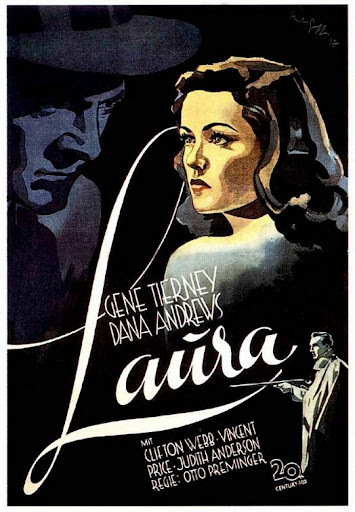
LAURA 1944
The movie basically consists of well-dressed rich people standing in luxury apartments and talking to a cop.
THE DEVILS 1971
I didn’t want to be the only member of my generation unaware of the terrible events of 1634.
We are filled with indignation as we bear witness to the violation of the helpless nuns – it is all the more terrible because, as Russell fearlessly reveals, all the nuns, without exception, were young and stacked.
DON’T LOOK NOW 1973
Roeg doesn’t always enter his stories at the beginning and leave at the end but rummages around in them.
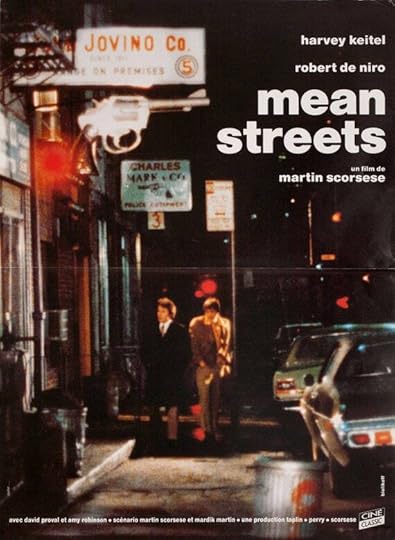
MEAN STREETS 1973
If Coppola’s Godfather fixed an image of the Mafia as a shadow government Mean Streets inspired the other main line in modern gangster movies, the film of everyday reality. The Godfather was about careers, Mean Streets is about jobs.
ANNIE HALL 1977
In winning the best picture Oscar in 1978 it edged out Star Wars, an outcome unthinkable today.
TOP HAT 1935
None of the sex in this movie seems to require body parts.
This is the Idiot Plot, which could be cleared up at any moment by one line of sensible dialogue, but there are times when nothing but an Idiot Plot will do.
At a point when many dancers would be gasping for breath, Astaire and Rogers are smiling easily, heedlessly. To watch them is to see hard work elevated to effortless joy.
THE GRAPES OF WRATH 1940
It’s a left-wing parable directed by a right-wing American director about how a sharecropper’s son is converted into a union organiser.
LAURA 1944
The movie basically consists of well-dressed rich people standing in luxury apartments and talking to a cop.
THE DEVILS 1971
I didn’t want to be the only member of my generation unaware of the terrible events of 1634.
We are filled with indignation as we bear witness to the violation of the helpless nuns – it is all the more terrible because, as Russell fearlessly reveals, all the nuns, without exception, were young and stacked.
DON’T LOOK NOW 1973
Roeg doesn’t always enter his stories at the beginning and leave at the end but rummages around in them.
MEAN STREETS 1973
If Coppola’s Godfather fixed an image of the Mafia as a shadow government Mean Streets inspired the other main line in modern gangster movies, the film of everyday reality. The Godfather was about careers, Mean Streets is about jobs.
ANNIE HALL 1977
In winning the best picture Oscar in 1978 it edged out Star Wars, an outcome unthinkable today.

April 7, 2020
According to Goodreads, it took me almost a year to get through this book. This doesn't mean that it's boring, it just means that it's the sort of book that you can leave on your bedside and dip into now and again. Ebert was one of our best movie critics and this collection of essays is an enjoyable love letter to the movies.
I believe Ebert wrote four of these Great Movies books. In each one he picks out 100 great movies and explains why they're great. He makes no claim that they are THE 100 GREATEST FILMS OF ALL TIME (those sorts of lists are ultimately pretty silly, though they can be fun to argue about), they're simply great films. His choices range from Raiders of the Lost Ark to Ugetsu, as Ebert doesn't shy away from either huge blockbusters or movies that are little known in the United States. The result is a book that will give most readers a chance to remember their favorites while also getting some ideas about which classic, foreign, or independent films they might want to see.
There are going to be times when you won't agree with some of Ebert's picks. I think, for example, that the original film version of The Producers is actually pretty tough to watch these days. The hilarious “Springtime for Hitler” number and the handful of funny bits that work are weighed down all the gags that just don’t land. Hippy Hitler is one of the most groan-inducing characters in movie history.
Other times he explained why I love certain films. For example, the 1944 film noir, Laura. This movie is utterly ridiculous, and yet I've seen it three or four times and I love it. Ebert, while acknowledging the film's silliness, points out that this absurdity is one of Laura's charms, and that the excellent performances of the secondary scene-chewing actors really bring the whole thing home.
I came away from this book with a greater understanding of the films I love. I enjoyed Ebert's insights into films like The Bank Dick, Bob le Flambeur, The Red, White and Blue trilogy, A Christmas Story, and Mon Oncle (if you haven't seen Mon Oncle yet, stop reading this and go do it right now). Ebert shows why movies are worth seeing and talking about afterwards.
Ebert writes about the movies with intelligence and wit, and if you love all kinds of movies, as I do, you'll like this book.
I believe Ebert wrote four of these Great Movies books. In each one he picks out 100 great movies and explains why they're great. He makes no claim that they are THE 100 GREATEST FILMS OF ALL TIME (those sorts of lists are ultimately pretty silly, though they can be fun to argue about), they're simply great films. His choices range from Raiders of the Lost Ark to Ugetsu, as Ebert doesn't shy away from either huge blockbusters or movies that are little known in the United States. The result is a book that will give most readers a chance to remember their favorites while also getting some ideas about which classic, foreign, or independent films they might want to see.
There are going to be times when you won't agree with some of Ebert's picks. I think, for example, that the original film version of The Producers is actually pretty tough to watch these days. The hilarious “Springtime for Hitler” number and the handful of funny bits that work are weighed down all the gags that just don’t land. Hippy Hitler is one of the most groan-inducing characters in movie history.
Other times he explained why I love certain films. For example, the 1944 film noir, Laura. This movie is utterly ridiculous, and yet I've seen it three or four times and I love it. Ebert, while acknowledging the film's silliness, points out that this absurdity is one of Laura's charms, and that the excellent performances of the secondary scene-chewing actors really bring the whole thing home.
I came away from this book with a greater understanding of the films I love. I enjoyed Ebert's insights into films like The Bank Dick, Bob le Flambeur, The Red, White and Blue trilogy, A Christmas Story, and Mon Oncle (if you haven't seen Mon Oncle yet, stop reading this and go do it right now). Ebert shows why movies are worth seeing and talking about afterwards.
Ebert writes about the movies with intelligence and wit, and if you love all kinds of movies, as I do, you'll like this book.
September 7, 2018
This is the second in what eventually become four volumes in Roger Ebert's Great Movies series. There are 100 entries here. One of them, listed as Kieslowski's Three Colors Trilogy, is actually a consideration of three separate films. One, listed as Buster Keaton, should include every film Keaton ever made, although this entry only discusses a few of them. This is foolish; it makes no more sense than having one entry for all the films of, say, John Wayne, Meryl Streep, or Stanley Kubrick.
Ebert makes it clear in each of these books that the films discussed are not his choices of the greatest movies ever made. They are films that he thinks are among the many great movies that have been made.
In the introduction to The Great Films II, Elbert states:
One of my delights in these books, on the other hand, has been to include movies not often cited as “great”—some because they are dismissed as merely popular (Jaws, Raiders of the Lost Ark), some because they are frankly entertainments (Planes, Trains and Automobiles, Rififi), some because they are too obscure (The Fall of the House of Usher, Stroszek). We go to different movies for different reasons, and greatness comes in many forms.
I have seen about two-thirds of the movies discussed in this book. Unfortunately, for quite a few of those I have seen, my memories have grown somewhat vague.
However, many of them remain in recollection as genuinely wonderful. Those include Annie Hall, Children of Paradise, The Grapes of Wrath, Jules and Jim, The Last Laugh, Rashomon, Sunrise, and The Treasure of the Sierra Madre. Others I like very much but wouldn't consider "great." Some I simply don't like (such as The Producers, which I realize is much beloved.)
Some comments about Ebert's discussions of specific films:
The Adventures of Robin Hood
The movie involved some milestones: It was the third Warner Bros. film shot in the three-step Technicolor process, the fifth of twelve times Flynn would be directed by Michael Curtis, and the third of nine films that Errol Flynn and Olivia de Havilland would make together.
Those are milestones? "The fifth of twelve," "the third of nine" might indicate a milestone if they were referring to, perhaps, the fifth of the twelve labors of Hercules, but the fifth time that Errol Flynn worked with a particular director? Sorry, by no realistic standard would that be a milestone.
Being There
In the much-discussed final sequence of Being There, Chance casually walks onto the surface of a lake. We can see that he is really walking on the water, because he leans over curiously and sticks his umbrella down into it. When I taught the film, I had endless discussions with my students over this scene. Many insisted on explaining it: He is walking on a hidden sandbar, the water is only half an inch deep, there is a submerged pier, and so on. "Not valid!" I thundered. "The movie presents us with an image, and while you may discuss the meaning of the image, it is not permitted to devise explanations for it. Since Ashby doesn't show us a pier, there is no pier - a movie is exactly what it shows us, and nothing more."
Is this part of a Gospel with which I am not familiar? "'Not valid!' I thundered."
"How pompous!" replied every member of the class.
The Firemen's Ball
When, in a free society, the press is criticized for negativity, that almost always means it has dared to question the policies of the party in power. " Patriotism," Samuel Johnson said, "is the last refuge of a scoundrel." He could have been speaking of those who use it to shield themselves from dissent.
Yes, exactly!
I agree with Ebert that the photo stills that accompany each entry were very well chosen by Mary Corliss of the Museum of Modern Art; however, they could have been made more effective with captions.
And now, quoting myself from a post about another Ebert book:
But whether I agree with Ebert or not, his reviews and commentary are always very much worth reading. Ebert clearly loved movies and the enormous possibilities they held and that shows in all his film writing.
Ebert makes it clear in each of these books that the films discussed are not his choices of the greatest movies ever made. They are films that he thinks are among the many great movies that have been made.
In the introduction to The Great Films II, Elbert states:
One of my delights in these books, on the other hand, has been to include movies not often cited as “great”—some because they are dismissed as merely popular (Jaws, Raiders of the Lost Ark), some because they are frankly entertainments (Planes, Trains and Automobiles, Rififi), some because they are too obscure (The Fall of the House of Usher, Stroszek). We go to different movies for different reasons, and greatness comes in many forms.
I have seen about two-thirds of the movies discussed in this book. Unfortunately, for quite a few of those I have seen, my memories have grown somewhat vague.
However, many of them remain in recollection as genuinely wonderful. Those include Annie Hall, Children of Paradise, The Grapes of Wrath, Jules and Jim, The Last Laugh, Rashomon, Sunrise, and The Treasure of the Sierra Madre. Others I like very much but wouldn't consider "great." Some I simply don't like (such as The Producers, which I realize is much beloved.)
Some comments about Ebert's discussions of specific films:
The Adventures of Robin Hood
The movie involved some milestones: It was the third Warner Bros. film shot in the three-step Technicolor process, the fifth of twelve times Flynn would be directed by Michael Curtis, and the third of nine films that Errol Flynn and Olivia de Havilland would make together.
Those are milestones? "The fifth of twelve," "the third of nine" might indicate a milestone if they were referring to, perhaps, the fifth of the twelve labors of Hercules, but the fifth time that Errol Flynn worked with a particular director? Sorry, by no realistic standard would that be a milestone.
Being There
In the much-discussed final sequence of Being There, Chance casually walks onto the surface of a lake. We can see that he is really walking on the water, because he leans over curiously and sticks his umbrella down into it. When I taught the film, I had endless discussions with my students over this scene. Many insisted on explaining it: He is walking on a hidden sandbar, the water is only half an inch deep, there is a submerged pier, and so on. "Not valid!" I thundered. "The movie presents us with an image, and while you may discuss the meaning of the image, it is not permitted to devise explanations for it. Since Ashby doesn't show us a pier, there is no pier - a movie is exactly what it shows us, and nothing more."
Is this part of a Gospel with which I am not familiar? "'Not valid!' I thundered."
"How pompous!" replied every member of the class.
The Firemen's Ball
When, in a free society, the press is criticized for negativity, that almost always means it has dared to question the policies of the party in power. " Patriotism," Samuel Johnson said, "is the last refuge of a scoundrel." He could have been speaking of those who use it to shield themselves from dissent.
Yes, exactly!
I agree with Ebert that the photo stills that accompany each entry were very well chosen by Mary Corliss of the Museum of Modern Art; however, they could have been made more effective with captions.
And now, quoting myself from a post about another Ebert book:
But whether I agree with Ebert or not, his reviews and commentary are always very much worth reading. Ebert clearly loved movies and the enormous possibilities they held and that shows in all his film writing.

August 13, 2019
It's really delightful to read Ebert on the movies you already know, since he measures his responses and his enthusiasm quite gracefully. Not a clunker in the bunch

February 12, 2026
This is a great way to learn at least a cursory amount about a bunch of seminal film classics. I read the first installment a couple of years ago and was struck by how clearly Ebert elucidates his thoughts on movies.
He writes in a highly readable style. He'll typically start a review by describing the basic premise of the movie, sometimes after asking a thematically relevant question. Depending on the movie at hand, he'll examine, to varying degrees, the elements that made it special, like the direction, the cinematography, the acting, etc. He also likes to provide some historical tidbits about a few key individuals in the cast and/or crew. In the most interesting cases, these miscellaneous insights actually connect back to the film itself in some way. (For instance, apparently Kenji Mizoguchi, the director of Ugetsu, witnessed his sister get sold to a geisha house when he was young, after his father gambled away the family's fortune on a reckless business venture, all of which connects pretty clearly to what happens in the film.) Even when they amount to little more than trivia, I always found them interesting.
If you're someone who cares deeply about spoilers, be warned that Ebert does discuss the endings to a lot of these movies.
Films discussed in this one include Rashomon, Planes, Trains, and Automobiles, Scarface, and many more. I listened to the audiobook version narrated by Jonathan Todd Ross, and I found it pretty listenable.
He writes in a highly readable style. He'll typically start a review by describing the basic premise of the movie, sometimes after asking a thematically relevant question. Depending on the movie at hand, he'll examine, to varying degrees, the elements that made it special, like the direction, the cinematography, the acting, etc. He also likes to provide some historical tidbits about a few key individuals in the cast and/or crew. In the most interesting cases, these miscellaneous insights actually connect back to the film itself in some way. (For instance, apparently Kenji Mizoguchi, the director of Ugetsu, witnessed his sister get sold to a geisha house when he was young, after his father gambled away the family's fortune on a reckless business venture, all of which connects pretty clearly to what happens in the film.) Even when they amount to little more than trivia, I always found them interesting.
If you're someone who cares deeply about spoilers, be warned that Ebert does discuss the endings to a lot of these movies.
Films discussed in this one include Rashomon, Planes, Trains, and Automobiles, Scarface, and many more. I listened to the audiobook version narrated by Jonathan Todd Ross, and I found it pretty listenable.

April 3, 2023
Still the best companion to the world of Great Movies.

July 9, 2017
As Roger Ebert is quick to point out, this is NOT a book of the second 100 Greatest Movies based on a ranking or rating system. In fact, he holds many of the titles contained within this collection with equal esteem as those mentioned in the first book. (The only ranking he would admit to doing was for the "Sight & Sound" polling of film critics ... and he wasn't happy about it.)
Instead, he used a definition that a Great Movie was one that would cause YOU to feel devastated if you knew that you would never be able to see it again. So, with the exception of two curious choices, these were movies that had profoundly moved him at some point in his life. This is why we can give certain films high ratings even when we know that they are not artistic masterpieces. (You didn't ask, but four of mine are PHANTOM OF THE PARADISE, SON OF FRANKENSTEIN, the original PLANET OF THE APES, and the original THE DAY THE EARTH STOOD STILL.)
In the first book, I was frankly surprised by some of the titles he mentioned. Once more, he listed some that I would never include, but that's okay. He would have missed them. Agree with him or not, he had a keen perspective.
For instance, in the last book, he mentioned that THE WILD BUNCH was his favorite Western. I went back to my Netflix rating of thirteen-years before, and I had given it a 3 out of 5. So, I rented it again. This time, I gave it 5 out of 5. There may have been a Director's Cut released in that time ... I don't remember. But, the film definitely spoke to the person I am now. I don't know that I'd call it my favorite Western (I'm an admirer of TOMBSTONE and DANCES WITH WOLVES), but I don't know that I wouldn't say it was my favorite, either.
The two curious choices:
WEST SIDE STORY - He sees it is a flawed movie with tremendous dancing. I didn't sense from his comments that he wanted to see it again.
SATURDAY NIGHT FEVER - I love that he included this one ... not because I like it (I don't) ... because it was not a favorite of his. It was a favorite of his television partner, Gene Siskel. It was intriguing to read his process of analyzing why this held such a strong appeal for Siskel. His determination is that the film probably came along at just the perfect moment in Siskel's life when he was most ready to accept it. (Siskel even bought at auction the disco outfit worn by John Travolta in the movie.)
That's what the magic of the movies is all about. And for a brief while, reading Ebert's opinions of why a film is Great, I was transported back to the theater with popcorn in hand and a look of appreciative awe on my face. (I know I had this while reading about JAWS.)
Instead, he used a definition that a Great Movie was one that would cause YOU to feel devastated if you knew that you would never be able to see it again. So, with the exception of two curious choices, these were movies that had profoundly moved him at some point in his life. This is why we can give certain films high ratings even when we know that they are not artistic masterpieces. (You didn't ask, but four of mine are PHANTOM OF THE PARADISE, SON OF FRANKENSTEIN, the original PLANET OF THE APES, and the original THE DAY THE EARTH STOOD STILL.)
In the first book, I was frankly surprised by some of the titles he mentioned. Once more, he listed some that I would never include, but that's okay. He would have missed them. Agree with him or not, he had a keen perspective.
For instance, in the last book, he mentioned that THE WILD BUNCH was his favorite Western. I went back to my Netflix rating of thirteen-years before, and I had given it a 3 out of 5. So, I rented it again. This time, I gave it 5 out of 5. There may have been a Director's Cut released in that time ... I don't remember. But, the film definitely spoke to the person I am now. I don't know that I'd call it my favorite Western (I'm an admirer of TOMBSTONE and DANCES WITH WOLVES), but I don't know that I wouldn't say it was my favorite, either.
The two curious choices:
WEST SIDE STORY - He sees it is a flawed movie with tremendous dancing. I didn't sense from his comments that he wanted to see it again.
SATURDAY NIGHT FEVER - I love that he included this one ... not because I like it (I don't) ... because it was not a favorite of his. It was a favorite of his television partner, Gene Siskel. It was intriguing to read his process of analyzing why this held such a strong appeal for Siskel. His determination is that the film probably came along at just the perfect moment in Siskel's life when he was most ready to accept it. (Siskel even bought at auction the disco outfit worn by John Travolta in the movie.)
That's what the magic of the movies is all about. And for a brief while, reading Ebert's opinions of why a film is Great, I was transported back to the theater with popcorn in hand and a look of appreciative awe on my face. (I know I had this while reading about JAWS.)
August 10, 2017
There are many aspects to appreciate about Roger Ebert's writing. There are two that make me a fan even though I disagreed with him many times: 1) he was extremely knowledgeable about the history of film, and movies in general 2) he had what I can only describe as "joy" in his work. It was contagious. I know from writing movie reviews myself that it isn't as simple as, "I like this, I don't like that." He knew about the tech side of movies as well: what directors actually do, what shots are used for what purpose, how to edit movies for better or worse, and was able to frame them showing how they related to pop culture and the tenor of the times. That is quite a bit different, and takes much more time and thought. Of course, it's really opinion, and slanted, but he always made a case for what he believed. We seem to be losing that sort of professionalism.

November 2, 2022
It gets five stars because one of the essays was about Spinal Tap, and that alone was worth the price of admission. I also think of the three books I’ve read, it had my favorite overall collection of movies, though there’s only 1 book left and no Empire Strikes Back, princess Bride or Big Troubld in Little China yet, so I’m concerned.

December 8, 2018
I believe that Roger Ebert wrote a total of four volumes of his “Great Movies” series. I’ve only read the first two. My initial impression after completing the second volume is that the movies included here are nowhere near the caliber of the films featured in his first volume. It seems as though he’s really scraping. How he managed to put out two more volumes after this is a bit shocking to me. I’m not, by any means, an expert in films, but his choices to include such films as “Say Anything”, “Being There”, and “Planes, Trains, and Automobiles” seem odd inclusions for such a retrospective. I enjoyed all three of those movies. But “Great”???
I should also point out that out of the 100 movies chosen for this edition, I’ve seen about 15 of them. To be fair, I’m not really a lover of the cinema, but I’m guessing the average layman that enjoys going to the movies probably hasn’t seen most of these movies either. Ebert includes a lot of old films, a lot of foreign films, a lot of out-of-print films, and a lot of “art” films. By “art” films, I refer to movies that critics seem to love, but that tend to go over the heads of 99% of your average movie goer.
As much as I dislike visual arts though (I simply don’t have the patience to sit still and watch a screen for 90 minutes straight, let alone twice that long), I’ve always enjoyed reading Roger Ebert’s articles about movies. It sounds a bit demeaning to say that the man “watched movies for a living”, but that moniker shouldn’t be viewed negatively when applied to someone such as Roger Ebert. Since the man watched virtually every movie in existence during his lifetime (and many of the “great” movies, multiple times), he had the ability to study film as a work of art, and could dissect and observe things that the average movie goer could not. Whether or not you agreed with him, it was always very interesting to see his observations and reflections about a particular film.
Which is essentially the point of these books. He takes movies that he thinks are “great”, and within the essays, shares his thoughts and reasons as to why the particular movie was, in fact, great. I would imagine, for example, that the average millennial would get quickly turned off by any movie pre-1970, but Ebert, being an astute student, can share exactly why movies as old as 100 years were, in fact, revolutionary for their time. Consider for example “Snow White and the Seven Dwarfs”. Most adults and children of today that were raised on Pixar films would easily fall asleep after enduring such a film after 30 minutes. But when it was released in 1934 as the first ever animated full-length feature, there were elements that were so breathtaking and original, that it’s easy to see that we may never could have evolved to films such as “Toy Story” or “Finding Nemo” without such a blueprint.
I also confess that after reading several of these essays, I was tempted to find and watch the films since Ebert does such a good job piquing your interest (sadly, most are unavailable on streaming services such as Netflix, so I was unable to do so). I would consider this book by Ebert a “must” for serious lovers of film, but I also imagine the casual audience can find much to enjoy as well.
I should also point out that out of the 100 movies chosen for this edition, I’ve seen about 15 of them. To be fair, I’m not really a lover of the cinema, but I’m guessing the average layman that enjoys going to the movies probably hasn’t seen most of these movies either. Ebert includes a lot of old films, a lot of foreign films, a lot of out-of-print films, and a lot of “art” films. By “art” films, I refer to movies that critics seem to love, but that tend to go over the heads of 99% of your average movie goer.
As much as I dislike visual arts though (I simply don’t have the patience to sit still and watch a screen for 90 minutes straight, let alone twice that long), I’ve always enjoyed reading Roger Ebert’s articles about movies. It sounds a bit demeaning to say that the man “watched movies for a living”, but that moniker shouldn’t be viewed negatively when applied to someone such as Roger Ebert. Since the man watched virtually every movie in existence during his lifetime (and many of the “great” movies, multiple times), he had the ability to study film as a work of art, and could dissect and observe things that the average movie goer could not. Whether or not you agreed with him, it was always very interesting to see his observations and reflections about a particular film.
Which is essentially the point of these books. He takes movies that he thinks are “great”, and within the essays, shares his thoughts and reasons as to why the particular movie was, in fact, great. I would imagine, for example, that the average millennial would get quickly turned off by any movie pre-1970, but Ebert, being an astute student, can share exactly why movies as old as 100 years were, in fact, revolutionary for their time. Consider for example “Snow White and the Seven Dwarfs”. Most adults and children of today that were raised on Pixar films would easily fall asleep after enduring such a film after 30 minutes. But when it was released in 1934 as the first ever animated full-length feature, there were elements that were so breathtaking and original, that it’s easy to see that we may never could have evolved to films such as “Toy Story” or “Finding Nemo” without such a blueprint.
I also confess that after reading several of these essays, I was tempted to find and watch the films since Ebert does such a good job piquing your interest (sadly, most are unavailable on streaming services such as Netflix, so I was unable to do so). I would consider this book by Ebert a “must” for serious lovers of film, but I also imagine the casual audience can find much to enjoy as well.

October 12, 2013
Just as good at the first Great Movies book, this one continued filling me in on the movies I missed ... and enjoying again the movies that both Ebert and I appreciate as great.

January 6, 2016
This volume has more foreign and less known films but like the original volume, the summaries and descriptions make you want to run out and rent the movies ASAP.

August 23, 2020
"[Kieślowski] is one of the filmmakers I would turn to consolation if I learned I was dying, or to laugh with on finding I would live after all."
I typed the epigraph with a feeling of deep sadness. Roger Ebert, to me the best film critic ever, died in 2017. I do hope he looked to Kieślowski for solace in his most difficult moments.
Roger Ebert's The Great Movies II is a collection of 100 reviews of movies, which made a very strong impression on the critic. Few months ago I reviewed here the third set and in another few months I will review the original volume. As I explained in my review of The Great Movies III instead of reviewing the reviews, I will quote a few fragments of Ebert's analysis of four films out of the 100, which made the strongest impression on me, plus two "honorable mentions." Very few people can match the outstanding literary quality of Ebert's writings.
Let's begin with one of my most favorite films ever, Coppola's The Conversation, ostensibly a thriller, and a great one, but really a marvelous psychological drama, full of wisdom about human life. Ebert writes:
My first Honorable Mention goes to Nicolas Roeg's Don't Look Now, a classy horror/thriller, which transcends its genre in the same way as Let the Right One In, a vampire movie made 30 years later transcends the vampire genre. Ebert writes:
I typed the epigraph with a feeling of deep sadness. Roger Ebert, to me the best film critic ever, died in 2017. I do hope he looked to Kieślowski for solace in his most difficult moments.
Roger Ebert's The Great Movies II is a collection of 100 reviews of movies, which made a very strong impression on the critic. Few months ago I reviewed here the third set and in another few months I will review the original volume. As I explained in my review of The Great Movies III instead of reviewing the reviews, I will quote a few fragments of Ebert's analysis of four films out of the 100, which made the strongest impression on me, plus two "honorable mentions." Very few people can match the outstanding literary quality of Ebert's writings.
Let's begin with one of my most favorite films ever, Coppola's The Conversation, ostensibly a thriller, and a great one, but really a marvelous psychological drama, full of wisdom about human life. Ebert writes:
"The Conversation comes from another time and place than today's thrillers, which are so often simpleminded."Then, for me, comes Kieślowski's Three Colors Trilogy, where
"Blue is the antitragedy, White is the anticomedy, and Red is the antiromance. All three films hook us with immediate narrative interest. They are metaphysical through example, not theory [...]"Red is absolutely stunning in its depth of perception of randomness of human life. Blue, beautifully filmed, is painfully sad yet makes it clear that life is worthwhile at least to see films like that. I don't particularly like White, which I find not metaphysical enough and too topical in its plot. Mr. Ebert's review of Trilogy is the best film review I have ever read. Written in wonderful, evocative prose it virtually bursts with wisdom:
"On another timeline, in a parallel universe, the judge and Valentine might have themselves fallen in love. They missed being the same age by only forty years or so."Now, Luis Buñuel's The Discreet Charm of the Bourgeoisie. Absolutely unforgettable film, even if based on rather absurd premise and surrealistic plot about people who
"constantly arrive for dinner, and sometimes even sit down for it, but are never able to eat."I love how Ebert summarizes Bunuel's art:
"[...] the more I look at his films the more wisdom and acceptance I find. He sees that we are hypocrites, admits to being one himself, and believes we were probably made that way."My fourth choice is Fellini's Amarcord, as Mr. Ebert writes, "a movie made entirely out of nostalgia and joy." A movie built of "memories of memories, transformed by affection and fantasy and much improved in the telling."
My first Honorable Mention goes to Nicolas Roeg's Don't Look Now, a classy horror/thriller, which transcends its genre in the same way as Let the Right One In, a vampire movie made 30 years later transcends the vampire genre. Ebert writes:
"I've been through the film with students a shot at a time, paying close attention to the use of red as a marker in the visual scheme. It is a masterpiece of physical filmmaking, in the way photography evokes mood and the editing underlines it with uncertainty."And finally, one of the most haunting and enigmatic films, also by Nicolas Roeg, Walkabout, about failure of human communication. Mr. Ebert writes:
"The film is deeply pessimistic. [...] all of us are captives of environment and programming: [...] there is a wide range of experiment and experience that remains forever invisible to us, because it falls in a spectrum we cannot see."Another great volume of reviews! Four stars.

November 13, 2019
As I mentioned in a previous review, Roger Ebert was a great critic who really loved film. While he was alive he wrote a number of essays for the newspaper he worked for that focused on movies he thought had achieved a level of greatness that transcended our cultural norms.
With this series of movies, I have watched less of them than before, or so it seems. I have heard of most of them, especially movies like 12 Angry Men and Alien, but I have not watched those movies. Of this list I have watched Goldfinger; The Good, The Bad, and The Ugly; Grave of the Fireflies; One Flew Over The Cuckoo’s Nest; Raiders of the Lost Ark; Rear Window; Romeo and Juliet; Snow White and The Seven Dwarfs; and West Side Story. So I have only watched nine out of one hundred of these movies, for another grade of F.
Some of the movies are already cultural touchstones. This makes my neglect to watch them quite surprising in some cases. I mentioned 12 Angry Men, but there are many others that I have heard of but never watched. Amadeus is another one. One of the surprising ones listed is The Birth of a Nation, which I have heard of only because of its racial overtones. However, even when it was new, it was considered racist, and Ebert says that it should not be forgotten due to the fact that it does contain a kernel of truth to it. Racism is a thing that exists. To deny it is to grant more credence to it. Like Dumbledore says in the first Harry Potter book, to leave something unnamed is to grant fear to the thing itself.
To me, another huge surprise that I have not seen is My Neighbor Totoro. Thankfully I own a copy of it and can watch it if I so choose. This book is quite impressive in scope and made me remember Grave of the Fireflies, which is honestly one of the saddest movies I have ever watched. Just reading the review brought tears to my eyes.
There are other movies that I heard of such as Planes, Trains, and Automobiles that I have heard good things about. In any case, this is a good opening to watching movies. Whether you are a fan of movies or not you will probably find something to enjoy in this volume. Ebert writes quite well. He really digs into the characters and pacing of movies. This is another book that would be a great addition to the shelf of someone who loves movies.
With this series of movies, I have watched less of them than before, or so it seems. I have heard of most of them, especially movies like 12 Angry Men and Alien, but I have not watched those movies. Of this list I have watched Goldfinger; The Good, The Bad, and The Ugly; Grave of the Fireflies; One Flew Over The Cuckoo’s Nest; Raiders of the Lost Ark; Rear Window; Romeo and Juliet; Snow White and The Seven Dwarfs; and West Side Story. So I have only watched nine out of one hundred of these movies, for another grade of F.
Some of the movies are already cultural touchstones. This makes my neglect to watch them quite surprising in some cases. I mentioned 12 Angry Men, but there are many others that I have heard of but never watched. Amadeus is another one. One of the surprising ones listed is The Birth of a Nation, which I have heard of only because of its racial overtones. However, even when it was new, it was considered racist, and Ebert says that it should not be forgotten due to the fact that it does contain a kernel of truth to it. Racism is a thing that exists. To deny it is to grant more credence to it. Like Dumbledore says in the first Harry Potter book, to leave something unnamed is to grant fear to the thing itself.
To me, another huge surprise that I have not seen is My Neighbor Totoro. Thankfully I own a copy of it and can watch it if I so choose. This book is quite impressive in scope and made me remember Grave of the Fireflies, which is honestly one of the saddest movies I have ever watched. Just reading the review brought tears to my eyes.
There are other movies that I heard of such as Planes, Trains, and Automobiles that I have heard good things about. In any case, this is a good opening to watching movies. Whether you are a fan of movies or not you will probably find something to enjoy in this volume. Ebert writes quite well. He really digs into the characters and pacing of movies. This is another book that would be a great addition to the shelf of someone who loves movies.

August 28, 2017
Why or why did I find the second book first? The story of my life. Now I have to backtrack and read Book one too. The book is a collection of essays by Ebert discussing some of the greatest movies of all time.
This is not a second tier ranking after the films discussed in book one. It is simply a compilation of essays from Ebert based on his watching and re-watching of many of these films as well as reviews by he alone and those he worked on with Gene Siskel.
One thing I love about Ebert is the emotion he writes with when discussing these films. His true love for the medium as well as his deep knowledge of all things film, comes across in his writing.
The movies cross eras, genre’s and nationalities. From France to China, from Japan to Italy, from the United States and Kingdom’s to Russia, Ebert covers so many films that you are inspired yourself to seek out some of the more difficult to find titles.
Streaming has opened film buffs to a bevy of opportunities to see films that would have been restricted to their home countries or only available to true film buffs in obscure, hard to find places. Netflix, Hulu and others have opened doors not just to great movies but also great directors and character and leading actors who have not worked in the United States.
Roger Ebert’s untimely death was a huge loss for all of us. His love and warmth regarding films just pours out onto the page and you as a reader fall in love with film as you read. It is like having Ebert beside you bringing detail and ideas to your attention as you both eat popcorn with a tall coke and get lost in celluloid.
This is not a second tier ranking after the films discussed in book one. It is simply a compilation of essays from Ebert based on his watching and re-watching of many of these films as well as reviews by he alone and those he worked on with Gene Siskel.
One thing I love about Ebert is the emotion he writes with when discussing these films. His true love for the medium as well as his deep knowledge of all things film, comes across in his writing.
The movies cross eras, genre’s and nationalities. From France to China, from Japan to Italy, from the United States and Kingdom’s to Russia, Ebert covers so many films that you are inspired yourself to seek out some of the more difficult to find titles.
Streaming has opened film buffs to a bevy of opportunities to see films that would have been restricted to their home countries or only available to true film buffs in obscure, hard to find places. Netflix, Hulu and others have opened doors not just to great movies but also great directors and character and leading actors who have not worked in the United States.
Roger Ebert’s untimely death was a huge loss for all of us. His love and warmth regarding films just pours out onto the page and you as a reader fall in love with film as you read. It is like having Ebert beside you bringing detail and ideas to your attention as you both eat popcorn with a tall coke and get lost in celluloid.

April 5, 2023
As I always state, “Ebert is my FAVORITE film critic and I have read a lot of his writings over the years. His writing on cinema is so prodigious that I chose to read ONLY the essays on films I have seen.”
He published four (4) “Great Movies” books and having read all four (again, the essays for the movies I’ve seen) this volume had the MOST movies I have seen that he has written about, a whopping twenty-four (24) films!
His essays here are again great and insightful. The reason I have read each volume is because he always gives great insight. I look forward to reading more when I see more films.
Here are the 24 films I have seen as of APRIL 2023. I put the year of release next to films that have had remakes.
•12 ANGRY MEN (1957)
•ALIEN
•A CHRISTMAS STORY
•THE COLOR PURPLE
•THE CONVERSATION
•GOLDFINGER
•THE GOOD, THE BAD AND THE UGLY
•GOODFELLAS
•JAWS
•KING KONG (1933)
•THE MANCHURIAN CANDIDATE (1962)
•MEAN STREETS
•ONE FLEW OVER THE CUCKOO’S NEST
•PLANES, TRAINS AND AUTOMOBILES
•RAIDERS OF THE LOST ARK
•RASHOMON
•REAR WINDOW (1954)
•SATURDAY NIGHT FEVER
•SAY ANYTHING
•SCARFACE (1983)
•SNOW WHITE AND THE SEVEN DWARFS (1937, Disney)
•THE THIN MAN
•UNFORGIVEN
•WEST SIDE STORY (1961)
You can read my GOODREADS Reviews of his other volumes.
THE GREAT MOVIES (I) https://www.goodreads.com/review/show... 📚
THE GREAT MOVIES III https://www.goodreads.com/review/show... 📚
THE GREAT MOVIES IV https://www.goodreads.com/review/show... 📚
He published four (4) “Great Movies” books and having read all four (again, the essays for the movies I’ve seen) this volume had the MOST movies I have seen that he has written about, a whopping twenty-four (24) films!
His essays here are again great and insightful. The reason I have read each volume is because he always gives great insight. I look forward to reading more when I see more films.
Here are the 24 films I have seen as of APRIL 2023. I put the year of release next to films that have had remakes.
•12 ANGRY MEN (1957)
•ALIEN
•A CHRISTMAS STORY
•THE COLOR PURPLE
•THE CONVERSATION
•GOLDFINGER
•THE GOOD, THE BAD AND THE UGLY
•GOODFELLAS
•JAWS
•KING KONG (1933)
•THE MANCHURIAN CANDIDATE (1962)
•MEAN STREETS
•ONE FLEW OVER THE CUCKOO’S NEST
•PLANES, TRAINS AND AUTOMOBILES
•RAIDERS OF THE LOST ARK
•RASHOMON
•REAR WINDOW (1954)
•SATURDAY NIGHT FEVER
•SAY ANYTHING
•SCARFACE (1983)
•SNOW WHITE AND THE SEVEN DWARFS (1937, Disney)
•THE THIN MAN
•UNFORGIVEN
•WEST SIDE STORY (1961)
You can read my GOODREADS Reviews of his other volumes.
THE GREAT MOVIES (I) https://www.goodreads.com/review/show... 📚
THE GREAT MOVIES III https://www.goodreads.com/review/show... 📚
THE GREAT MOVIES IV https://www.goodreads.com/review/show... 📚
July 28, 2020
Roger Ebert may be the most well-known film critic, due to his popular shows with Gene Siskel and Richard Roeper, but I'm really impressed with the quality of his writing - he was a journalist, first.
Today, I can read a glut of reviews from the Internet's most informed citizens (myself included). Some of them are readable, and get the point across. Others trend towards long, rambling diatribes that either can't stop deriding or praising a particular product.
The essays in this book (and the others in the series) are wonderful. While Ebert can be effusive in his praise, he always comes across more as someone who just really enjoyed the film, and wants to share that love with others. I don't understand a lot of the things he's describing - I tend to watch films for plot above anything else - but his descriptions of cinematography skills and casting choices, dialogue writing and lighting, as well as a plethora of other directional choices makes me at least curious about every single film he describes - even if I'm not overly interested in the plot description. That's a very hard skill to acquire. Ebert, may he RIP, doesn't care if I watch certain movies or not, but his essays kind of suggest that he would be happier if more people watched great movies.
Today, I can read a glut of reviews from the Internet's most informed citizens (myself included). Some of them are readable, and get the point across. Others trend towards long, rambling diatribes that either can't stop deriding or praising a particular product.
The essays in this book (and the others in the series) are wonderful. While Ebert can be effusive in his praise, he always comes across more as someone who just really enjoyed the film, and wants to share that love with others. I don't understand a lot of the things he's describing - I tend to watch films for plot above anything else - but his descriptions of cinematography skills and casting choices, dialogue writing and lighting, as well as a plethora of other directional choices makes me at least curious about every single film he describes - even if I'm not overly interested in the plot description. That's a very hard skill to acquire. Ebert, may he RIP, doesn't care if I watch certain movies or not, but his essays kind of suggest that he would be happier if more people watched great movies.

April 27, 2018
Ebert est égal à lui-même, il décrit bien pourquoi il aime les films qu'il a choisi et donne envie au lecteur (en l'occurrence moi) de découvrir ou de redécouvrir les films dont il parle.
Juste pour le plaisir, énumérons quelques inclusions avec lesquelles je suis en désaccord: Au Hasard Balthazar (ZzzZzzZzz), Bob le Flambeur (Rien de spécial), Bring Me The Head of Alfredo Garcia (Absolument inintéressant), Les Boucles d'Oreilles de Madame... (ZzzZzzZzz), Five Easy Pieces (Plate et vide avec des personnage d'aucun intérêt), Great Expectations (N'ajoute rien au livre), Mon Oncle (Je n'aime pas Tati), Saturday Night Fever (wtf), The Thin Man (J'ai vu le film y a moins d'un an et je ne me rappelle d'absolument rien de ce qui se passe ni même de l'histoire en général)
La divergence d'opinion sur certains titres ne rend pas la lecture désagréable, j'ai apprécié la lecture qu'Ebert a de ces films et tous les autres me semblent soit mérités ou je ne les ai pas vus
Juste pour le plaisir, énumérons quelques inclusions avec lesquelles je suis en désaccord: Au Hasard Balthazar (ZzzZzzZzz), Bob le Flambeur (Rien de spécial), Bring Me The Head of Alfredo Garcia (Absolument inintéressant), Les Boucles d'Oreilles de Madame... (ZzzZzzZzz), Five Easy Pieces (Plate et vide avec des personnage d'aucun intérêt), Great Expectations (N'ajoute rien au livre), Mon Oncle (Je n'aime pas Tati), Saturday Night Fever (wtf), The Thin Man (J'ai vu le film y a moins d'un an et je ne me rappelle d'absolument rien de ce qui se passe ni même de l'histoire en général)
La divergence d'opinion sur certains titres ne rend pas la lecture désagréable, j'ai apprécié la lecture qu'Ebert a de ces films et tous les autres me semblent soit mérités ou je ne les ai pas vus

July 14, 2017
I've reached a place where I'm not sure what I think of Roger Ebert. I know that he was a powerhouse in film review. Hell, he even won a Pulitzer Prize for Criticism. There's a reason for that; his reviews are well-done: thorough, analytical, and full of love for film even when he does not love the film he's reviewing in particular. Still, I do have to think about the fact that he is a straight, white man who views film through a different lens than I do. He's very old school, and some films he has praised I think are absolutely dull and dated.
At this point, I read The Great Movies collections for the insights into film and its history. Ebert does his research, and I do love to learn about movies even if I am not going to see them. I don't think a good and thorough study of film can be done without Ebert's work. I do think, however, that it needs to balance with other perspectives and newer voices.
This collection includes films I've heard of and ones that are new to me. I've seen a couple and wanted to watch at least half of the list before. If you're aiming to do a watch of all these films, be warned that not all are easily available to find. Recommended for film geeks and aficionados.
At this point, I read The Great Movies collections for the insights into film and its history. Ebert does his research, and I do love to learn about movies even if I am not going to see them. I don't think a good and thorough study of film can be done without Ebert's work. I do think, however, that it needs to balance with other perspectives and newer voices.
This collection includes films I've heard of and ones that are new to me. I've seen a couple and wanted to watch at least half of the list before. If you're aiming to do a watch of all these films, be warned that not all are easily available to find. Recommended for film geeks and aficionados.

May 16, 2021
1) Yes, I bloody well did read it.
2) Unlike his first volume, Ebert oddly does not think these are all great movies. He includes saturday Night Fever because it was one of Gene Siskel's favorite movies and West Side Story because he saw a documentary about Jerome Robbins,
3) Roger Ebert really could pen an essay about a movie. These essays differ dramatically from those "reviews" he wrote when the movies were new (you can look up all of his reviews on line and compare). These usually focus on one or two aspects of a movie that fascinated him and often include something about where the movie and or its director or actor(s) fit into the the development of cinema, but they are not formulaic
4) You may not like all the movies in these volumes, but these books are vastly superior to channel surfing when it comes to finding good movies to watch
2) Unlike his first volume, Ebert oddly does not think these are all great movies. He includes saturday Night Fever because it was one of Gene Siskel's favorite movies and West Side Story because he saw a documentary about Jerome Robbins,
3) Roger Ebert really could pen an essay about a movie. These essays differ dramatically from those "reviews" he wrote when the movies were new (you can look up all of his reviews on line and compare). These usually focus on one or two aspects of a movie that fascinated him and often include something about where the movie and or its director or actor(s) fit into the the development of cinema, but they are not formulaic
4) You may not like all the movies in these volumes, but these books are vastly superior to channel surfing when it comes to finding good movies to watch
September 19, 2021
I suspect that watching Siskel and Ebert as a child was my first encounter with criticism as a genre. The Great Movies series are comfort reading for me. Ebert combined an encyclopedic knowledge of film history, interviews, and a personal touch to make each essay a little treat. Volume I tackled many well-loved films so that Volume II can focus on lesser-seen fare. Classics like Alien and Rear Window appear, but I think Ebert is truly in his element when he's championing lesser-seen gems like Raise the Red Lantern and Picnic at Hanging Rock. I especially appreciated his essay on The Birth of a Nation, which he describes as "a great film that argues for evil." It's a shocking inclusion, but Ebert takes great pains to discuss the history of racism in the film both in 1915 and at the time of writing (in 2003).

June 21, 2024
I have been trying to sort of consolidate my thoughts about the films I've watched and re-watched and loved. The films I keep recommending to friends. To learn how to think and write about films, as well as to consider films I've missed in my 60 years or so of viewing, I have turned to the collected reviews of Roger Ebert. I don't know why I began with II, but it doesn't really matter, as I intend to read all of his Great Movies series, as well as the reviews of 4- and 5-star reviews. He was so intelligent about film-making and so wise about the humanity embodied in the films. I find I am thinking about films differently — and also thinking more clearly about life. Bravo!

April 11, 2018
I confess I read this book looking for movies I had seen or heard about, which was most of them. I like Roger Ebert and mostly agree with him. This book follows the same format as the first, listing his noteworthy movies alphabetically from 12 Angry Men to Yankee Doodle Dandy. Reading about the movies is like watching them all over again, only not as time-consuming.
My blog:
The Interstitial Reader
https://theinterstitialreader.wordpre...
My blog:
The Interstitial Reader
https://theinterstitialreader.wordpre...
July 26, 2026
I personally did not enjoy the selection of this book nearly as much as the third (and I also knew a lot less), so obviously this experience was a lot less fun than the first part of the 'Great Movies' series, but this still contains some sharp and engaging essays by Roger Ebert that I admired a lot.
His distillation of Ozu and 'Tokyo Story' has more substance than Paul Schrader's entire book on him lol
His distillation of Ozu and 'Tokyo Story' has more substance than Paul Schrader's entire book on him lol

August 27, 2017
Totally worth a read
A movie fanatic's dream come true. Ebert has fascinating insights into why certain movies stay with us, and why others don't. I love how clearly he articulated why Alien was so great, and why West Side Story was on the list, even though it wasn't great.
A movie fanatic's dream come true. Ebert has fascinating insights into why certain movies stay with us, and why others don't. I love how clearly he articulated why Alien was so great, and why West Side Story was on the list, even though it wasn't great.
January 15, 2019
Just finished the book
I can't get enough of these books. For a reviewer's perspective, he understands the importance of great film as art, and his deep understanding of direction and writing has made me go back to watch many of the movies he reviewed.
I can't get enough of these books. For a reviewer's perspective, he understands the importance of great film as art, and his deep understanding of direction and writing has made me go back to watch many of the movies he reviewed.

February 20, 2018
Loved it.

May 7, 2019
I love these books. Ebert’s reviews are well-written and I finish with lists of unique movies to try - many foreign films or old b&w classics that I wouldn’t have heard of.

December 6, 2021
2nd collection of essays by the pre-eminent film critic, featuring several more popular films rather than the typically regarded classics.
Displaying 1 - 30 of 62 reviews