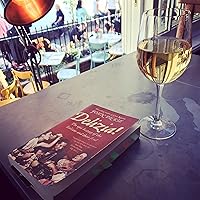
Each book I read offers a new perspective. In this post, I share my thoughts on this book in Persian and English. I hope this will be enjoyable for you :)
هر کتابی که می خوانم دریچه ای به دنیایی جدید است. تو این نوشته دیدگاه و تجربه ام از مطالعه ی این کتاب رو به دو زبان فارسی و انگلیسی با شما به اشتراک می ذارم امیدوارم خوندنش براتون لذتبخش باشه :)
Persian (فارسی)
در دل محلهای فراموششده از ناپل، جایی که نامش «مونته دیدیو،کوه خداست» اما ساکنانش بیشتر با خاک و فقر آشنا هستند تا با آسمان، راوی نوجوانی با نگاهی تازه و بیپیرایه، جهان را بازخوانی میکند. این اثر، نه صرفاً داستانی از بلوغ، که مرثیهایست بر کودکیهای نزیسته، بر آن لحظاتی که باید با بازی و بیخیالی پر میشدند اما با بوی گندِ اجبار به بزرگ شدن، از دست رفتند.
فرهنگ ناپلی در تار و پود روایت 🇮🇹
اِرّی دلوکا هیچگاه فرهنگ، سنت، و باورهای ناپلی را بهعنوان تزئینی سطحی در متن نمیگنجاند. داستانش، همچون بافت فرشی اصیل، با این مؤلفهها گره خورده.
- خانواده در این رمان نه صرفاً پیوندی خونی، بلکه سنگریست مقابل ناملایمات جامعه. از گفتوگویهای پر نیش و کنایه گرفته تا خاموشیهای معنادار، فضای خانواده در ناپلِ بعد از جنگ تنیده در نگاه شخصیتهاست.
- ازدواج و تعهد در این روایت رنگ سنتی دارد، اما نشانههایی از فروپاشی ارزشهای کهن در دلش دیده میشود؛ گویی نویسنده با نگاه شاعرانهاش، به گریزِ نسل جوان از الگوهای گذشته اشاره میکند.
- غذا، بهعنوان یکی از ملموسترین نمادهای فرهنگی، نه فقط بخشی از زندگی روزمره، بلکه خاطره، امنیت و حتی مقاومت است. در توصیف غذاها، لهجهی ناپلی و اصطلاحات محلی، نقش حیاتی در انتقال حس و حال دارند.
- باورها و اعتقادات مذهبی نیز در پسزمینه حضور دارند؛ گاه به شکل دعا، گاه در مواجهه با مرگ، گاه در جملاتی عادی اما سرشار از لایههای معنایی که ریشه در تاریخ و ایمان مردم دارند.
کودکیهای تباهشده و بلوغ زودرس 🧸
راوی نوجوان، خود محصول همین فرایند دردناک است: نه آنقدر کوچک که بتواند بیدغدغه بازی کند، نه آنقدر بالغ که به درستی معنای بزرگشدن را بداند.
او در یکی از تأثیرگذارترین جملاتش، از «بوی گند کودکی» حرف میزند؛ استعارهای تلخ اما واقعی از تجربهای که در آن کودک بودن نه امتیاز که شرم است. بسیاری از همنسلان او، بهجای دویدن در کوچهها، بهدنبال کار، فرار از سرزنش، و هویتیابی در جهانی هستند که فرصت رؤیا را از آنان دریغ کرده.
این بخش از رمان، انعکاس دردناکی از سیستمهای اقتصادی، فرهنگی و سیاسیست که اجازه نمیدهند کودکی، با تمام سادگی و شیرینیاش، تجربه شود. نه با شکایت، بلکه با تصویری پرحس از نگاه یک نوجوان، دلوکا این فقدان را به زبان میآورد.
فضا، مانند فیلمی از نئورئالیسم ایتالیا 🎞️
حس و حال رمان، بیشک یادآور سینمای نئورئالیستیست؛ بهویژه فیلم شاهکار «دوچرخهدزدها» ساختهی ویتوریو دسیکا.
نابودی آرمانها، تقلا برای کرامت انسانی در دل فقر، و بازنمایی زندگی روزمره با تمام خشونت و زیباییاش، در هر سطر این رمان حس میشود.
دلوکا با قلمش همان کاری را میکند که دسیکا با دوربینش: جزییات را بزرگ میکند، صداهای خاموش را به گوش میرساند، و بیننده/خواننده را وادار میکند نه از بیرون، بلکه از درون با داستان ارتباط بگیرد.
ترجمهی هنرمندانه: بازسازی جان به زبان دیگر 🪄
مهدی سحابی، در ترجمهی این اثر، نه فقط امانتدار کلمات، بلکه آفرینندهی تجربهایست که میتوان آن را مستقل از متن اصلی نیز تحسین کرد.
- لهجهی ناپلی در زبان فارسی حفظ شده، بدون اینکه اصطلاحات سختخوان شوند.
- انتخاب واژگان شاعرانه و چیدمان ریتمیک جملات، صدای راوی نوجوان را طبیعی و ملموس کرده.
- حتی در بازآفرینی مفاهیم فرهنگی و مذهبی، مترجم از سطح واژه فراتر رفته و معنا را منتقل کرده—گویی خواننده فارسیزبان نیز بدون واسطه با فرهنگ ناپلی ارتباط برقرار میکند
آموختن لمس در شهری که با زخم بزرگ میشوی🌾
در «مونتهدیدیو»، دلوکا بلوغ را نه چون شکوفایی، بلکه همچون راه رفتن با پای برهنه روی سنگفرشهای زبر روایت میکند. کودکی در این داستان، مثل خمیریست از درد، کنجکاوی، و اشتیاقی بینام برای لمس شدن. ناپل بعد از جنگ نه در هیاهو، بلکه در سکوت صبحهای خسته و نگاههای پُر از چیزهایی که هیچوقت گفته نمیشوند، زنده شده.
هر چیز ساده—از نان خشک تا کفش کهنه، از بومرنگی که بیدقت پرتاب میشود تا صدای کسی که فقط یکبار دلداری میدهد—شکلدهندهی جهانیست که کودک باید در آن معنای زندهبودن را کشف کند. و درست در همین شکافهای کوچک، در پناه نگاههای نیمهامن و عبارات نصفهنیمه، زیبایی آرام و پنهانی متولد میشود: زیباییای که نه حاصل راحتی، بلکه ریشهدار در تابآوری و ایمانِ بیصداست.
این رمان به ما یادآوری میکند که گاهی لمس، قبل از عشق میآید؛ و فهمیدن، در دل نگاهیست که بلد است صبر کند.
English (انگلیسی)
Set in a neglected corner of Naples, a place called Monte di Dio—“God’s Mountain”—yet more familiar to its residents through dust and poverty than divinity, a teenage narrator re-examines the world with unfiltered eyes. This story is not merely a tale of coming-of-age; it’s an elegy for unlived childhoods—for those moments meant to be filled with play and abandon but lost to the stench of forced maturity.
Napolitan Culture Woven Deep into the Story 🇮🇹
Erri De Luca doesn’t treat Neapolitan culture, traditions, or beliefs as decorative details. His narrative is richly woven—like an authentic tapestry—with these elements at its core.
- Family in this novel isn’t just about blood ties; it’s a shelter against society’s storms. From biting dialogue to charged silences, family dynamics in postwar Naples are embedded in every character’s gaze.
- Marriage and commitment bear a traditional hue, yet subtle signs of eroded values surface. De Luca, with poetic intuition, gestures toward a generation quietly escaping inherited templates.
- Food is one of the story’s most tangible cultural markers. Not just daily sustenance, but memory, comfort, and even quiet defiance. Local dialects and culinary descriptions channel visceral emotion.
- Religious beliefs and customs hum in the background—whether whispered in prayers, confronting death, or through ordinary phrases steeped in layered meaning passed down through generations.
Wasted Childhoods and Premature Maturity🧸
The teenage narrator is a product of this painful process—neither young enough to play freely, nor old enough to fully grasp what growing up means.
One of his most striking lines refers to the “stench of childhood”—a bitter yet honest metaphor for a life where being a child is not a privilege but a burden. His peers don't run in the streets; they seek work, escape scolding, and hunt for identities in a world that withholds even the right to dream.
This part of the novel is a haunting reflection of economic, cultural, and political systems that deny children the sweetness of innocence. De Luca doesn’t preach—he offers the tender vision of a boy trying to understand
Atmosphere Like a Frame of Italian Neorealism 🎞️
The spirit of the novel unmistakably echoes Italian Neorealist cinema—especially Vittorio De Sica’s Bicycle Thieves.
Crumbled ideals, the struggle for dignity amidst poverty, and the portrayal of everyday life with all its cruelty and grace—these textures permeate every page.
De Luca’s pen does what De Sica’s camera did: amplifies small details, gives voice to the quiet, and brings the reader inside the story—not as spectator, but as participant. What’s missing?
Artful Translation: Breathing Life into Another Tongue 🪄
Mehdi Sahabi’s translation is more than faithful—it’s creative. He doesn’t merely carry words across languages; he carries soul.
- The Neapolitan dialect is preserved without making the phrases feel foreign or cumbersome.
- His poetic choices and rhythmic flow breathe authenticity into the teenage voice.
- Even the cultural and religious subtleties rise beyond literal meaning, allowing Persian readers to experience Naples intimately, without translation barriers.
Learning to Touch in a City
That Wounds 🌾
In Monte di Dio, De Luca paints maturity not as blossoming, but as walking barefoot across rough stones. Childhood becomes a dough mixed with pain, curiosity, and nameless yearning for touch. Postwar Naples lives not in noise, but in tired mornings and unspoken glances.
Everything ordinary—from stale bread to worn-out shoes, from a carelessly thrown boomerang to one gentle word of comfort—builds a world where children must piece together the meaning of being alive. And in those fragile cracks, hidden between half-safe gazes and half-sentences, a quiet form of beauty is born—not born from ease, but rooted in resilience and silent faith.
This novel reminds us: sometimes, touch precedes love—and understanding grows in the gaze of someone who knows how to wait.