The vivid sense of community at the heart of modern-day Brazil is revealed in this bittersweet lament. Since the arrival of Gringa, everything has been going wrong-Maria Aparecida, the queen of the slums, has disappeared; one-eyed Tonio has stopped singing; and the clairvoyant Mama Lourdes can only predict bad news. The sleepy town of Bahia slowly withers as, one by one, its children abandon the town to follow their fortunes in the big cities of southern Brazil. Once there, they discover the rampant violence and squalor of Rio de Janeiro's shantytowns, the lively streets of Sao Paolo, and the despair within Bahia's prison, Canju.
Despite a rave review from Salman Rushdie and it was long listed for Independent Foreign Fiction Prize, i almost DNF this book. However, i decided to just give it ago and finished reading the whole thing yesterday. The story was not engaging (at least to me) and i felt the connection of all characters mentioned in this book (which is a lot - nearly half of the book i lost track some of the characters in the book because it has many people connected to the story. I just proceed reading it with some of the characters that revolved around the boy that i still can remember (thank god for that) but still it didn’t pull me in towards the story at all. I might overthinking this but there’s a heavy stereotype on people’s lives in Brazil. Read this at your own risk if you are interested as the only saving grace that i could give is the writing is beautifully done - She penned it in eloquent and powerful manner at the same time. I dont know whether i was not in the right mood to enjoy this book or whether the translation was not done right for the plot that has many characters and constantly changing the monologue swiftly without any hint or background story to it.
This is the first novel I've read from author Yasmina Traboulsi. The story is set in Brazil. It starts in Bahia, moves to Rio de Janeiro, relocates to Sao Paulo and returns to Bahia. Readers follow the story of several poor residents of Bahia that meet at the fountain of the main square. Each of these characters moves on to different lives at different locations with different outcomes. The novel is not well structured and organized, which made me confused on who's who, especially in the first chapter. The author depicts quickly the hardships lived by these characters to live and/or survive in Brazil.
This book reminded me of "Sand Captain" by Brazilian Jorge Armado, which the author pays tribute to in the first chapter. However, Jorge Armado's novel is far better in many ways.
All the references to City of God and Jorge Amado are very valid, still I enjoyed the fast pace of the author's writing and the story is heartbreaking. Clichés - definitely, but Treboulsi does a good job in creating a "Brasilian" atmosphere and some moments are brilliant. I loved the beginning with its bizarre set of characters including a stray dog, and I stayed interested all through. A fast and overall enjoyable read.
The book begins in a plaza in Salvador (Bahia), Brazil and it brings out a chorus of people who live around it. This part of the book is easier to follow, but later as some of these members move on to Rio and Sao Paulo, I had a harder time following the story. Though very short (123 pages in its English translation), it wasn't easy to make it through.
really tragic. i liked how it begins with a dramatis personae and each character then gets a short paragraph ~introducing you~ to the village before the plot starts properly. a stunningly sad portrait of one boy and the lives that intertwine with his.
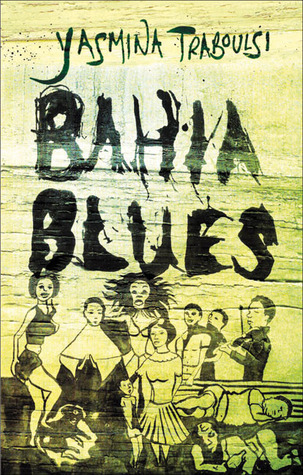
As much of my reading, this too came into my hands through my perennial snooping into JK's lists. Thus, I feel compelled to cut-and-paste his review here as it does better justice to the book than I can muster. (Except for the reference to the City of God....) "Starts off as the expected Jorge Amado pastiche with the obligatory " oh what an- eccentric-cast-of-characters" : the seven year old boy who must fend for his family, the aging prostitute, the ever stoic priest etc. But then it turns into City of God. The violent (literally) change in tone reminded me of how the annoying whimsical opening to "Life of Pi" gave no warning of what was to come. The Pelourinho (main square and environs in Salvador de Bahia) operates as the shire to the twin Mordors of Rio and Sao Paulo. Traboulsi does a very good job of turning up the pacing when the protagonists leave Bahia. However the book did get me wondering if every intelligent writer (or filmmaker) who contemplates Brazil will ultimately converge on the same descriptions of surreal violence and equally surreal life. I recommend Iain McDonald's brilliant sci-fi novel "Brasyl" if you really want to feel the unique disturbing power of this country turned up to an illuminating extreme. There are whole sections of the two books that echo each other. One final point - for the English edition it looks like Charles Addams was asked to do the cover. Yes there is a phantasmagoric feel to the book but the Bahian Addams family on the cover does not capture it. Mistake." -- John Krakauer PS: There is another edition, also British, that has the kids in the front and a row of colorful houses in the background. It's still doesn't quite work but it's better than the one shown here.
Enjoyable and easy to read. Well executed generally and probably a good insight into the lives of some people in Brazil, but couldn't help feeling it was all a little clichéd and lacked depth.