What do you think?
Rate this book


144 pages, Paperback
First published September 26, 1996

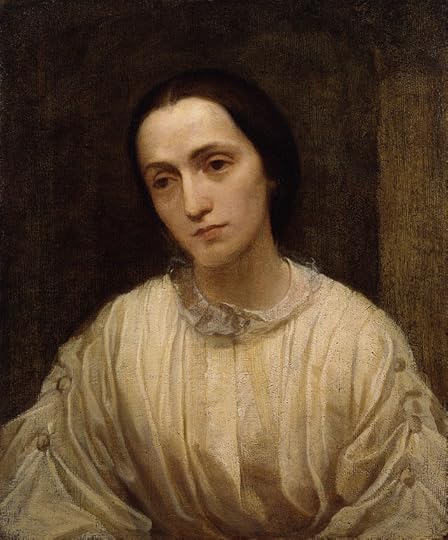
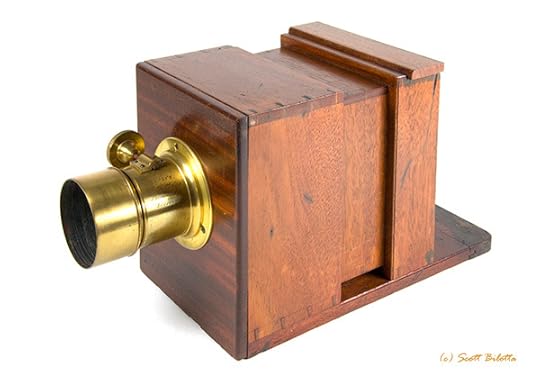
She would set up a scene like this and get all the subjects ready, but then she would have to prepare the negative. You couldn’t prepare it in advance and have it in your camera and then get the group set up, because the collodion had to be used when it was still sticky. If it dried, there would be no sensitivity, and you’d take a very bad photograph. So Cameron had to set them up: coat the negative with collodion, a mixture of nitrous cellulose, ether, and alcohol: then dip it into a light-sensitive chemical like silver nitrate: and finally put it in the camera. By the time she had done all that, there was the chance the subjects had moved.(For further description of the process, see http://en.wikipedia.org/wiki/Albumen_... .)
This whole description would apply as well to a portrait, in which the subject would need to hold as still as possible while as the preparation proceeded, in order to hold the precise pose, with light falling in the way Cameron wanted.
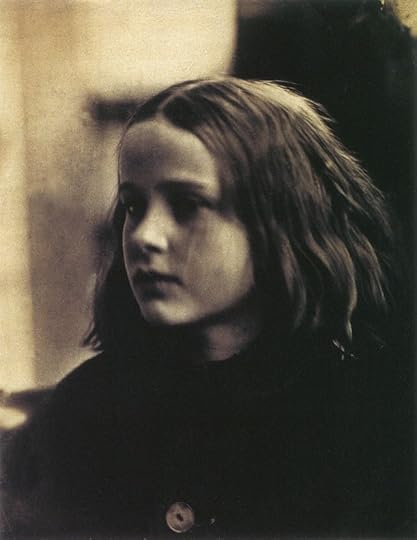
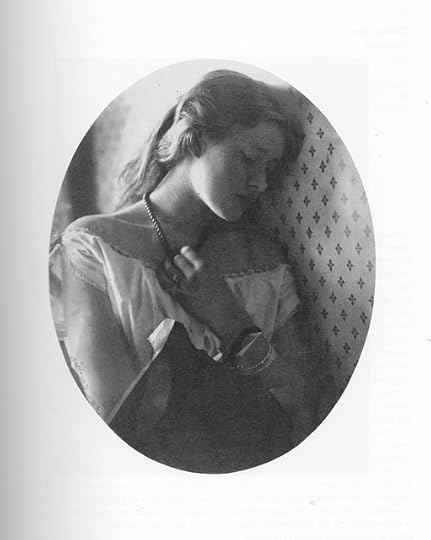
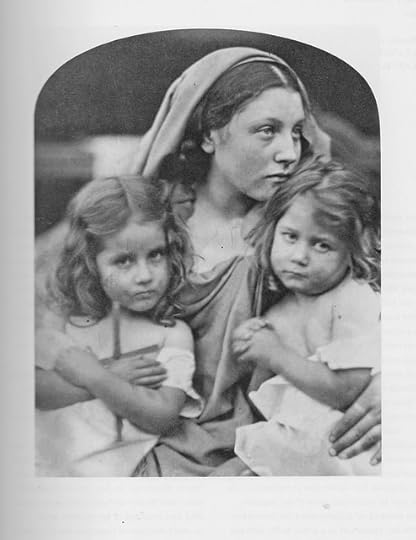
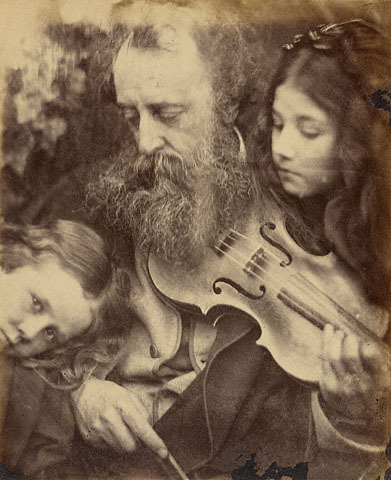
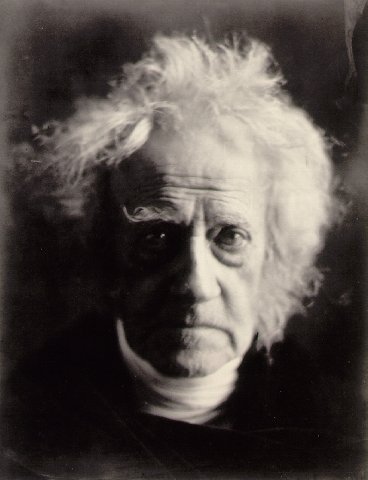
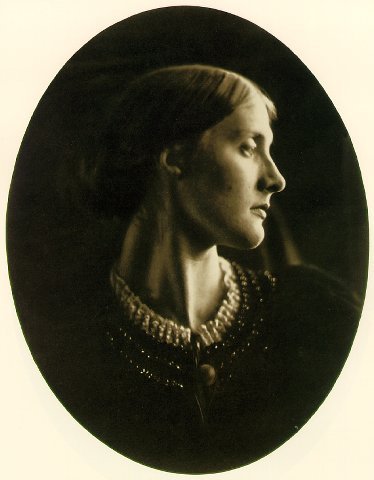
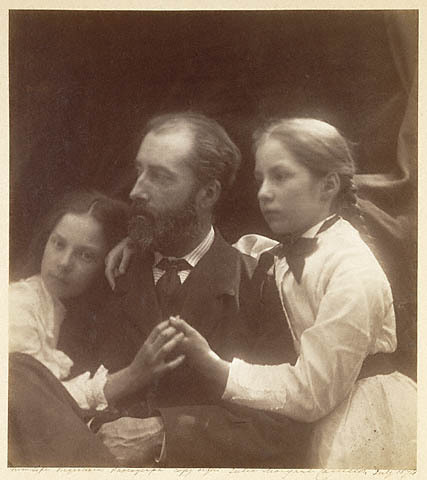
already a mother of six (like Cameron) … went the way of Minnie Thackeray and countless other women of the period and died in childbirth.The discussion includes a number of very tender comments about Cameron’s granddaughters in the photo, including JL’s: “It’s a double loss for them, because they’ve lost their childhood as well as their mother.”
Because her looks were not considered fine enough, Norman was seldom a subject for her mother’s camera, a bitter irony in view of the fact that it was her gift of a camera that had been the catalyst for Cameron’s remarkable career in photography. Cameron’s grief at her death is expressed in a moving series of portraits that she made of the Norman family in the summer of 1874.