The haveli of the Shahs in a village in Gujarat-Punjab is the hub of discussions about the imminent independence of India. Even as two of the Shah brothers return from the British army, bringing in tales of their political excesses, the women of the village, suffering its iron-fisted patriarchy, look for guidance towards the childless Shahni, the eldest Shah's second wife. And in the quiet corners of the haveli, an impossible love sprouts between Shahji and young Rabeya, a mere servant of the household. It is a desire poised on the razor's edge. One of the most controversial novels of the last century, Zindaginama is a magnificent portrait of India on the brink of its cataclysmic division.
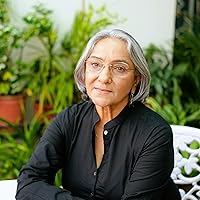
कृष्णा सोबती (१८ फ़रवरी १९२५, गुजरात (अब पाकिस्तान में)) हिन्दी की कल्पितार्थ (फिक्शन) एवं निबन्ध लेखिका हैं। उन्हें १९८० में साहित्य अकादमी पुरस्कार तथा १९९६ में साहित्य अकादमी अध्येतावृत्ति से सम्मानित किया गया था। अपनी संयमित अभिव्यक्ति और सुथरी रचनात्मकता के लिए जानी जाती हैं। उन्होंने हिंदी की कथा भाषा को विलक्षण ताज़गी़ दी है। उनके भाषा संस्कार के घनत्व, जीवन्त प्रांजलता और संप्रेषण ने हमारे समय के कई पेचीदा सत्य उजागर किए हैं।
कृष्णा सोबती का जन्म गुजरात में 18 फरवरी 1925 को हुआ था। विभाजन के बाद वे दिल्ली में आकर बस गईं और तब से यही रहकर साहित्य सेवा कर रही हैं। उन्हें 1980 में 'जिन्दी नामा' के लिए साहित्य अकादमी पुरस्कार मिला था। 1996 में उन्हें साहित्य अकादमी का फेलो बनाया गया जो अकादमी का सर्वोच्च सम्मान है। 2017 में इन्हें भारतीय साहित्य के सर्वोच्च सम्मान "ज्ञानपीठ पुरस्कार" से सम्मानित किया गया है। ये फिक्शन की लेखक हैं।
कार्यक्षेत्र
‘बादलों के घेरे’, ‘डार से बिछुड़ी’, ‘तीन पहाड़’ एवं ‘मित्रो मरजानी’ कहानी संग्रहों में कृष्णा सोबती ने नारी को अश्लीलता की कुंठित राष्ट्र को अभिभूत कर सकने में सक्षम अपसंस्कृति के बल-संबल के साथ ऐसा उभारा है कि साधारण पाठक हतप्रभ तक हो सकता है। ‘सिक्का बदल गया’, ‘बदली बरस गई’ जैसी कहानियाँ भी तेज़ी-तुर्शी में पीछे नहीं। उनकी हिम्मत की दाद देने वालों में अंग्रेज़ी की अश्लीलता के स्पर्श से उत्तेजित सामान्यजन पत्रकारिता एवं मांसलता से प्रतप्त त्वरित लेखन के आचार्य खुशवंत सिंह तक ने सराहा है। पंजाबी कथाकार मूलस्थानों की परिस्थितियों के कारण संस्कारत: मुस्लिम-अभिभूत रहे हैं। दूसरे, हिन्दू-निन्दा नेहरू से अर्जुन सिंह तक बड़े-छोटे नेताओं को प्रभावित करने का लाभप्रद-फलप्रद उपादान भी रही है। नामवर सिंह ने, कृष्णा सोबती के उपन्यास ‘डार से बिछुड़ी’ और ‘मित्रो मरजानी’ का उल्लेख मात्र किया है और सोबती को उन उपन्यासकारों की पंक्ति में गिनाया है, जिनकी रचनाओं में कहीं वैयक्तिक तो कहीं पारिवारिक-सामाजिक विषमताओं का प्रखर विरोध मिलता है। इन सभी के बावजूद ऐसे समीक्षकों की भी कमी नहीं है, जिन्होंने ‘ज़िन्दगीनामा’ की पर्याप्त प्रशंसा की है। डॉ. देवराज उपाध्याय के अनुसार-‘यदि किसी को पंजाब प्रदेश की संस्कृति, रहन-सहन, चाल-ढाल, रीति-रिवाज की जानकारी प्राप्त करनी हो, इतिहास की बात’ जाननी हो, वहाँ की दन्त कथाओं, प्रचलित लोकोक्तियों तथा 18वीं, 19वीं शताब्दी की प्रवृत्तियों से अवगत होने की इच्छा हो, तो ‘ज़िन्दगीनामा’ से अन्यत्र जाने की ज़रूरत नहीं।
पाठकों की कथाकार
उनकी लंबी कहानी ‘मित्रो मरजानी’ के प्रकाशन के साथ कृष्णा सोबती पर हिंदी कथा-साहित्य के पाठक फ़िदा हो उठे थे. ऐसा इसलिए नहीं हुआ था कि वे साहित्य और देह के वर्जित प्रदेश की यात्रा की ओर निकल पड़ी थीं बल्कि उनकी महिलाएं ऐसी थीं जो कस्बों और शहरों में दिख तो रही थीं, लेकिन जिनका नाम लेने से लोग डरते थे.
यह मजबूत और प्यार करने वाली महिलाएं थीं जिनसे आज़ादी के बाद के भारत में एक खास किस्म की नेहरूवियन नैतिकता से घिरे पढ़े-लिखे लोगों को डर लगता था. कृष्णा सोबती का कथा साहित्य उन्हें इस भय से मुक्त कर रहा था.
महात्मा गांधी अंतरराष्ट्रीय हिंदी विश्वविद्यालय, वर्धा में पढ़ाई कर रहे अंकेश मद्धेशिया कहते हैं, ‘उन की नायिकाएं अपने प्रेम और अपने शरीर की जरूरतों के प्रति किसी भी तरह के संकोच या अपराधबोध में पड़ने वाली नहीं थीं. आज तो यौन जीवन के अनुभवों पर बहुत सी कहानियां लिखी जा रही हैं पर आज से चार-पांच दशक पहले इस तरह का लेखन बहुत ही साहसिक कदम था.’
वास्तव में कथाकार अपने विषय और उससे बर्ताव में न केवल अपने आपको मुक्त करता है, बल्कि वह पाठकों की मुक्ति का भी कारण बनता है. उन्हें पढ़कर हिंदी का वह पाठक जिसने किसी हिंदी विभाग में पढ़ाई नहीं की थी लेकिन अपने चारों तरफ हो रहे बदलावों को समझना चाहता था.
वह चाहता था कि वह सब कुछ कह दे जो ‘बादलों के घेरे में’ कहानी का नैरेटर मन्नू से कहना चाहता था. अपने मन में बस रही एक समानांतर दुनिया से मुक्ति के लिए कृष्णा सोबती की कहानियां मन में धंस जाती थीं.
विवाद
इनकी कहानियों को लेकर काफ़ी विवाद हुआ। विवाद का कारण इनकी मांसलता है। स्त्री होकर ऐसा साहसी लेखन करना सभी लेखिकाओं के लिए सम्भव नहीं है। डॉ. रामप्रसाद मिश्र ने कृष्णा सोबती की चर्चा करते हुए दो टूक शब्दों में लिखा है: उनके ‘ज़िन्दगीनामा’ जैसे उपन्यास और ‘मित्रो मरजानी’ जैसे कहानी संग्रहों में मांसलता को भारी उभार दिया गया है। केशव प्रसाद मिश्र जैसे आधे-अधूरे सैक्सी कहानीकार भी कोसों पीछे छूट गए। बात यह है कि साधारण शरीर की ‘अकेली’ क
‘ज़िन्दगीनामा’ पढ़ रहा हूँ. काफी दिनों से पेडिंग था. शायद कुछ दिनों में खत्म हो जाए. 392 पेज मुश्किल भी नहीं है. पंजाबी के शब्द या नज़्म दिक्कत कर रहे है. लेकिन समझ में आ जाने लायक काम चल जा रहा है. 70 पेज पढ़ने के बाद सोच रहा था यह किताब लेकर रेख़्ता में गया था कुछ साल पहले की कृष्णा सोबती जी से दस्तख़त करवाऊंगा. उनका सेशंस होना था. लेकिन तबियत खराब होने के कारण नहीं आई थी. उसके बाद तो लगातार अस्वस्थ रहीं. फ़िर कुछ दिनों बाद तो नहीं रहीं. किताब भी पढ़ना नहीं हुआ था. अबकी पढ़ना होगा और ऐसे दौर में. यह भी अद्भूत बात है. कई बार किताबें आपको चुनती है. लेकिन इस किताब का चुनाव और वक्त अब का है. लेखन में ग़ज़ब की मंज़रकशी है. पंजाब का देहात पढ़ने के बाद आँखो के सामने गुज़र रहा है. हिंदी सिनेमाई और यश चोपड़ा के पंजाब से अलग. कुछ-कुछ अन्हे घोड़े दा दान जैसा. काफी रॉ. गज़ब है न जब हम बाहर नहीं जा पा रहे है लेकिन लेखिका हमें जबर्दस्ती गाँवों तक ले जा रही है. जहाँ कोई नायक नहीं है. कोई राज या सिमरन नहीं. कस्बा या गाँव अपने आप में नायक-नायिका है. सबकी अपनी यात्रा है. अच्छा लग रहा है. दूसरी बात इन्होंने कम लिखा है. लेकिन ठोस. इनकी दूसरी बात जो मुझे अच्छी लगती आई है वह उनका पहनावा. थोड़ी दंबंगई वाली. ठेठ. काला चश्मा लगाएं. राजेन्द्र यादव जैसा थोड़ा बहुत. पता नहीं ऐसे किरदार मुझे अच्छे लगते है. हालांकि दंबंगई के वावजूद इनकी कुछ तो सोम्यता है जो भा जाती है. दंबंग लोग वैसे भी अच्छे नहीं लगते. राजेन्द्र यादव का पाइप पिना या फ़िल्मों में राजकुमार का भी. अच्छा लगता है. लेकिन मैं पीता नहीं. केशव कहता था मुझे सिगरेट पीने की आदत राजेन्द्र यादव को देखकर लगी. लोग कहाँ-कैसे-कब किनसे इन्सपायर हो जाते है पता नहीं चलता. सब ठीक हो जाए तो मुझे पाइप्स का कलेक्शन करना है. यह बहुत दिनों से सोच रखा था.
बोलते , चलते फिरते हाड़ मांस के किरदार सिरजे हैं कृष्णा जी ने। इस उपन्यास को पढ़े हुए शायद एक दशक से ऊपर हो गया है मगर केसर - कस्तूरी सी इस की महक अब भी फूट पड़ती है। पात्रों की ज़बान से पंजाब के पांच पानियों की मिठास छलकती है। सर्दियों में पढ़ने का उपन्यास है। गुनगुनी धूप में, छत पर दरी बिछा ,बैठ कर, भुने हुए आलू , मसाला लगे कीनू - माल्टा और अख़रोट चबाते हुए पढ़ा जाए तो फिर बात ही क्या। ऐसा उपन्यास हिन्दी में दूसरा नहीं है। मेरे लिए मापदण्ड सा है क्योंकि किसी भी नए उपन्यास को अनायास ही ' ज़िंदगीनामा ' की कसौटी पर कसता हूँ। हैफ़ कि यहाँ पांच ही सितारे दिए जा सकते हैं !
बढ़िया उपन्यास। आंचलिक है। कथा व काल दोनों ही रुचि जगाने वाले हैं। घटनाएँ घटती ही रहती हैं परंतु बहुत तेजी से भी नहीं। उपकथाएँ ज़रा ज्यादा हैं। पात्र भी सचमुच एक पूरा गाँव बसा सकते हैं। राबयां का चरित्र किसको आकर्षित नहीं करेगा। पंजाबी का ज्ञान अत्यावश्यक। कुल मिलकर आंचलिक उपन्यासों में पढ़ने लायक की श्रेणी में रखने के लायक।
Lord is my witness, I took some time to read this book. I, unfortunately, had a lot going on in my life and didn't have time to read as much but I felt like the disjointed reading didn't let me enjoy this book. I mean, first of all, this book doesn't really have a plot and has so many characters, it was hard to catch up. Second, the translations - it was colloquial and I liked it but it also took me some time to understand it - I couldn't read it at the speed I was used to because I had to sit down and try to understand what it was. Still, a nice book though.
It was a book of conversations - conversations that helped us understand what the country was like at that time.
A microcosm of feudal Punjab in the early 20th century, Sobti’s finely etched characters inhabit an inflection point in history when the glory days of the Sikh and Mughal empires have ended, and the British overlords are fighting both a war in Europe and growing rebellion in India. For the inhabitants of Shahpur, little has changed in millennia as each family negotiates feuds, rivalries, everyday survival and passions. The sights, smells and sounds of conversation, poetry, music, dance, food and religious observance of pre-Partition Punjab are captured in exquisite detail even in translation.
Zindaginama by Krishna Sobti- novel- Book was awarded Sahitya Academy Award 1980. The book is in two parts, first part Zinda Rukh, second part, Zindagi nama. It is based on life between Hindu, Sikh and Muslim community in Gujarat region of undivided Punjab are of India in the 20th century. Major incidents like First World War and Ghadaar movement has been woven in the plot of the novel. Particarch of the novel is Zamindar Shah family headed by Shahji. Shahji has come from a another village to Village Dera Jatta. He has Rs one hundred with him. He settles here and soon becomes its Headman.He belongs to aristrocrat class. Shahji is aware of Law and tries to follow it but his brother believes in universal law, kindness towards all. Shahji is married to Shahni. He is a moneylender. Shahni is the centre of positivity in the book. She is second wife of Shahji as his first wife has expired. She helps every rural folk from the village who comes in contact. He visits Baba Farid to pray to grant her a son. Shahjis’ younger brother Kashi is type of Sufi mystic who disagrees with the strict recovery of interest and dues from customers. He is educated and reads newpaper in the Majlis Chaupal. He is married of Bindrayani and in the book he is not able to his wife happy. Still she showers love her husband. All communities are based on agricultural income but all are poor but they live happily in the village. Azan can be heard in the morning from the masjid. Cocks crow and people wake up in the morning. Peasants take loan from Shahji, some are unable to pay in time and pay with the agricultural produce though their family does not retain grains for ther year. During this period, there was friendship between all communities though they were divided by religion. Each community joined in celebration and grief of neighbours. India was governed by the British. Language used was Urdu, Persian, Punjabi - Gurumukhi English. God was called RAB by all. Shahni does not have a child. Both One character is Chachi Mehr who after widowhood, leaves her rich Sikh in- laws and marries a person in the Shah family. She is soon widowed. Sikh family discards her this act except her younger brother- in- law who considers her decision to marry a Shah as proper and he waits for her arrival when he falls fatally ill. Shahhi initially does not have children. They believe in suggestions of wellwishers and foloow their instructions. They have a son who is named as Lali Shah. Prayers, jubilation and celebration follow. They hier Rabeyan to help Shahni and the household and takes care of their son. Shahni asks Rabeyan to sing a love song for Shahji. Rabeyan knows that she is just a servant and she doesnot cross the line. Mehri Chachi is a servant in the household. Story of the book brings out how wishes of forward looking women to rise above the situation is curbed and rendered unachieveable. From the beginning of the book, the characters in the book recite poems, songs according to the mood and use of local language and customs is evident. One part of the book is story of India from 1905 to 1915. Second part is about Chaupal in front of the residence of Shahji. All residents gather in this chaupal. Village is connected with outside world by a newspaper which comes intermittently. In the initial years 1905 to 1915, all village people talk about familes, festivals like Lohri, Id, Dussehra, Baisakhi, marriages, guests arriving from outside, Philosophy of Arya Samaj by Dayanand Saraswati, effect on transport and business by introduction of railway. Sweets, dry fruits, resins, other homemade delicacies were distributed, all children studied in the same school and played gilli danda together, etc. As the political situation changes, Salamat Ali, Nazir, Mehr Ali, Bhaddi, Mohammadeen, Fateh khan, Lal Khan (government servant) Kartaro, Dilbagh, Fatma Behan, Gauhar, Sajad Bibi, Ismail, Malaram Chowdary, Nai Ramzan, Maulvi Ilmuddeen, Chaudhary Mauladad, Karam Ilahi, retired army men Jahandar, Ganda Singh, (stories about their escapades in Punjab Regiment) etc. read the newspaper and talk about the political struggle, division of India and about their being cut of their roots soon after partition of the nation. Mehr Ali, Mahammdeen, Nazir are farmers who have taken a loan from Shahji and are unable to pay the Principal amount and the interest. They think that the interest is exorbitant. Their dailogures are about the loan increase in the amount of loan are sharp. Police atrocities and their non-botheration about the difficulties of people, irresponsible administration have been mentioned. Forcing young men to join the Armed Forces. Strife between communities bring blood bath washed in rivers Jhelum, Chenab and Ravi. 44th Battalion is ordered to control and help. Economic difference in society, partition of the nation, religious fanatics encouraging people to kill, loot and harm the rich and their property. This is the beginning to strife in the peacefully living families has been depicted in the novel. It is a good read book for all.
I had eagerly waited to read Krishna Sobti, the renouned Hindi writer who had been honoured with the Sahitya Academy award for her book "Zindaginama". I was some what dissapointed. The book is a narration of episodic converversations between scores of scattered characters, not necessarily connected with each other. The lack of continuity, sequence and coherence is felt throught. The plot and characters all seem to be in a muddle. I cant say I could escape the confusion of so many dis connected pieces of talk and more talk....leading no where. The author does give some interesting peep-ins to the village life of the pre partition era, but is mis informed about many social structures. Her urban roots make her grasp of the village life rather funny at times. She seems to have the religious identities of family members all mixed up- the wife is a kaur while the husband is a so and so chand. I could not make out till the very end the religion of the Shah family. The conversation is too urbane most of the time.
I thought of writing this review when I heard Krishna Sobti is no more. This is the only work I have read of hers though I have been wanting to read her other works especially Mitro Marjaani. The reason I gave three stars for Zindaginama is the poor quality of the translation and not the work as such. Reading through the book I found myself constantly frustrated by the inability of the translation to capture the text in so many aspects- poetry, idiom, narrative style. The work itself is so ambitious. It deals with a whole range of characters, and while set in a specific location - west punjab- at a momentous moment in South Asian history it is a micro look at everyday life especially how caste, religion and gender shape the everyday in rural colonial Punjab. At some point I want to attempt reading the book in hindi which itself I am told is a hindi which draws from Punjabi and Urdu/Persian traditions. Meanwhile we have to hope that someone else will attempt a better translation.
Since I already know punjabi language and read about pre partition era and come from village ....I was very much able to relish the charm of this novel. This novel is not for everyone but for those who have some prior understanding or culture, history and people
What if the country never got divided? What if everyone in the village lived together like a giant family irrespective of religion? What if gods and saints weren’t divided on faith? What if life was just a bit easier?
Before the line was drawn and papers were signed in the viceroy’s office, life was like that in undivided Punjab. One would go to the court of Lahore to solve land disputes and trade in the markets of Patiala. We, who were born much later of partition, don’t always understand the depth of wounds some bore deep inside their hearts. Escaped their own homes in the dark night, leaving everything, losing family members on the way, living in an unknown city, among unknown faces. We don’t understand their heartaches. My family is more connected to Bangladesh, we have our relatives there, a threadbare connection surviving via social media. I didn’t understand when my grandmother used to say you haven’t eaten proper firni ever, or the saree is not as good as the ones in her maternal home. They were never completely happy here. Haunted by the past, longing for a home they lost forever. Our roots and scars are constantly reminded, through food, through customs, through our speeches, and sometimes as a slur too. You are not an Indian, even I heard that too. So generations carry forward bitter-sweet memories.
Krishna sobti’s Zindaginama is the celebration of life, change the name and place it won't be very different from the tales my grandmother told me. Love and resentment live together, happiness with a tinge of sorrow, this obscure village is far from perfect. There is no single hero or heroine, everyone in the scene plays their role in showing us how life looks from different lenses.
There are Shahs the moneylender and landowners who control the village, jats tiled the lands as sharecroppers, living under heavy debts and probably can never repay it. Chachi, far more advanced for the time, widowed at a young age in a Sikh family decided to live with her lover, her courage reminded me of Binodini of Chokher Bali (Rabindranath Tagore). There’s an underlying sadness in the book, a woman’s worth still determined with childbirth. How ironic is it that a few things never change even today, the husband goes to court to seek divorce because his wife could not give him an heir. The role of Shahni is more like a commander, mentoring and controlling the female of the village, desperate for a child.
The author showed how we are never satisfied even after having everything, we still crave for more, something impossible, just like the thirst of thanadar, insatiable. This book is clearly an example of a plotless plot book. Interlaced with poetries of Bulleh Shah, Kabir, and the author's own pieces.
Filled with conversations between endless characters, the book flows into more tumultuous times, when the sons join the Imperial army for World war 2. Mothers unaware of the fact that they might never return or the treatment of Indians outside are content with the generous army rations. The sheer number of characters along with disjointed writings took some time to get adapted and often connected with Urdu words was sometimes difficult to comprehend. As the author slowly crept into tales of British rule and the cost paid by the ones who belong to the lower strata of the hierarchy, the innocence of the people disappears and the air becomes grimmer and darker. Zindaginama is not a hope giver, it’s the harsh reality of life.
Oftentimes it's debated whether the translated versions justify the original work and I’m still looking for that answer. I can’t read Hindi or Urdu and this is the best and the only way to know the story. This is how I once read Saraswatichandra. Truth be told, translations never completely represent the original work, it's wrong to even expect it. The feelings are sometimes regional, that beauty gets lost when it gets converted into an alien language. This opens the door slightly to the world which otherwise would be impossible to get into. Maybe I would have loved the book more if someone read it in Hindi for me.
This is a book whose subject is not merely the lives of individual characters but life itself, as it was lived and understood in the Gujarat region of undivided Punjab in the early 20th century. It is a Punjabi story told in Hindi, with extensive use of Punjabi vocabulary. Much of the narrative is dialogue, in a variety of different registers. And the book is full of poetry — from well-known and obscure verse in many languages to songs and couplets composed by Sobti hersef.
The storyline tells the tale of Punjab as it was... 100 years ago.I was reminded of customs, practices and anecdotes which I had seen during my childhood or heard from my mom and grand mother...a truly epic book on punjab and punjabiyat in its pure form!