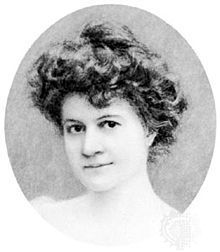
In this 1906 novel, Ellen Glasgow describes the lives of a New York poet, Laura, her socialite friend from childhood, Gerty, and their various acquaintances, including a publisher and several members of their families and social set. There were several flaws with the book. Laura's doomed relationship with Kemper is not especially realistic and a story line about an aspiring playwright and his relationship with a young woman living as a starving artist who cannot find anyone to publish her work is completely dropped before it seems finished. This is one of the few novels Glasgow set outside of her home state of Virginia and describes a good deal of the fashion and societal trends of the period.
"Do you understand that? .... that we're all drawn by wires like puppets, and the strongest wire pulls us in the direction in which we are meant to go? It's curious that I should never have known this before because it has become perfectly plain to me now--there is no soul, no aspiration, no motive for good or evil, for we're everyo one worked by wires while we are pretending to move ourselves."
Then his vision broadened, and he looked from Connie's life to the lives of men and women who were more fortunate than she; but all human existence, everywhere one and the same, showed to him as the ceaseless struggle after the illusion of a happiness which had no part in any possession nor in any object. He thought of Laura, with the radiance or her illusion still upon her; of Gerty, groping after the torn and soiled shreds of hers; of Kemper, stripped of his and yet making the pretence that it had not left him naked; of Perry Bridewell, dragging his through the defiling mire that led to emptiness; and then of all the miserable multitude of those that live for pleasure. And he saw them, one and all, bound to the wheel which turned even as he looked."