

What do you think?

Harold Fry #1
L'imprevedibile viaggio di Harold Fry
Goodreads Choice Award
Nominee for Readers' Favorite Fiction (2012)Quando viene a sapere che una sua vecchia amica sta morendo in un paesino ai confini con la Scozia, Harold Fry, tranquillo pensionato inglese, esce di casa per spedirle una lettera. E invece, arrivato alla prima buca, spinto da un impulso improvviso, comincia a camminare. Forse perché ha con la sua amica un antico debito di riconoscenza, forse perché ultimamente la vita non è stata gentile con lui e con sua moglie Maureen, Harold cammina e cammina, incurante della stanchezza e delle scarpe troppo leggere. Ha deciso: finché lui camminerà, la sua amica continuerà a vivere. Inizia così per Harold un imprevedibile viaggio dal sud al nord dell'Inghilterra, ma anche dentro se stesso: mille chilometri di cammino e di incontri con tante persone, che Harold illuminerà con la sua saggezza e la forza del suo ottimismo. Harold Fry è - a suo modo - un eroe inconsapevole, proprio come Forrest Gump: un uomo speciale capace di insegnarci a credere che tutto è possibile, se lo vogliamo davvero.
320 pages, Hardcover
First published March 15, 2012
About the author
Rachel Joyce
33 books3,615 followersRachel Joyce has written over 20 original afternoon plays for BBC Radio 4, and major adaptations for both the Classic Series, Woman's Hour and also a TV drama adaptation for BBC 2. In 2007 she won the Tinniswood Award for best radio play. She moved to writing after a twenty-year career in theatre and television, performing leading roles for the RSC, the Royal National Theatre, The Royal Court, and Cheek by Jowl, winning a Time Out Best Actress award and the Sony Silver.
Ratings & Reviews
Friends & Following
Create a free account to discover what your friends think of this book!
Community Reviews
Displaying 1 - 30 of 22,530 reviews

July 25, 2012
The Harold Fry that leaves to mail a letter to his dying friend is drained by life, full of self-loathing and incapable of mending his ruined marriage. ‘For years they had been in a place where language had no significance’. He just keeps walking in the belief that his journey will save her life. I wanted to shout “keep going Harold!”, to remind him of the adage ‘absence makes the heart grow fonder’ because Harold’s journey was testament to its truth.
A journey just as much about having the courage to reflect back as about going forward. Solitude forces him to open the door to his personal demons. Simply walking requires behavior that’s totally out of character; an ability to connect with both nature & mankind. He draws the strength to keep going from his new found awareness of nature's intricate beauty. The humanity of random strangers, those ‘great unwashed’ he’s spent a lifetime tuning out, offer insight and comfort. Harold had abided by the British unspoken rule not to ask for help, yet it is constantly offered, and with such civility!
I loved this book on so many levels. It’s unapologetically sentimental though not cloyingly so. It’s a great adult love story that deals unflinchingly with the challenges of lifelong commitment. It focuses on the value of friendship, humility, self-forgiveness and human kindness. And it’s a tremendous 1st novel which I’d love to see performed on stage; this would make for a fabulous play.
“it never ceases to amaze me how difficult the things that are supposed to be instinctive really are”

July 20, 2017
One of my favorite places to read during nice weather is out on my balcony. At one point in this book I was out reading, sunglasses on to cut the sun’s glare, and the story gripped my heart to the weeping point. Do I go in so my neighbours don’t see? But I’m wearing my sunglasses. Yes, but the tears are falling from under the sunglasses and rolling down my cheeks.
I did come in from outside (no tissues on my balcony) and then I thought, if Harold Fry is brave enough to walk so many miles and is not fussed about what people think of him, why can’t I sit out on my balcony and cry about his story?
As I was reading, I really did want to hug this book – and I still do. Even more, I want to hug all the characters in this book.
This is indeed a love story. It is about love of spouses, love of children, love of parents, of neighbours, of friends who made sacrifices, of strangers with hearts alive with their own loves. It is also about love of nature, of the plants that feed us, wild and domesticated; and it is about love of beautiful sunrises and sunsets, of springs and myriad shades of green.
This book is also about the fractures and fissures that love creates while building itself.
At first I could not imagine how a pilgrimage could take up an entire book. As I read, I was reminded that a pilgrimage is a journey, and as with any journey that any person undertakes, they bring themselves along. Their thoughts, their hurts, their tender moments, and the bitter. I am now amazed how just one book contained so much.
I recommend this book to anyone who is open to being moved – and changed – by sharing a journey through life’s pains and joys with a fellow pilgrim.
I did come in from outside (no tissues on my balcony) and then I thought, if Harold Fry is brave enough to walk so many miles and is not fussed about what people think of him, why can’t I sit out on my balcony and cry about his story?
As I was reading, I really did want to hug this book – and I still do. Even more, I want to hug all the characters in this book.
This is indeed a love story. It is about love of spouses, love of children, love of parents, of neighbours, of friends who made sacrifices, of strangers with hearts alive with their own loves. It is also about love of nature, of the plants that feed us, wild and domesticated; and it is about love of beautiful sunrises and sunsets, of springs and myriad shades of green.
This book is also about the fractures and fissures that love creates while building itself.
At first I could not imagine how a pilgrimage could take up an entire book. As I read, I was reminded that a pilgrimage is a journey, and as with any journey that any person undertakes, they bring themselves along. Their thoughts, their hurts, their tender moments, and the bitter. I am now amazed how just one book contained so much.
I recommend this book to anyone who is open to being moved – and changed – by sharing a journey through life’s pains and joys with a fellow pilgrim.

June 27, 2013
Found at The Sunday Edition:

The Unlikely Pilgrimage of Harold Fry is the story of one man's faith in his feet. (OneEighteen/photopin)
★★★★★ So well narrated by the wonderful Jim Broadbent. If you'd like to hear a bit of it, go here and click on the pod casts. It touched my heart.
Jim Broadbent

North Devon coastline

Clovelly, North Devon


Taunton, U.K. You can see the paving stones.

Walled gardens in Taunton.


Glastonbury England - The Resting place of the Legendary King Arthur

Mendip Hills

horse chestnut

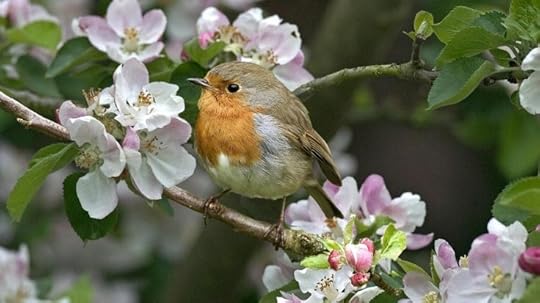
European Robin Among Apple Blossoms England. Posted by PictureGirl.
bluebells along the path in England

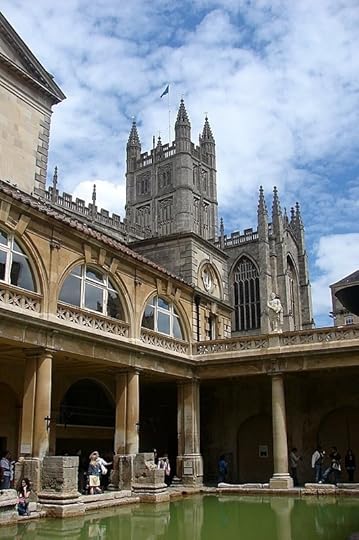
Bath, England
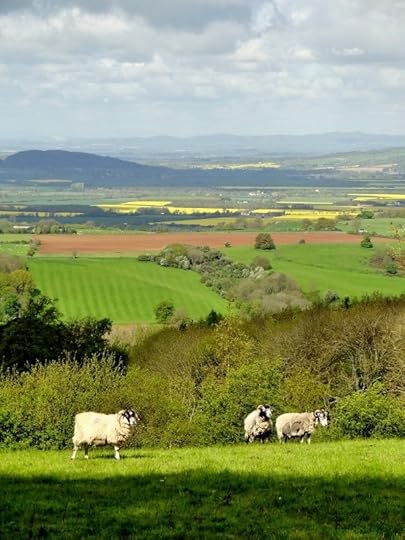
Sheep in Cotswold
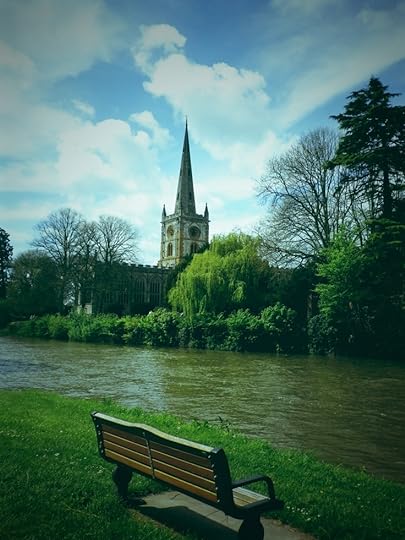
Stratford
Berwick Upon Tweed Northumberland England
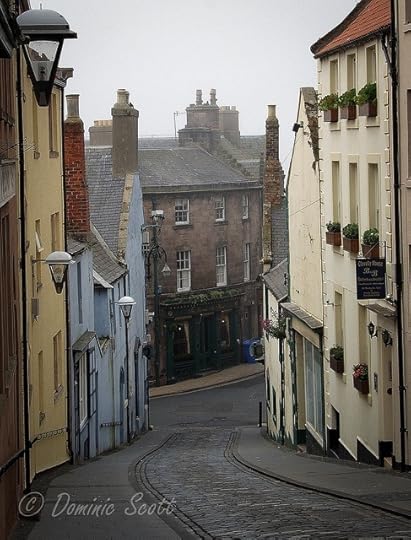
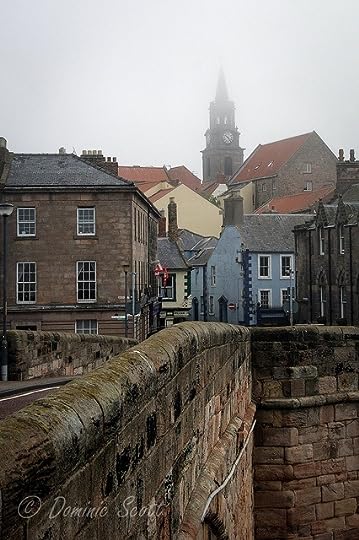
Lindisfarne Castle, Holy Island, Berwick upon Tweed, England - A beautiful romantic 15th century castle accessible from the mainland through a causeway during low tide.
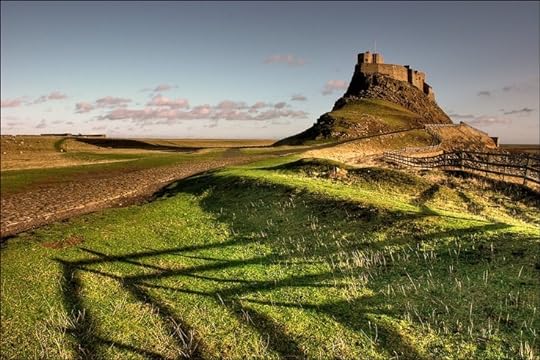
The Unlikely Pilgrimage of Harold Fry is the story of one man's faith in his feet. (OneEighteen/photopin)
★★★★★ So well narrated by the wonderful Jim Broadbent. If you'd like to hear a bit of it, go here and click on the pod casts. It touched my heart.
Jim Broadbent
North Devon coastline
Clovelly, North Devon
Taunton, U.K. You can see the paving stones.
Walled gardens in Taunton.
Glastonbury England - The Resting place of the Legendary King Arthur
Mendip Hills
horse chestnut
European Robin Among Apple Blossoms England. Posted by PictureGirl.
bluebells along the path in England
Bath, England
Sheep in Cotswold
Stratford
Berwick Upon Tweed Northumberland England
Lindisfarne Castle, Holy Island, Berwick upon Tweed, England - A beautiful romantic 15th century castle accessible from the mainland through a causeway during low tide.

November 20, 2022
The Unlikely Pilgrimage of Harold Fry
(Harold Fry #1)
by Rachel Joyce, Jim Broadbent (Narrator)
This story is wonderfully written and I enjoyed it but am glad it's fiction. I worried so much for Harold Fry and with good reason. His spontaneous decision to walk over five hundred miles to see a dying woman who he felt he owed a great debt left him ill prepared for what he planned to do. To make things worse, he refuses to acquire proper supplies for traveling on foot when he has a chance to do so. On top of all that, he then sheds what little resources he has at hand and makes the possibility of ill health even more likely.
I've always been one of those "be prepared" people so I know I'm missing the spirit of this story big time. Heck, I even work out each day and already own all I would need to walk long distance. I'm such a party pooper that if there was a Harold Fry club, I'm sure I would be kicked out pronto.
Still, the story is a good one. People are shown to be the flawed beings that they are but also they are shown to be generous and caring, too. This journey for Harold and the being left behind for his wife, Maureen, forces them to reflect on the past, the things they did or didn't do, and how they haven't faced up to many truths of their lives. It's clear that they have just been wallowing in ways that aren't allowing them to really live their lives. They are full of hurts and regrets that they can't let go of so that they can help each other heal.
Both Harold and Maureen feel so alone, even when together. They will continue to feel all alone throughout the story but they aren't always alone and the people that are there for them give this story the hope and inspiration that kept me reading it. Now I'm off to read the second book in the series and I'm prepared for a difficult but interesting and enlightening journey.
Pub July 24, 2012 by Random House Audio
(Harold Fry #1)
by Rachel Joyce, Jim Broadbent (Narrator)
This story is wonderfully written and I enjoyed it but am glad it's fiction. I worried so much for Harold Fry and with good reason. His spontaneous decision to walk over five hundred miles to see a dying woman who he felt he owed a great debt left him ill prepared for what he planned to do. To make things worse, he refuses to acquire proper supplies for traveling on foot when he has a chance to do so. On top of all that, he then sheds what little resources he has at hand and makes the possibility of ill health even more likely.
I've always been one of those "be prepared" people so I know I'm missing the spirit of this story big time. Heck, I even work out each day and already own all I would need to walk long distance. I'm such a party pooper that if there was a Harold Fry club, I'm sure I would be kicked out pronto.
Still, the story is a good one. People are shown to be the flawed beings that they are but also they are shown to be generous and caring, too. This journey for Harold and the being left behind for his wife, Maureen, forces them to reflect on the past, the things they did or didn't do, and how they haven't faced up to many truths of their lives. It's clear that they have just been wallowing in ways that aren't allowing them to really live their lives. They are full of hurts and regrets that they can't let go of so that they can help each other heal.
Both Harold and Maureen feel so alone, even when together. They will continue to feel all alone throughout the story but they aren't always alone and the people that are there for them give this story the hope and inspiration that kept me reading it. Now I'm off to read the second book in the series and I'm prepared for a difficult but interesting and enlightening journey.
Pub July 24, 2012 by Random House Audio

June 13, 2019
4.5* but I am feeling generous
This is one those books that I call "tear-jerkers". Their common characteristic is that the reader is more or less subtly manipulated to feel very sorry for the characters and shed a tear or two or 10. The problem with the genre is that you either fall for the trap or you don't. If you don't, the manipulation devices become obvious, annoying and you tend to distance yourself from the plot and the characters. At least this is what happens to me with most of these books. Well, not this time. I got totally immersed in Harolds Fry's journey and yes, I even cried once or twice (or more).
One day, after retiring, Harold Fry receives a letter from an old forgotten friend who tells him she is dying of cancer. He goes out to post an answer to the letter and keeps walking North. The long walk to reach his friend becomes a trigger to unpleasant suppressed memories about Harolds unhappy childhood, failed marriage and parenthood, to all the wrong decision he made and wakes up all sorts of dormant regrets. Maureen, the wife that is left home alone baffled by the uncharacteristic act, is going through the same self-dicovery trial. While both characters are not too likeable, I was moved by their story and it made me wonder how I would react in their shoes.
I listened to this for the most part and I enjoyed the narrator voice. I thought it went well with Harold's image from my head.
This is one those books that I call "tear-jerkers". Their common characteristic is that the reader is more or less subtly manipulated to feel very sorry for the characters and shed a tear or two or 10. The problem with the genre is that you either fall for the trap or you don't. If you don't, the manipulation devices become obvious, annoying and you tend to distance yourself from the plot and the characters. At least this is what happens to me with most of these books. Well, not this time. I got totally immersed in Harolds Fry's journey and yes, I even cried once or twice (or more).
One day, after retiring, Harold Fry receives a letter from an old forgotten friend who tells him she is dying of cancer. He goes out to post an answer to the letter and keeps walking North. The long walk to reach his friend becomes a trigger to unpleasant suppressed memories about Harolds unhappy childhood, failed marriage and parenthood, to all the wrong decision he made and wakes up all sorts of dormant regrets. Maureen, the wife that is left home alone baffled by the uncharacteristic act, is going through the same self-dicovery trial. While both characters are not too likeable, I was moved by their story and it made me wonder how I would react in their shoes.
I listened to this for the most part and I enjoyed the narrator voice. I thought it went well with Harold's image from my head.

January 21, 2013
I have just browsed through a bunch of reviews that are literally glowing with praise, so I feel rather embarrassed that I cannot be more enthused about this novel.
I was really taken in by the premise and rather enjoyed the beginning of the book, probably until celebrity, hype and disciples befall Harold.
From that point on, I started to find the book predictable, if not a little trite even. I also think that while I have nothing against a good dose of pathos, this may have bordered on the overdose. I am very sorry I feel this way, but I do, but I do...
I was really taken in by the premise and rather enjoyed the beginning of the book, probably until celebrity, hype and disciples befall Harold.
From that point on, I started to find the book predictable, if not a little trite even. I also think that while I have nothing against a good dose of pathos, this may have bordered on the overdose. I am very sorry I feel this way, but I do, but I do...

April 10, 2026
Recently retired Harold Fry, lives with his wife Maureen, in the picturesque town of Kingsbridge in Devon.
One morning he receives a letter completely out of the blue, from an old work colleague, Queenie Hennessy. Queenie is in a hospice in Berwick-upon-Tweed, and she’s writing to say goodbye.
Harold writes a short reply and sets off to the Post Office, with the intention of catching the next post, however, an encounter with a young girl inspires him to actually visit Queenie. He sets off walking immediately, leaving Maureen at home, oblivious to his intentions!
Now here’s the thing, he decides that he’s going to walk all the way to Berwick-upon-Tweed - a mere 600 mile walk!
Harold’s mission elicits a myriad of emotions, and I don’t mind admitting that it left me in tears. An absolute gem!
One morning he receives a letter completely out of the blue, from an old work colleague, Queenie Hennessy. Queenie is in a hospice in Berwick-upon-Tweed, and she’s writing to say goodbye.
Harold writes a short reply and sets off to the Post Office, with the intention of catching the next post, however, an encounter with a young girl inspires him to actually visit Queenie. He sets off walking immediately, leaving Maureen at home, oblivious to his intentions!
Now here’s the thing, he decides that he’s going to walk all the way to Berwick-upon-Tweed - a mere 600 mile walk!
Harold’s mission elicits a myriad of emotions, and I don’t mind admitting that it left me in tears. An absolute gem!

September 28, 2015
Attention all yacht shoe wearers! Please unite for this wonderfully heartwarming, sometimes heartbreaking tale of loss, sorrow and redemption.
*REVIEW CONTAINS NO SPOILERS*
For reasons unimaginable, many readers have been less than kind towards this life-affirming story.
But I guess it's true that TUPOHF is likely to be better received by mature readers and would also appeal to Anglophiles the wrong side of forty (effectively old gits, similar to myself), so I do get it.
Unworldly Englishman, Harold Fry, a retired brewery salesman, pops out to post a sympathy letter to an old work colleague (Queenie), who resides 627 miles away. But instead of doing this, he spontaneously heads off in her faraway direction, wearing clothes better-suited to a trip to the local garden centre.
In an unconscious attempt to exorcise his own demons, his accidental journey somehow becomes an inspirational, perhaps heroic, pilgrimage.
There is something delightfully Quixotic about his unrealistic quest, and readers of this story will find themselves walking with him in spirit each painful step of the way. The crudeness of modernity and the grunge of the great outdoors are the antithesis of his usually disciplined existence; the fractiousness of other members of society offers a comedic contrast to Harold's unfailing innocence.
Joyce optimistically recognises the kindness of strangers, who are happy to contribute to a good cause; although (because I am English) I would have at least expected a box of KFC bones to have been hurled at his head from a passing car, or for a farmer to have gurgled, "Get orf my land!"
This tenderly-written novel is a wonderful read: it will cause you to chuckle from time to time, and there's a chance it might bring a tear to your eye.
So, if life's raw experiences have left you mature beyond your years, or if you're a wrinkled old coffin-dodger about to pop your clogs, this might be right up your street!
And please abandon whatever it is you're reading. Release your inner Harold and join his pilgrimage!
*Immediately after reading this, if you enjoyed Harold's pilgrimage, please read its companion book: The Love Song of Miss Queenie Hennessy*
*REVIEW CONTAINS NO SPOILERS*
For reasons unimaginable, many readers have been less than kind towards this life-affirming story.
But I guess it's true that TUPOHF is likely to be better received by mature readers and would also appeal to Anglophiles the wrong side of forty (effectively old gits, similar to myself), so I do get it.
Unworldly Englishman, Harold Fry, a retired brewery salesman, pops out to post a sympathy letter to an old work colleague (Queenie), who resides 627 miles away. But instead of doing this, he spontaneously heads off in her faraway direction, wearing clothes better-suited to a trip to the local garden centre.
In an unconscious attempt to exorcise his own demons, his accidental journey somehow becomes an inspirational, perhaps heroic, pilgrimage.
There is something delightfully Quixotic about his unrealistic quest, and readers of this story will find themselves walking with him in spirit each painful step of the way. The crudeness of modernity and the grunge of the great outdoors are the antithesis of his usually disciplined existence; the fractiousness of other members of society offers a comedic contrast to Harold's unfailing innocence.
Joyce optimistically recognises the kindness of strangers, who are happy to contribute to a good cause; although (because I am English) I would have at least expected a box of KFC bones to have been hurled at his head from a passing car, or for a farmer to have gurgled, "Get orf my land!"
This tenderly-written novel is a wonderful read: it will cause you to chuckle from time to time, and there's a chance it might bring a tear to your eye.
So, if life's raw experiences have left you mature beyond your years, or if you're a wrinkled old coffin-dodger about to pop your clogs, this might be right up your street!
And please abandon whatever it is you're reading. Release your inner Harold and join his pilgrimage!
*Immediately after reading this, if you enjoyed Harold's pilgrimage, please read its companion book: The Love Song of Miss Queenie Hennessy*

October 19, 2012
Three star review has moved to Expendable Mudge Muses Aloud.
But really, there are better ways to spend your eyeblinks than reading this mawkish treacle.
But really, there are better ways to spend your eyeblinks than reading this mawkish treacle.

July 8, 2018
A sheer delight to read! This novel will force you to slow down and reflect upon your life...

November 8, 2022
Sixty-five-year-old Harold Fry, recently retired, receives a letter from an old friend Queenie Hennessy who is terminally ill and is in the care of St. Bernadine’s Hospice in Berwick-upon-Tweed. Queenie was a friend from work, with whom Harold has not been in touch for almost twenty years but to whom he owed a great debt. Initially, he writes a response but on his way to posting it Harold is motivated to change direction and walk to Queenie, with faith that walking would keep her alive. It won’t be easy but in his yacht shoes and coat and otherwise unprepared, Harold embarks on his “pilgrimage”.
The Unlikely Pilgrimage of Harold Fry by Rachel Joyce follows Harold over the course of his eighty-seven-day, six hundred-and-twenty-seven-mile journey from Kingsbridge to Berwick-upon-Tweed. His pilgrimage attracts fans, followers and quite a bit of public attention (that quickly turns into a media circus). As Harold meets people from different walks of life, hears their stories, and is often at the receiving end of small acts of kindness, he is also inspired to reflect on his life – his unhappy childhood, his monotonous life and the emotionally distant relationship with his wife Maureen, his relationship with his son David, his friendship with Queenie and much more. In a sense, his journey while on the one hand onward is also inward.
“Walking the road already traveled was even harder. It was like not moving at all. It was worse, like eating into a part of himself.”
The narrative is shared from the perspectives of Harold and Maureen, his who is shocked to know Harold’s plans, which he informs her over a telephone call while already on his way. Alone at home, Maureen is with initially upset with Harold and concerned for his well-being. Harold on his part, keeps Maureen updated through phone calls, postcards and small gifts he sends to her. Maureen eventually begins to miss him and ponders over the past and the ups and downs of her forty-seven years with Harold. Both Harold and Maureen have their share of sorrow and regrets, not to mention the unhappiness that pervades their home and their relationship.
Will Harold’s “pilgrimage” be a catalyst for change in their lives? Will Harold reach Queenie in time?
In turns sad and heartbreaking yet hopeful and insightful, The Unlikely Pilgrimage of Harold Fry by Rachel Joyce is a beautifully –written story that revolves around themes of friendship, love, family, loss, and regrets and moving forward. The author emphasizes the need for kindness, empathy and communication in healing relationships. Though the pace does slow down considerably in parts, this did not impact my overall reading experience. This book had been on my TBR for a while now. I’m glad I finally picked it up and met Harold whose journey made for a moving and poignant read. I look forward to reading the other books in the Harold Fry series.
“He had learned that it was the smallness of people that filled him with wonder and tenderness, and the loneliness of that too. The world was made up of people putting one foot in front of the other; and a life might appear ordinary simply because the person living it had been doing so for a long time. Harold could no longer pass a stranger without acknowledging the truth that everyone was the same, and also unique; and that this was the dilemma of being human.”
The Unlikely Pilgrimage of Harold Fry by Rachel Joyce follows Harold over the course of his eighty-seven-day, six hundred-and-twenty-seven-mile journey from Kingsbridge to Berwick-upon-Tweed. His pilgrimage attracts fans, followers and quite a bit of public attention (that quickly turns into a media circus). As Harold meets people from different walks of life, hears their stories, and is often at the receiving end of small acts of kindness, he is also inspired to reflect on his life – his unhappy childhood, his monotonous life and the emotionally distant relationship with his wife Maureen, his relationship with his son David, his friendship with Queenie and much more. In a sense, his journey while on the one hand onward is also inward.
“Walking the road already traveled was even harder. It was like not moving at all. It was worse, like eating into a part of himself.”
The narrative is shared from the perspectives of Harold and Maureen, his who is shocked to know Harold’s plans, which he informs her over a telephone call while already on his way. Alone at home, Maureen is with initially upset with Harold and concerned for his well-being. Harold on his part, keeps Maureen updated through phone calls, postcards and small gifts he sends to her. Maureen eventually begins to miss him and ponders over the past and the ups and downs of her forty-seven years with Harold. Both Harold and Maureen have their share of sorrow and regrets, not to mention the unhappiness that pervades their home and their relationship.
Will Harold’s “pilgrimage” be a catalyst for change in their lives? Will Harold reach Queenie in time?
In turns sad and heartbreaking yet hopeful and insightful, The Unlikely Pilgrimage of Harold Fry by Rachel Joyce is a beautifully –written story that revolves around themes of friendship, love, family, loss, and regrets and moving forward. The author emphasizes the need for kindness, empathy and communication in healing relationships. Though the pace does slow down considerably in parts, this did not impact my overall reading experience. This book had been on my TBR for a while now. I’m glad I finally picked it up and met Harold whose journey made for a moving and poignant read. I look forward to reading the other books in the Harold Fry series.
“He had learned that it was the smallness of people that filled him with wonder and tenderness, and the loneliness of that too. The world was made up of people putting one foot in front of the other; and a life might appear ordinary simply because the person living it had been doing so for a long time. Harold could no longer pass a stranger without acknowledging the truth that everyone was the same, and also unique; and that this was the dilemma of being human.”

March 8, 2018
A pilgrim is a traveler who is on a journey to a holy place.
And, whether that holy place has an actual, physical location, like a Mecca or a Jerusalem, or is still yet to be determined by the traveler, “your sacred space is where you can find yourself again and again.” (Joseph Campbell)
The pilgrim in this story, Harold Fry, may be the unlikeliest pilgrim of all. He's a 65-year-old recent retiree who hasn't seen his son or slept in the same room as his wife in twenty years. Harold has “made a mess of being a husband, father, and friend. He had even made a mess of being a son. It wasn't simply that he had betrayed Queenie (his co-worker and friend), and that his parents did not want him. It wasn't simply that he had made a mess of everything with his wife and son. It was rather that he had passed through life and left no impression. He meant nothing.”
At the novel's beginning, Harold receives a letter from Queenie Hennessy, a former co-worker. In this letter, Queenie reveals that she is in a hospice in Northern England (at the border of Scotland), and that she is dying of a terminal cancer. She simply wanted to thank him for his friendship and bid him farewell.
And, though Harold is a man who wouldn't be described as either spiritual or spontaneous, he is provoked to start the unlikeliest pilgrimage to Queenie Hennessey's hospice on the other side of England. As readers, we don't understand why he wants to do this, and we don't understand how he's going to succeed, but nonetheless, he starts walking. Not driving. Walking.
And, it turns out, “life was very different when you walked through it.”
Harold learns pretty quickly that “you saw even more than the land when you got out of the car and used your feet.”
He's right. It is through this trek, this unlikely pilgrimage, that we come to know him, to see him. We come to know his wife, Maureen, back at the house, too.
And we, the readers, take this holy trek, too.
This is a true pilgrimage: painful, poignant, and humorous.
And the author, Rachel Joyce, punched her fist through my rib cage and pulled my heart out through the shards of bone, and whispered, ever so sweetly, “You'll suffer on this journey, too.”
Through her writing, I became a follower of Harold's, one of the lost ones who joined him. I wanted him to explain things to me, like. . . can you fix a marriage, once it's been shattered, and how do you win back the love of a grown child who has turned his face away from yours, and what, after all, is the true meaning of our existence?
But Harold doesn't have any more answers than you or I, he can only contribute that “not knowing was the biggest truth, and you had to stay with that.”
And Queenie can only contribute that she “had touched life, played with it a little, but it is a slippery bugger, and finally we must close the door, and leave it behind.”
Ouch, you guys, and DANG IT.
I followed Harold to the very end of this story, which is also a beginning, and I sobbed like a baby, too.
This book is a gift, and I received it.
We have not even to risk the adventure alone. The heroes of all time have gone before us. The labyrinth is thoroughly known. We have only to follow the thread of the hero's path, and where we had thought to find an abomination, we shall find a God. And where we had thought to slay another, we shall slay ourselves. Where we had thought to travel outward, we shall come to the center of our own existence. And where we had thought to be alone, we shall be with all the world.
(Joseph Campbell)
And, whether that holy place has an actual, physical location, like a Mecca or a Jerusalem, or is still yet to be determined by the traveler, “your sacred space is where you can find yourself again and again.” (Joseph Campbell)
The pilgrim in this story, Harold Fry, may be the unlikeliest pilgrim of all. He's a 65-year-old recent retiree who hasn't seen his son or slept in the same room as his wife in twenty years. Harold has “made a mess of being a husband, father, and friend. He had even made a mess of being a son. It wasn't simply that he had betrayed Queenie (his co-worker and friend), and that his parents did not want him. It wasn't simply that he had made a mess of everything with his wife and son. It was rather that he had passed through life and left no impression. He meant nothing.”
At the novel's beginning, Harold receives a letter from Queenie Hennessy, a former co-worker. In this letter, Queenie reveals that she is in a hospice in Northern England (at the border of Scotland), and that she is dying of a terminal cancer. She simply wanted to thank him for his friendship and bid him farewell.
And, though Harold is a man who wouldn't be described as either spiritual or spontaneous, he is provoked to start the unlikeliest pilgrimage to Queenie Hennessey's hospice on the other side of England. As readers, we don't understand why he wants to do this, and we don't understand how he's going to succeed, but nonetheless, he starts walking. Not driving. Walking.
And, it turns out, “life was very different when you walked through it.”
Harold learns pretty quickly that “you saw even more than the land when you got out of the car and used your feet.”
He's right. It is through this trek, this unlikely pilgrimage, that we come to know him, to see him. We come to know his wife, Maureen, back at the house, too.
And we, the readers, take this holy trek, too.
This is a true pilgrimage: painful, poignant, and humorous.
And the author, Rachel Joyce, punched her fist through my rib cage and pulled my heart out through the shards of bone, and whispered, ever so sweetly, “You'll suffer on this journey, too.”
Through her writing, I became a follower of Harold's, one of the lost ones who joined him. I wanted him to explain things to me, like. . . can you fix a marriage, once it's been shattered, and how do you win back the love of a grown child who has turned his face away from yours, and what, after all, is the true meaning of our existence?
But Harold doesn't have any more answers than you or I, he can only contribute that “not knowing was the biggest truth, and you had to stay with that.”
And Queenie can only contribute that she “had touched life, played with it a little, but it is a slippery bugger, and finally we must close the door, and leave it behind.”
Ouch, you guys, and DANG IT.
I followed Harold to the very end of this story, which is also a beginning, and I sobbed like a baby, too.
This book is a gift, and I received it.
We have not even to risk the adventure alone. The heroes of all time have gone before us. The labyrinth is thoroughly known. We have only to follow the thread of the hero's path, and where we had thought to find an abomination, we shall find a God. And where we had thought to slay another, we shall slay ourselves. Where we had thought to travel outward, we shall come to the center of our own existence. And where we had thought to be alone, we shall be with all the world.
(Joseph Campbell)

September 20, 2015
5★ (updated after re-read in 2022)
“Harold thought of the words he had written to Queenie, and their inadequacy shamed him… The letter rested on the dark mouth of the postbox. He couldn’t let it go.
‘After all,’ he said out loud, though nobody was looking, ‘it’s a nice day.’ He hadn’t anything else to do. He might as well walk to the next one. He turned the corner of Fossebridge Road before he could change his mind.”
This is a journey to the past. Each slow step, each blister, each new person Harold meets reveals something of the truth of his life to him and to us.
An unwanted, neglected boy grew up to be an unremarkable man. But for a brief instant, he frolicked at a dance and attracted the loveliest girl, Maureen. They dreamed and planned and married. They made a lovely home with veggie gardens and had one son, David.
Harold worked at the brewery for 45 years for an obnoxious bully of a boss (like his father), but Harold learned early to escape notice by fading into the woodwork.
Queenie Hennessey worked in finances at the brewery and was an equally unremarkable person. Harold used to drive her to inspect the books of regional pubs. Suddenly, after many years, she was fired and disappeared, from the brewery and from his routine. We sense unfinished business.
Now, twenty years later, Harold has received a letter from her saying she is in a hospice, dying of inoperable cancer.
Harold is disconsolate that he never got to say good-bye. Maureen shrugs, says she’s sorry, but please pass the jam.
“That’s the marmalade, Harold. Jam is red. If you look at things before you pick them up, you’ll find it helps.”
Hardly happily-ever-after stuff. This is not a stop-and-smell-the-roses parable about how to overcome cancer with positive thinking or how to find yourself by following a quest. This is a specific story about the peculiar forces that caused this relationship to form and disintegrate.
Many of Harold’s reminiscences (and Maureen’s) are shadowy and disturbed. He and Maureen became more and more estranged as David grew up and left home and rejected them.
Harold writes Queenie a letter and sets off to post it. “Harold thought of the words he had written to Queenie, and their inadequacy shamed him... The letter rested on the dark mouth of the post box. He couldn’t let it go.”
He continues walking to another post box, gets hungry, and stops for something to eat, explaining to the girl at the garage where he’s stopped that he’s not buying fuel, just walking to post a letter to someone he knew once who has cancer.
She tells him it’s everywhere, but: “You have to believe. That’s what I think. It’s not about medicine and all that stuff. You have to believe a person can get better. There is so much in the human mind we don’t understand. But, you see, if you have faith, you can do anything... I don’t mean like religious. I mean... believing you can make a difference.”
About her aunt, “She said it gave her hope when everything else had gone-.”
Harold is thunderstruck. Hope! He can give that! He finds a phone, rings the hospice and announces he is walking to see Queenie and they must please tell her to wait for him. “Because I am going to save her, you see. I will keep walking and she must keep living.”
He takes off from the bottom SW toe of England to the top NE corner of the border with Scotland (627 miles). He’s an unremarkable man with, at last, a remarkable purpose – to save a friend.
He shares his story with everyone who asks, and they in turn, share their deepest fears – as passengers on a plane do. Old ladies at tea (who offer encouragement), professional trekkers (who offer walking and camping tips), kindly villagers (who offer food and sometimes a bed).
While Harold is gone, Maureen confides in their neighbour, Rex, who asks if she knows why Queenie Hennessey disappeared.
“ ‘He never said, and I never asked. It s who we are, Rex. Everybody these days is spilling the beans about their darkest secrets. I look at those celebrity magazines at the doctor’s and my head reels. But that’s not how it was for us. We said a lot of things once. Things we shouldn’t have said. When it came to Queenie disappearing, I didn’t want to know.’
She hesitated, afraid she had confessed too much and unsure how best to continue. ‘I heard she had done something she shouldn’t have done at the brewery. Their boss was a deeply unpleasant man. He wasn’t one to forgive and forget. It was probably best all round that she disappeared.’ ”
In both editions that I read, there is an illustration of a map which traces the route, with place names, for those of us unfamiliar with the geography. I loved the descriptions of the landscape, the weather and the towns.
P.S. The first time I read this, I had just read Us, by David Nicholls, the story of a man trekking across Europe after his son, which had the same impulsiveness (and blisters) and a difficult relationship between father, mother and son. (I also enjoyed the BBC TV series.)
And immediately before this, I had read Tim Winton’s early book of short stories, Scission, which includes “Wilderness”, the story of a couple whose only real connection with each other is accumulating exactly the right hiking and camping equipment and doing treks together. That was their glue.
My reviews of those two are below.
Us
https://www.goodreads.com/review/show...
Scission
https://www.goodreads.com/review/show...
In answer to neighbour Rex’s question about Queenie’s disappearance, I hope you will read and enjoy the author’s following book:
The Love Song of Miss Queenie Hennessy
My review of Queenie
And to learn more about Maureen’s involvement in it all, I recommend the third book:
Maureen Fry and the Angel of the North
My review of Maureen
“Harold thought of the words he had written to Queenie, and their inadequacy shamed him… The letter rested on the dark mouth of the postbox. He couldn’t let it go.
‘After all,’ he said out loud, though nobody was looking, ‘it’s a nice day.’ He hadn’t anything else to do. He might as well walk to the next one. He turned the corner of Fossebridge Road before he could change his mind.”
This is a journey to the past. Each slow step, each blister, each new person Harold meets reveals something of the truth of his life to him and to us.
An unwanted, neglected boy grew up to be an unremarkable man. But for a brief instant, he frolicked at a dance and attracted the loveliest girl, Maureen. They dreamed and planned and married. They made a lovely home with veggie gardens and had one son, David.
Harold worked at the brewery for 45 years for an obnoxious bully of a boss (like his father), but Harold learned early to escape notice by fading into the woodwork.
Queenie Hennessey worked in finances at the brewery and was an equally unremarkable person. Harold used to drive her to inspect the books of regional pubs. Suddenly, after many years, she was fired and disappeared, from the brewery and from his routine. We sense unfinished business.
Now, twenty years later, Harold has received a letter from her saying she is in a hospice, dying of inoperable cancer.
Harold is disconsolate that he never got to say good-bye. Maureen shrugs, says she’s sorry, but please pass the jam.
“That’s the marmalade, Harold. Jam is red. If you look at things before you pick them up, you’ll find it helps.”
Hardly happily-ever-after stuff. This is not a stop-and-smell-the-roses parable about how to overcome cancer with positive thinking or how to find yourself by following a quest. This is a specific story about the peculiar forces that caused this relationship to form and disintegrate.
Many of Harold’s reminiscences (and Maureen’s) are shadowy and disturbed. He and Maureen became more and more estranged as David grew up and left home and rejected them.
Harold writes Queenie a letter and sets off to post it. “Harold thought of the words he had written to Queenie, and their inadequacy shamed him... The letter rested on the dark mouth of the post box. He couldn’t let it go.”
He continues walking to another post box, gets hungry, and stops for something to eat, explaining to the girl at the garage where he’s stopped that he’s not buying fuel, just walking to post a letter to someone he knew once who has cancer.
She tells him it’s everywhere, but: “You have to believe. That’s what I think. It’s not about medicine and all that stuff. You have to believe a person can get better. There is so much in the human mind we don’t understand. But, you see, if you have faith, you can do anything... I don’t mean like religious. I mean... believing you can make a difference.”
About her aunt, “She said it gave her hope when everything else had gone-.”
Harold is thunderstruck. Hope! He can give that! He finds a phone, rings the hospice and announces he is walking to see Queenie and they must please tell her to wait for him. “Because I am going to save her, you see. I will keep walking and she must keep living.”
He takes off from the bottom SW toe of England to the top NE corner of the border with Scotland (627 miles). He’s an unremarkable man with, at last, a remarkable purpose – to save a friend.
He shares his story with everyone who asks, and they in turn, share their deepest fears – as passengers on a plane do. Old ladies at tea (who offer encouragement), professional trekkers (who offer walking and camping tips), kindly villagers (who offer food and sometimes a bed).
While Harold is gone, Maureen confides in their neighbour, Rex, who asks if she knows why Queenie Hennessey disappeared.
“ ‘He never said, and I never asked. It s who we are, Rex. Everybody these days is spilling the beans about their darkest secrets. I look at those celebrity magazines at the doctor’s and my head reels. But that’s not how it was for us. We said a lot of things once. Things we shouldn’t have said. When it came to Queenie disappearing, I didn’t want to know.’
She hesitated, afraid she had confessed too much and unsure how best to continue. ‘I heard she had done something she shouldn’t have done at the brewery. Their boss was a deeply unpleasant man. He wasn’t one to forgive and forget. It was probably best all round that she disappeared.’ ”
In both editions that I read, there is an illustration of a map which traces the route, with place names, for those of us unfamiliar with the geography. I loved the descriptions of the landscape, the weather and the towns.
P.S. The first time I read this, I had just read Us, by David Nicholls, the story of a man trekking across Europe after his son, which had the same impulsiveness (and blisters) and a difficult relationship between father, mother and son. (I also enjoyed the BBC TV series.)
And immediately before this, I had read Tim Winton’s early book of short stories, Scission, which includes “Wilderness”, the story of a couple whose only real connection with each other is accumulating exactly the right hiking and camping equipment and doing treks together. That was their glue.
My reviews of those two are below.
Us
https://www.goodreads.com/review/show...
Scission
https://www.goodreads.com/review/show...
In answer to neighbour Rex’s question about Queenie’s disappearance, I hope you will read and enjoy the author’s following book:
The Love Song of Miss Queenie Hennessy
My review of Queenie
And to learn more about Maureen’s involvement in it all, I recommend the third book:
Maureen Fry and the Angel of the North
My review of Maureen
October 14, 2012
What the heck, Goodreads?? What the HECK?
Though I did not finish this, I feel that is proof enough of this book's ridiculousness. Maybe I am all the more indignant because I was all, hey, check it out, it got this crazy good rating, and yay, my library managed to get it before I got too old to read, and isn't goodreads amazing because wow it alerts me to wonderful books and SO I DON'T HAVE TO READ BAD ONES ANYMORE EXCEPT THIS TIME I STILL DID!
What is it with you people? I mean seriously?? Let's start with the writing. We have a nine year old's perception of old people, and small town life, and cancer. The wife is an irritated, fussy woman. The husband is dottering and boring. "It was small as an apology." Hmmm?? Have you ever apologized? It ain't small I'll tell you that. Similes for that sake of similes, I HATE that. "Harold tried to cross the street to avoid (the mailbox) but there it was." There it was, indeed. Wow, really? Even though you crossed the street? You mean that didn't work?
Then we have the "plot." He discovers an old friend has cancer and so HE WILL WALK THE LOTS OF MILES TO SEE HER BECAUSE HE THINKS THIS WILL MAKE HER LIVE??? SHE IS IN FREAKING HOSPICE!
Keep reading! Says the offended goodreads rater. You never know!
Yeah but sometimes you do.
Though I did not finish this, I feel that is proof enough of this book's ridiculousness. Maybe I am all the more indignant because I was all, hey, check it out, it got this crazy good rating, and yay, my library managed to get it before I got too old to read, and isn't goodreads amazing because wow it alerts me to wonderful books and SO I DON'T HAVE TO READ BAD ONES ANYMORE EXCEPT THIS TIME I STILL DID!
What is it with you people? I mean seriously?? Let's start with the writing. We have a nine year old's perception of old people, and small town life, and cancer. The wife is an irritated, fussy woman. The husband is dottering and boring. "It was small as an apology." Hmmm?? Have you ever apologized? It ain't small I'll tell you that. Similes for that sake of similes, I HATE that. "Harold tried to cross the street to avoid (the mailbox) but there it was." There it was, indeed. Wow, really? Even though you crossed the street? You mean that didn't work?
Then we have the "plot." He discovers an old friend has cancer and so HE WILL WALK THE LOTS OF MILES TO SEE HER BECAUSE HE THINKS THIS WILL MAKE HER LIVE??? SHE IS IN FREAKING HOSPICE!
Keep reading! Says the offended goodreads rater. You never know!
Yeah but sometimes you do.

June 2, 2012
stil mulling this one. sometimes i really liked it and other moments i was...a little bored. there was definitely an overuse of "put one foot in front of the other" that verged on becoming a drinking game. the premise of the story is lovely but it did get a bit schlocky and mitch albom-y for my tastes. mentions of both facebook and twitter in the book were curious.
edited to add (pasted in from my comment below, in case people don't read the comments here):
you know, the further i get from reading this book, the more it is sitting with me in a way that is far deeper than i originally stated. it's an introspective story and deals with a lot of issues quietly - but i have been thinking about the story off and on for the last several days. i think it would make for a really good in-person book club discussion.
i had the chance to meet joyce and hear her read and talk about the book. she's a lovely woman and believes so strongly in harold that you can't help but wish the very best for both of them.
as far as the booker: it would be very interesting if she/it won. it's not the typical book for booker - it's a simple & sentimental story. but, it's touching a chord with many, many people. that shouldn't sway the judges though. it's a tremendous achievement to have accomplished a longlist spot with a first novel. amazing!!
edited to add (pasted in from my comment below, in case people don't read the comments here):
you know, the further i get from reading this book, the more it is sitting with me in a way that is far deeper than i originally stated. it's an introspective story and deals with a lot of issues quietly - but i have been thinking about the story off and on for the last several days. i think it would make for a really good in-person book club discussion.
i had the chance to meet joyce and hear her read and talk about the book. she's a lovely woman and believes so strongly in harold that you can't help but wish the very best for both of them.
as far as the booker: it would be very interesting if she/it won. it's not the typical book for booker - it's a simple & sentimental story. but, it's touching a chord with many, many people. that shouldn't sway the judges though. it's a tremendous achievement to have accomplished a longlist spot with a first novel. amazing!!

September 24, 2012
I just finished this lovely book, and I'm never going to forget it. To those who say nobody wants to read about "old people", I'd say, read this book. The fact is, as long as you're alive, you should be open to growth and change, right? But how many of us stop growing after middle age? We find a formula that works and we stick with it, missing opportunities to experience joyous awakening. Maybe we start saying things like, "I'm too old to do X any more." And we shut down, close off. We fail to notice the continuing wonder and miracle of life.
In this story, a couple in their 60s have made their peace, of sorts, following a horrific event in middle age. They live together, married in name only, settling for having another person in proximity (to take out the trash. To do the laundry. She snaps at him, he looks away.) The author conveys emotion so skillfully, not overwriting by one syllable.
Then, something happens, and the husband, Harold, begins a journey both mental and actual - he sets off on a walk from the south of Great Britain to a point 500 miles north. I won't tell you if he makes it or what happens, but I will say that the story was so good, I put it in a class with Gilead by Marilynne Robinson. This author, Rachel Joyce, has achieved this miracle: she describes the sweetness and difficulty of life in such a way that you can't separate the two, and are a better person for having realized this fact.
Many thanks to Ms. Joyce for this winner.
In this story, a couple in their 60s have made their peace, of sorts, following a horrific event in middle age. They live together, married in name only, settling for having another person in proximity (to take out the trash. To do the laundry. She snaps at him, he looks away.) The author conveys emotion so skillfully, not overwriting by one syllable.
Then, something happens, and the husband, Harold, begins a journey both mental and actual - he sets off on a walk from the south of Great Britain to a point 500 miles north. I won't tell you if he makes it or what happens, but I will say that the story was so good, I put it in a class with Gilead by Marilynne Robinson. This author, Rachel Joyce, has achieved this miracle: she describes the sweetness and difficulty of life in such a way that you can't separate the two, and are a better person for having realized this fact.
Many thanks to Ms. Joyce for this winner.

July 6, 2012
I fear I am heartless.
Some people I respect as readers give this book five stars and I just can't.
Basically, it is about a man taking a walk. Beginning, middle, end. He gets bad news about an old friend and just starts walking, wearing the wrong kind of shoes and without bringing his 'mobile.'
Most of the book is about regret and finding his way back to what matters. So, I get that, but it didn't poke through my tough exterior, I guess. You have my permission to call me heartless.
I listened to the audio, which may be partly to blame for the plodding pace to the book. Still, Jim Broadbent was a great reader. I shall have to try to find him reading something else!
This book was on the longlist for the Booker, but didn't make the shortlist. One book that did is also about a walk, but has far more complexity and emotional range. I'd recommend it entirely. (The Lighthouse)
I'm noticing that lately, books about humdrummity are really getting to me. I need some profundity and depth, or lacking that, some interesting characters with interesting lives.
Some of Harold's observations:
"Life was very different when you walked through it."
"Life is made up of people putting one foot in front of the other."
"Nobody's frightening, if you stop and listen."
Some people I respect as readers give this book five stars and I just can't.
Basically, it is about a man taking a walk. Beginning, middle, end. He gets bad news about an old friend and just starts walking, wearing the wrong kind of shoes and without bringing his 'mobile.'
Most of the book is about regret and finding his way back to what matters. So, I get that, but it didn't poke through my tough exterior, I guess. You have my permission to call me heartless.
I listened to the audio, which may be partly to blame for the plodding pace to the book. Still, Jim Broadbent was a great reader. I shall have to try to find him reading something else!
This book was on the longlist for the Booker, but didn't make the shortlist. One book that did is also about a walk, but has far more complexity and emotional range. I'd recommend it entirely. (The Lighthouse)
I'm noticing that lately, books about humdrummity are really getting to me. I need some profundity and depth, or lacking that, some interesting characters with interesting lives.
Some of Harold's observations:
"Life was very different when you walked through it."
"Life is made up of people putting one foot in front of the other."
"Nobody's frightening, if you stop and listen."

May 28, 2013
What to say about The Unlikely Pilgrimage of Harold Fry; a lovely read, a phenomenal book, exceptional and captivating. How I lingered over this book; read it slowly to truly savour and appreciate the story. The author doesn't try to impress you with pretentious words nor does she bamboozle you with a convoluted plot. It's an unembellished story. The 'hero' is not good-looking or rich; he's a simple man who embarks on the journey of a lifetime. I loved the absolute clarity of foresight into the mind and heart of a very ordinary man.
Harold is an unobtrusive, tentative and unassuming person; he has been that way all his life. Now in his 60's, he is filled with regret; feels loss about situations he is no longer able to change. Since his retirement a few months prior, he has done virtually nothing but sit, much to the chagrin of his wife Maureen. Harold and Maureen's relationship has, over time, become one of simply sharing a house; rarely speaking and no longer even sharing a bed. The portrayal of their life together filled me with sorrow; two people in their 60's living together but each in a terrible aloneness.
One ordinary day, he receives a letter from an old work colleague, Queenie, who is in a hospice. He sets off to post his reply but upon reaching the post box, realises that a letter is simply not enough. Queenie has been a friend, someone who stood up in defence of him; Harold feels that as Queenie had once 'saved' him, now he will save her.
So he decides to walk to visit Queenie. It is indeed a pilgrimage; a walk of faith. He truly believes with all his heart and soul that his walking will save her. Each day he walks will be one day longer that she lives. I've been in Harold's position albeit with a loved one but I didn't walk; I cleaned. So I understand Harold's mission. I know just where he is coming from. The belief Harold has in his walk is infectious; as I read on, I found a little voice in my head saying in my head: 'I hope she lives, I hope she lives' .
Although his walk is basically a solitary one, he has some, mostly, wonderful encounters with strangers. He feels their tenderness towards him and as he realises "he feels his own tenderness towards them”. For the first time, “he realises that we are all alone, just putting one foot in front of the other”. But a solitary walk from one end of England to the other gives much time for retrospect. There are contemplations on his life with Maureen, painful reflections on his relationship with their son David and of course thoughts of Queenie. And, with no intent on his behalf, he becomes a minor celebrity: as he encounters people and towns, they cheer and barrack him on. This spurs him on with renewed vigour.
Having said that this is a lovely read, I will add that I found the last couple of chapters a bit harrowing: the letter to The Girl at the Garage and what he finds at the hospice particularly so. The ending is bitter-sweet; but I'm glad it was. I smiled in places and I cried in others; a big lump sat in my throat for the last ten or so pages. Ultimately, Harold loses something but also finds something else that he has longed for. Rachel Joyce doesn't offer a warm, fuzzy read; your spirits will soar and they will plummet. If you're going to read anything, then read this wonderful book.
Who knows, maybe we could all use a pilgrimage of our own?
Harold is an unobtrusive, tentative and unassuming person; he has been that way all his life. Now in his 60's, he is filled with regret; feels loss about situations he is no longer able to change. Since his retirement a few months prior, he has done virtually nothing but sit, much to the chagrin of his wife Maureen. Harold and Maureen's relationship has, over time, become one of simply sharing a house; rarely speaking and no longer even sharing a bed. The portrayal of their life together filled me with sorrow; two people in their 60's living together but each in a terrible aloneness.
One ordinary day, he receives a letter from an old work colleague, Queenie, who is in a hospice. He sets off to post his reply but upon reaching the post box, realises that a letter is simply not enough. Queenie has been a friend, someone who stood up in defence of him; Harold feels that as Queenie had once 'saved' him, now he will save her.
So he decides to walk to visit Queenie. It is indeed a pilgrimage; a walk of faith. He truly believes with all his heart and soul that his walking will save her. Each day he walks will be one day longer that she lives. I've been in Harold's position albeit with a loved one but I didn't walk; I cleaned. So I understand Harold's mission. I know just where he is coming from. The belief Harold has in his walk is infectious; as I read on, I found a little voice in my head saying in my head: 'I hope she lives, I hope she lives' .
Although his walk is basically a solitary one, he has some, mostly, wonderful encounters with strangers. He feels their tenderness towards him and as he realises "he feels his own tenderness towards them”. For the first time, “he realises that we are all alone, just putting one foot in front of the other”. But a solitary walk from one end of England to the other gives much time for retrospect. There are contemplations on his life with Maureen, painful reflections on his relationship with their son David and of course thoughts of Queenie. And, with no intent on his behalf, he becomes a minor celebrity: as he encounters people and towns, they cheer and barrack him on. This spurs him on with renewed vigour.
Having said that this is a lovely read, I will add that I found the last couple of chapters a bit harrowing: the letter to The Girl at the Garage and what he finds at the hospice particularly so. The ending is bitter-sweet; but I'm glad it was. I smiled in places and I cried in others; a big lump sat in my throat for the last ten or so pages. Ultimately, Harold loses something but also finds something else that he has longed for. Rachel Joyce doesn't offer a warm, fuzzy read; your spirits will soar and they will plummet. If you're going to read anything, then read this wonderful book.
Who knows, maybe we could all use a pilgrimage of our own?

January 29, 2023
This book tells the story of Harold who receives a letter from a long ago friend/co-worker, Queenie who is dying of cancer.
He writes a quick reply and decides to walk to the mail box to see the letter off..... but....then decides he needs to walk all the way to see her.
We aren't talking 5 miles away, or 20 miles away, we are talking 600+ miles away.
This is not just a book about lost love. It is about all the wonderful everyday things Harold discovers through the mere process of putting one foot in front of the other.
It is a story like no other.
A page turner, a novel of transformation and joy and sorrow and rejuvenation and more......A must read!
And now a movie... (currently on Netflix):
https://www.youtube.com/watch?v=xeSrR...
Now head over to read my review of The Love Song of Miss Queenie Hennessy: https://www.goodreads.com/review/show...
He writes a quick reply and decides to walk to the mail box to see the letter off..... but....then decides he needs to walk all the way to see her.
We aren't talking 5 miles away, or 20 miles away, we are talking 600+ miles away.
This is not just a book about lost love. It is about all the wonderful everyday things Harold discovers through the mere process of putting one foot in front of the other.
It is a story like no other.
A page turner, a novel of transformation and joy and sorrow and rejuvenation and more......A must read!
And now a movie... (currently on Netflix):
https://www.youtube.com/watch?v=xeSrR...
Now head over to read my review of The Love Song of Miss Queenie Hennessy: https://www.goodreads.com/review/show...

September 27, 2012
I loved the purity and spare beauty of this sad but uplifting tale. At first I wondered how I could possibly get involved in this apparently absurd story. A retired salesman for a brewery receives a letter of goodbye from an old friend, Queenie, who is dying of cancer, and, on the way to the mailbox with a return reply, ends up setting out on a 500 mile walk to visit her. But it was a quick read and full of pleasant surprises and many special moments where the clouds of life’s travails and buried mistakes clear away for sunlit visions of redemption and truth.
Part of Harold’s impetus comes from a stranger at a gas station who gives him the idea that faith and positive thinking can cure cancer. The other push is “that he wasn’t so much walking to Queenie as away from himself.” He has been shut down emotionally for a long time, with no apparent pathway to bring life back to his marriage or relieve his sense of failure over the raising of his son. I liked how his journey begins to get some flow out of the frozen river of his life:
In walking, he freed the past that he had spent twenty years seeking to avoid, and now it chattered and played through his head with a wild energy that was his own. He no longer saw distance in terms of miles. He measured it with his remembering.
When strangers he encounters on the way open up to him about secrets in their lives, I was bowled away by the perspectives it renders, as illustrated here:
He was a chap like himself, with a unique pain; and yet there would be no knowing that if you passed him in the street, or sat opposite him in a café and didn’t share his teacake. Harold pictured the gentleman on a station platform, smart in his suit, looking no different from anyone else. It must be the same all over England. People were buying milk, or filling their cars with petrol, or even posting letters. And what no one else knew was the appalling weight of the thing they were carrying inside. The inhuman effort it took sometimes to be normal, and a part of things that appeared both easy and everyday. The loneliness of that.
There are a lot of hardships on Harold’s journey, which often cast doubt on his new sense of purpose:
Harold’s mind grew limpid, and his body melted. Rain began to patter on the roof and against the tarpaulin, but it was a gentle sound, full of patience, like Maureen singing David to sleep when he was little. When the sound stopped he missed it, as of it had become part of what he knew. He felt there was no longer anything substantial between himself and the earth and the sky.
Joyce seems effortlessly eloquent in capturing feelings we all have about our insignificance:
His footprints, however firm, would be washed away by rain. It was as if he had never been in any of the places he had been, or met the strangers he had met. He looked behind, and already there was no trace, no sign of him anywhere.
There is more to the story than Harold’s walk, which would be a spoiler to reveal. A good part of the narrative deals with Maureen’s reaction to Harold’s mission, and there is slow unfolding of the meaning Harold’s relationship to Queenie, an accountant who worked at the brewery twenty years before. I was quite moved by the resolution of the tale.
I compare the experience of this read with the revelations of the power of secret grief in Harding’s Tinkers. I also find a nice parallel of outward and inward journeys as portrayed on a grander scale in Matthiessen’s The Snow Leopard. Others have pointed out a similarity in form of Harold’s walk with the running spree of Forrest Gump as an outlet for his inability to digest a tragedy in his life. Despite these similarities, Joyce’s rendering of the sweetness and sadness of Harold’s story stands out for me as brilliant and fresh.
Part of Harold’s impetus comes from a stranger at a gas station who gives him the idea that faith and positive thinking can cure cancer. The other push is “that he wasn’t so much walking to Queenie as away from himself.” He has been shut down emotionally for a long time, with no apparent pathway to bring life back to his marriage or relieve his sense of failure over the raising of his son. I liked how his journey begins to get some flow out of the frozen river of his life:
In walking, he freed the past that he had spent twenty years seeking to avoid, and now it chattered and played through his head with a wild energy that was his own. He no longer saw distance in terms of miles. He measured it with his remembering.
When strangers he encounters on the way open up to him about secrets in their lives, I was bowled away by the perspectives it renders, as illustrated here:
He was a chap like himself, with a unique pain; and yet there would be no knowing that if you passed him in the street, or sat opposite him in a café and didn’t share his teacake. Harold pictured the gentleman on a station platform, smart in his suit, looking no different from anyone else. It must be the same all over England. People were buying milk, or filling their cars with petrol, or even posting letters. And what no one else knew was the appalling weight of the thing they were carrying inside. The inhuman effort it took sometimes to be normal, and a part of things that appeared both easy and everyday. The loneliness of that.
There are a lot of hardships on Harold’s journey, which often cast doubt on his new sense of purpose:
Harold’s mind grew limpid, and his body melted. Rain began to patter on the roof and against the tarpaulin, but it was a gentle sound, full of patience, like Maureen singing David to sleep when he was little. When the sound stopped he missed it, as of it had become part of what he knew. He felt there was no longer anything substantial between himself and the earth and the sky.
Joyce seems effortlessly eloquent in capturing feelings we all have about our insignificance:
His footprints, however firm, would be washed away by rain. It was as if he had never been in any of the places he had been, or met the strangers he had met. He looked behind, and already there was no trace, no sign of him anywhere.
There is more to the story than Harold’s walk, which would be a spoiler to reveal. A good part of the narrative deals with Maureen’s reaction to Harold’s mission, and there is slow unfolding of the meaning Harold’s relationship to Queenie, an accountant who worked at the brewery twenty years before. I was quite moved by the resolution of the tale.
I compare the experience of this read with the revelations of the power of secret grief in Harding’s Tinkers. I also find a nice parallel of outward and inward journeys as portrayed on a grander scale in Matthiessen’s The Snow Leopard. Others have pointed out a similarity in form of Harold’s walk with the running spree of Forrest Gump as an outlet for his inability to digest a tragedy in his life. Despite these similarities, Joyce’s rendering of the sweetness and sadness of Harold’s story stands out for me as brilliant and fresh.

May 22, 2020
Harold Fry goes out to mail a letter and next thing he knows, has decided to walk the 500 or so miles to see the recipient instead. Queenie is dying of cancer and in a moment of faith, he decided walking to see her will keep her alive.
It’s a sweet tale, filled with small and large moments of grace. As anyone who walks knows, it often brings up memories of all sorts and causes you to see things you otherwise wouldn’t. Harold definitely has several epiphanies along the way.
I expected to dislike Maureen, but from the beginning, she had my sympathy. I understood her anger, which was borne out of fear. I loved how both of them grew and learned so much, that the book wasn’t purely about Harold.
Overall, it’s a book that brings out a range of emotions. The book does get darker and sadder as it goes along. But it ends on a note of Hope.
I listened to this and Jim Broadbent does a fabulous job as the narrator.
It’s a sweet tale, filled with small and large moments of grace. As anyone who walks knows, it often brings up memories of all sorts and causes you to see things you otherwise wouldn’t. Harold definitely has several epiphanies along the way.
I expected to dislike Maureen, but from the beginning, she had my sympathy. I understood her anger, which was borne out of fear. I loved how both of them grew and learned so much, that the book wasn’t purely about Harold.
Overall, it’s a book that brings out a range of emotions. The book does get darker and sadder as it goes along. But it ends on a note of Hope.
I listened to this and Jim Broadbent does a fabulous job as the narrator.

May 11, 2013
I have recently reread parts of this book in conjunction with reading The Love Song of Miss Queenie Hennessy and I am revising my rating from 4 to 5 stars .

October 14, 2012
A book that makes the query: How did I get here? Harold is a retired hapless 65 year old man who is brought out of his stale life with a letter from a work colleague whom he hasn't had contact with for 20 years. This "jolt" of a letter begins his pilgrimage where he remembers his life, all the misfortune, all the brief happy moments, where he meets regular and kind people. He decides to walk to meet the colleague. In the walk, he ruminates over unfinished personal business, his life, and what has become of his life. Great story. (less)

October 31, 2018
EXCERPT: The letter that changed everything arrived on a Tuesday. It was an ordinary morning in mid-April that smelled of clean washing and grass cuttings. Harold Fry sat at the breakfast table, freshly shaved, in a clean shirt and tie, with a slice of toast he wasn't eating. He gazed beyond the kitchen window at the clipped lawn, which was spiked in the middle by Maureen's telescopic washing line, and trapped on all three sides by the neighbours closeboard fencing.
'Harold!' called Maureen above the vacuum cleaner. 'Post.'
He thought he might like to go out, but the only thing to do was mow the lawn and he had done that yesterday. The vacuum cleaner tumbled into silence, and his wife appeared, looking cross, with a letter. She sat opposite Harold.
Maureen was a slight woman with a cap of silver hair and a brisk walk. When they first met, nothing pleased him more than to make her laugh. To watch her neat frame collapse into unruly happiness.
'It’s for you,' she said. He didn't know what she meant until she slid an envelope across the table, and stopped it just short of Harold's elbow. They both looked at the letter as if they'd never seen one before. It was pink.
ABOUT THIS BOOK: A novel of unsentimental charm, humor, and profound insight into the thoughts and feelings we all bury deep within our hearts, The Unlikely Pilgrimage of Harold Fry introduces Rachel Joyce as a wise - and utterly irresistible - storyteller.
Meet Harold Fry, recently retired. He lives in a small English village with his wife, Maureen, who seems irritated by almost everything he does, even down to how he butters his toast. Little differentiates one day from the next. Then one morning the mail arrives, and within the stack of quotidian minutiae is a letter addressed to Harold in a shaky scrawl from a woman he hasn't seen or heard from in twenty years. Queenie Hennessy is in hospice and is writing to say goodbye.
Harold pens a quick reply and, leaving Maureen to her chores, heads to the corner mailbox. But then, as happens in the very best works of fiction, Harold has a chance encounter, one that convinces him that he absolutely must deliver his message to Queenie in person. And thus begins the unlikely pilgrimage at the heart of Rachel Joyce's remarkable debut. Harold Fry is determined to walk six hundred miles from Kingsbridge to the hospice in Berwick-upon-Tweed because, he believes, as long as he walks, Queenie Hennessey will live.
Still in his yachting shoes and light coat, Harold embarks on his urgent quest across the countryside. Along the way he meets one fascinating character after another, each of whom unlocks his long-dormant spirit and sense of promise. Memories of his first dance with Maureen, his wedding day, his joy in fatherhood, come rushing back to him - allowing him to also reconcile the losses and the regrets. As for Maureen, she finds herself missing Harold for the first time in years.
And then there is the unfinished business with Queenie Hennessy.. .
MY THOUGHTS: This is a love story. Not a romance, because there is a difference you know, but a love story. Often, as with the case of Maureen and Harold, we lose sight of the person we fell in love with. We become obsessed with keeping the house clean, and the lawns mown, with the minutiae of daily life. And perhaps we lose sight of ourselves, too.
Perhaps this is also a coming-of-age story for, although Harold is in his 60's when he goes off to post his letter to Queenie Hennessy and instead embarks on his unplanned journey, this is really about Harold rediscovering himself.
This is a book we should all read, and revisit regularly, just to remind ourselves what is really important in life. 💕💕💕💕
THE AUTHOR: Rachel Joyce has written over 20 original afternoon plays for BBC Radio 4, and major adaptations for both the Classic Series, Woman's Hour and also a TV drama adaptation for BBC 2. In 2007 she won the Tinniswood Award for best radio play. She moved to writing after a twenty-year career in theatre and television, performing leading roles for the RSC, the Royal National Theatre, The Royal Court, and Cheek by Jowl, winning a Time Out Best Actress award and the Sony Silver.
DISCLOSURE: I own my copy of The Unlikely Pilgrimage of Harold Fry by Rachel Joyce. All opinions expressed in this review are entirely my own personal opinions.
Please refer to my Goodreads.com profile page or the about page on sandysbookaday.wordpress.com for an explanation of my rating system. This review and others are also published on my blog sandysbookaday.wordpress.com https://sandysbookaday.wordpress.com/...
'Harold!' called Maureen above the vacuum cleaner. 'Post.'
He thought he might like to go out, but the only thing to do was mow the lawn and he had done that yesterday. The vacuum cleaner tumbled into silence, and his wife appeared, looking cross, with a letter. She sat opposite Harold.
Maureen was a slight woman with a cap of silver hair and a brisk walk. When they first met, nothing pleased him more than to make her laugh. To watch her neat frame collapse into unruly happiness.
'It’s for you,' she said. He didn't know what she meant until she slid an envelope across the table, and stopped it just short of Harold's elbow. They both looked at the letter as if they'd never seen one before. It was pink.
ABOUT THIS BOOK: A novel of unsentimental charm, humor, and profound insight into the thoughts and feelings we all bury deep within our hearts, The Unlikely Pilgrimage of Harold Fry introduces Rachel Joyce as a wise - and utterly irresistible - storyteller.
Meet Harold Fry, recently retired. He lives in a small English village with his wife, Maureen, who seems irritated by almost everything he does, even down to how he butters his toast. Little differentiates one day from the next. Then one morning the mail arrives, and within the stack of quotidian minutiae is a letter addressed to Harold in a shaky scrawl from a woman he hasn't seen or heard from in twenty years. Queenie Hennessy is in hospice and is writing to say goodbye.
Harold pens a quick reply and, leaving Maureen to her chores, heads to the corner mailbox. But then, as happens in the very best works of fiction, Harold has a chance encounter, one that convinces him that he absolutely must deliver his message to Queenie in person. And thus begins the unlikely pilgrimage at the heart of Rachel Joyce's remarkable debut. Harold Fry is determined to walk six hundred miles from Kingsbridge to the hospice in Berwick-upon-Tweed because, he believes, as long as he walks, Queenie Hennessey will live.
Still in his yachting shoes and light coat, Harold embarks on his urgent quest across the countryside. Along the way he meets one fascinating character after another, each of whom unlocks his long-dormant spirit and sense of promise. Memories of his first dance with Maureen, his wedding day, his joy in fatherhood, come rushing back to him - allowing him to also reconcile the losses and the regrets. As for Maureen, she finds herself missing Harold for the first time in years.
And then there is the unfinished business with Queenie Hennessy.. .
MY THOUGHTS: This is a love story. Not a romance, because there is a difference you know, but a love story. Often, as with the case of Maureen and Harold, we lose sight of the person we fell in love with. We become obsessed with keeping the house clean, and the lawns mown, with the minutiae of daily life. And perhaps we lose sight of ourselves, too.
Perhaps this is also a coming-of-age story for, although Harold is in his 60's when he goes off to post his letter to Queenie Hennessy and instead embarks on his unplanned journey, this is really about Harold rediscovering himself.
This is a book we should all read, and revisit regularly, just to remind ourselves what is really important in life. 💕💕💕💕
THE AUTHOR: Rachel Joyce has written over 20 original afternoon plays for BBC Radio 4, and major adaptations for both the Classic Series, Woman's Hour and also a TV drama adaptation for BBC 2. In 2007 she won the Tinniswood Award for best radio play. She moved to writing after a twenty-year career in theatre and television, performing leading roles for the RSC, the Royal National Theatre, The Royal Court, and Cheek by Jowl, winning a Time Out Best Actress award and the Sony Silver.
DISCLOSURE: I own my copy of The Unlikely Pilgrimage of Harold Fry by Rachel Joyce. All opinions expressed in this review are entirely my own personal opinions.
Please refer to my Goodreads.com profile page or the about page on sandysbookaday.wordpress.com for an explanation of my rating system. This review and others are also published on my blog sandysbookaday.wordpress.com https://sandysbookaday.wordpress.com/...

November 4, 2022
"The Unlikely Pilgrimage of Harold Fry" by Rachel Joyce is this author's debut novel!
Harold Fry has recently retired and is usually bothered by just about anything and everything, but today he isn't. Today he has a reason not to be. Today he's set a goal to walk over six hundred miles to see Queenie Hennessy, someone he hasn't seen in too many years to remember!
You see, out of the blue, Harold received a letter from Queenie today to tell him she's in hospice care and writing to say goodbye. He's quickly written a short reply and without a word to his wife Maureen, Harold walks to the corner to mail it.
Along the way, and after an interaction with a stranger, Harold is now convinced he needs to deliver his letter to Queenie in person.
And so, without returning home, in his boat shoes, wearing a lightweight jacket, and without his cell phone, Harold immediately begins his long walk to deliver his note to Queenie, face-to-face, truly believing, completely certain and confident that as long as he walks, Queenie will live...
I love this story about Harold taking on a selfless mission to help someone else and, in the process, discovers truths about himself. His long journey goes full circle from the highest of highs to the lowest of lows and back again. It's both painfully sad and gloriously uplifting, told with the best kind of humor, touches of empathy, meditations of the past, and hope for the future. What a fabulous debut novel!
I enjoyed the audiobook narrated by Jim Broadbent who, with the amount of male and female characters, did a fine job despite the obvious challenge of tons of varied gender voicing.
This is book #1 in the Harold Fry Series by this author and I'll be listening to the next book The Love Song of Miss Queenie Hennessy shortly, so look for my review of book #2 coming soon!
Harold Fry has recently retired and is usually bothered by just about anything and everything, but today he isn't. Today he has a reason not to be. Today he's set a goal to walk over six hundred miles to see Queenie Hennessy, someone he hasn't seen in too many years to remember!
You see, out of the blue, Harold received a letter from Queenie today to tell him she's in hospice care and writing to say goodbye. He's quickly written a short reply and without a word to his wife Maureen, Harold walks to the corner to mail it.
Along the way, and after an interaction with a stranger, Harold is now convinced he needs to deliver his letter to Queenie in person.
And so, without returning home, in his boat shoes, wearing a lightweight jacket, and without his cell phone, Harold immediately begins his long walk to deliver his note to Queenie, face-to-face, truly believing, completely certain and confident that as long as he walks, Queenie will live...
I love this story about Harold taking on a selfless mission to help someone else and, in the process, discovers truths about himself. His long journey goes full circle from the highest of highs to the lowest of lows and back again. It's both painfully sad and gloriously uplifting, told with the best kind of humor, touches of empathy, meditations of the past, and hope for the future. What a fabulous debut novel!
I enjoyed the audiobook narrated by Jim Broadbent who, with the amount of male and female characters, did a fine job despite the obvious challenge of tons of varied gender voicing.
This is book #1 in the Harold Fry Series by this author and I'll be listening to the next book The Love Song of Miss Queenie Hennessy shortly, so look for my review of book #2 coming soon!

November 21, 2012
"Harold could no longer pass a stranger without acknowledging the truth that everyone was the same, and also unique; and that this was the dilemma of being human."
I just finished this book on New Year's Eve, and I'm so happy I did, because this is a book about new beginnings, even the ones begun in the twilight of our lives.
I have to begin by being perfectly honest which is, I feel, not only in keeping with the spirit of this book, but also the way that Harold would have wanted it. I feel like after what he's been through and having proved himself to be more than ordinarily resilient, that Harold can take the truth.
For a while this book really irritated me. It wasn't that I found the characters unbelievable--I actually found them all to be very real and human. It wasn't the setting, the writing, or the pacing of the story-telling. It was the actual walking, or, as the title calls it--the pilgrimage.
For the longest time I just didn't understand why Harold didn't hitch a ride, take a bus, hop a train or even get on a horse. The walk to me seemed impractible, unfeasible, and completely unrealistic. It seemed like a mere plot gimmick--hey! I'll write a book about a guy who decides to walk.
Another image I couldn't get out of my head as much as I wanted to (once I had thought of it it was just THERE--like a gnawing little itch) was that of another walking (running, actually) literary/film character...Forest Gump. I just kept thinking...this story has been told before...we've seen this. He just starts walking and he doesn't stop. People join in along the way. He becomes famous. He runs, and it isn't about the destination, it's about the journey. Been there, seen that.
But somewhere toward the end, this author really pulled this story together for me. There is an effective twist, that was the most heartbreaking part of the story for me, that made me realize Harold had been through circumstances that might render a man quite mad...mad enough to start walking and not stop, and all of a sudden his walk became a lot more understandable and a lot more feasible.
I also came to better terms with the metaphorical ramifications of Harold's walk and I quit being so dang literal and worrying about Harold sleeping out on the highway with the foxes without bathing, and I started looking more inward to Harold and his tortured soul.
Harold's interaction with Queenie, near the end, is one of the most chilling encounters I have read in fiction. But it was so real, and so true, and so meaningful, I fell for the book all at once, right there at its very close.
So if someone asked me what I liked about Harold Frye doing all that walking or what I got from reading about Harold and the circumstances that shaped him until he finally was able to throw them all off there on the side of England's highways...I would first say that I think the author meant for us to realize how we all carry our own particular burdens. That is rather obvious in the characters that Harold encounters and how they had their own unique crosses to bear.
"It must be the same all over England. People were buying milk or filling their cars with petrol, or even posting letters. And what no one else knew was the appalling weight of the thing they were carrying inside."
But I would also say that I was reminded that it's never too late to start over. That we all have to come face to face with our ghosts, and that doesn't happen on our own time. It happens on it's on natural course undetermined by us (much like all aspects of our lives). I am reminded of the courage it takes to face our demons, and how we cannot begin to live fully, openly, or honestly until we have looked them dead in the eyes, no matter how difficult or implausible the journey is that takes us to meet them.
I just finished this book on New Year's Eve, and I'm so happy I did, because this is a book about new beginnings, even the ones begun in the twilight of our lives.
I have to begin by being perfectly honest which is, I feel, not only in keeping with the spirit of this book, but also the way that Harold would have wanted it. I feel like after what he's been through and having proved himself to be more than ordinarily resilient, that Harold can take the truth.
For a while this book really irritated me. It wasn't that I found the characters unbelievable--I actually found them all to be very real and human. It wasn't the setting, the writing, or the pacing of the story-telling. It was the actual walking, or, as the title calls it--the pilgrimage.
For the longest time I just didn't understand why Harold didn't hitch a ride, take a bus, hop a train or even get on a horse. The walk to me seemed impractible, unfeasible, and completely unrealistic. It seemed like a mere plot gimmick--hey! I'll write a book about a guy who decides to walk.
Another image I couldn't get out of my head as much as I wanted to (once I had thought of it it was just THERE--like a gnawing little itch) was that of another walking (running, actually) literary/film character...Forest Gump. I just kept thinking...this story has been told before...we've seen this. He just starts walking and he doesn't stop. People join in along the way. He becomes famous. He runs, and it isn't about the destination, it's about the journey. Been there, seen that.
But somewhere toward the end, this author really pulled this story together for me. There is an effective twist, that was the most heartbreaking part of the story for me, that made me realize Harold had been through circumstances that might render a man quite mad...mad enough to start walking and not stop, and all of a sudden his walk became a lot more understandable and a lot more feasible.
I also came to better terms with the metaphorical ramifications of Harold's walk and I quit being so dang literal and worrying about Harold sleeping out on the highway with the foxes without bathing, and I started looking more inward to Harold and his tortured soul.
Harold's interaction with Queenie, near the end, is one of the most chilling encounters I have read in fiction. But it was so real, and so true, and so meaningful, I fell for the book all at once, right there at its very close.
So if someone asked me what I liked about Harold Frye doing all that walking or what I got from reading about Harold and the circumstances that shaped him until he finally was able to throw them all off there on the side of England's highways...I would first say that I think the author meant for us to realize how we all carry our own particular burdens. That is rather obvious in the characters that Harold encounters and how they had their own unique crosses to bear.
"It must be the same all over England. People were buying milk or filling their cars with petrol, or even posting letters. And what no one else knew was the appalling weight of the thing they were carrying inside."
But I would also say that I was reminded that it's never too late to start over. That we all have to come face to face with our ghosts, and that doesn't happen on our own time. It happens on it's on natural course undetermined by us (much like all aspects of our lives). I am reminded of the courage it takes to face our demons, and how we cannot begin to live fully, openly, or honestly until we have looked them dead in the eyes, no matter how difficult or implausible the journey is that takes us to meet them.
January 13, 2013
This is a book that will stay with me for a very long time. It is interesting that some see it as highly uplifting, others as rather downbeat. Me, I see it as a work that truly reflects the regrets, the wasted opportunities and the terribly constricted lives that so many people experience. It made me think about my own mistakes, missed opportunities and the things I could do to make a difference in my own life which makes this book rather more powerful than a typical novel.
Harold Fry lives quietly in retirement with his wife Maureen when he receives an unexpected letter through the post from Queenie, a woman he worked with 20 years previously who he has not seen since. Queenie tells him that she is dying of cancer. Harold writes a brief letter of condolence, goes to the postbox to send to her, walks past the postbox and then ends up walking for weeks from Devon to Berwick On Tweed to see her.
The book takes in a range of characters, sends Harold on not just a physical journey but a mental one too full of highs and almost desperate lows as he has so much time to reflect on his life and all that has happened in it. Maureen too has time to reflect without the presence of her husband.
The book accurately depicts what can happen when people either choose to change or are forced to change their situation.
The ending is thoroughly heart-wrenching. I am not ashamed to say that I cried a number of times in the last 50 pages as the truth of their lives slowly emerges and the final meeting with Queenie takes place.
I would urge anyone to read this book - it is not an easy read and even for a seasoned reader it will surprise at points in time from plot development to the effect on one's emotions.
In the end there are opportunities for new beginnings but you never get the sense of a simply saccharine 'happy ever after' conclusion.
A wonderful achievement by Rachel Joyce
Harold Fry lives quietly in retirement with his wife Maureen when he receives an unexpected letter through the post from Queenie, a woman he worked with 20 years previously who he has not seen since. Queenie tells him that she is dying of cancer. Harold writes a brief letter of condolence, goes to the postbox to send to her, walks past the postbox and then ends up walking for weeks from Devon to Berwick On Tweed to see her.
The book takes in a range of characters, sends Harold on not just a physical journey but a mental one too full of highs and almost desperate lows as he has so much time to reflect on his life and all that has happened in it. Maureen too has time to reflect without the presence of her husband.
The book accurately depicts what can happen when people either choose to change or are forced to change their situation.
The ending is thoroughly heart-wrenching. I am not ashamed to say that I cried a number of times in the last 50 pages as the truth of their lives slowly emerges and the final meeting with Queenie takes place.
I would urge anyone to read this book - it is not an easy read and even for a seasoned reader it will surprise at points in time from plot development to the effect on one's emotions.
In the end there are opportunities for new beginnings but you never get the sense of a simply saccharine 'happy ever after' conclusion.
A wonderful achievement by Rachel Joyce

November 18, 2022
A most poignant emotionally fulfilling tale about a retired man, Harold Fry, facing many of the struggles of his life. He has received a note from an old coworker Queenie Hennessey and in a split second decision with boat shoes on his feet, he decides he will walk all the way to see Queenie in hospice. Although the journey is over five hundred miles, Harold sets off, sans cell phone, enough money, and certainly under dressed for this journey.
Harold feels he must walk all the way, for he firmly believes it will be the one way to save Queenie. So, off he goes, leaving his wife, Maureen, alone. Along the way Harold meets many people, some who travel with him for a time. Its like living life by walking as we meet people who come in and out of our lives at random times. Harold has lots of time to think and face all the things he feels he has done wrong. A product of a mother who never wanted him and never showed him love, Harold is a stoic figure treating his wife and son at what seems to be arm's length. Harold and Maureen are drifting further apart and any relationship with his son has ended.
The pilgrimage brings much soul searching and after a time, it seems like Harold won't be able to continue. Meanwhile, Maureen also goes through a time of remembrance and both of them relish what first brought them together.
There are many revelations about Harold, Maureen, and Queenie. Many of our assumptions are put to rest as this touching story, which so resembles life itself, unfolds on the roads to friendship, devotion, and the need to receive human kindness and love.
So glad I had a chance to listen to this most endearing tale. I think as we age, we tend to look back and reminisce. Some things make us happy, while others might make us want to hide our face in shame. Yet, this is life and Rachel Joyce has made her readers recognize the fallacies within themselves as she exposes Harold.
Harold feels he must walk all the way, for he firmly believes it will be the one way to save Queenie. So, off he goes, leaving his wife, Maureen, alone. Along the way Harold meets many people, some who travel with him for a time. Its like living life by walking as we meet people who come in and out of our lives at random times. Harold has lots of time to think and face all the things he feels he has done wrong. A product of a mother who never wanted him and never showed him love, Harold is a stoic figure treating his wife and son at what seems to be arm's length. Harold and Maureen are drifting further apart and any relationship with his son has ended.
The pilgrimage brings much soul searching and after a time, it seems like Harold won't be able to continue. Meanwhile, Maureen also goes through a time of remembrance and both of them relish what first brought them together.
There are many revelations about Harold, Maureen, and Queenie. Many of our assumptions are put to rest as this touching story, which so resembles life itself, unfolds on the roads to friendship, devotion, and the need to receive human kindness and love.
So glad I had a chance to listen to this most endearing tale. I think as we age, we tend to look back and reminisce. Some things make us happy, while others might make us want to hide our face in shame. Yet, this is life and Rachel Joyce has made her readers recognize the fallacies within themselves as she exposes Harold.

November 16, 2014
Sweet and wonderful story...

February 25, 2013
I don't want to say much about the book, since so many have read and reviewed it already.
Touching, endearing, realistic, emotional, good.
It is one of the books on my To-Be-Read list that constantly landed on top, and I finally relented. I am not sorry at all. I took the time to venture off with Harold Fry with his letter to Queenie, felt the blisters, muscle spasms and emotional denouement as we walked 627 miles from south to north through England to deliver a letter personally. We dissected life as it happened for him until his 63rd birthday, and we found closure on many heartbreak and sorrows. And then of course, for moments as the reader, we leave Harold to return to his wife Maureen who stayed behind and had unexpectedly had to confront her own past and how she contributed to the events.
It was painful and uplifting. It was dignified and respectful. But overall it was very real. A good experience.
This book deserves all the attention it received.
Touching, endearing, realistic, emotional, good.
It is one of the books on my To-Be-Read list that constantly landed on top, and I finally relented. I am not sorry at all. I took the time to venture off with Harold Fry with his letter to Queenie, felt the blisters, muscle spasms and emotional denouement as we walked 627 miles from south to north through England to deliver a letter personally. We dissected life as it happened for him until his 63rd birthday, and we found closure on many heartbreak and sorrows. And then of course, for moments as the reader, we leave Harold to return to his wife Maureen who stayed behind and had unexpectedly had to confront her own past and how she contributed to the events.
It was painful and uplifting. It was dignified and respectful. But overall it was very real. A good experience.
This book deserves all the attention it received.
Displaying 1 - 30 of 22,530 reviews