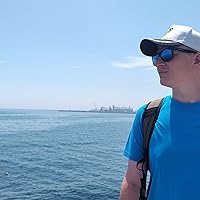
Autorul acestui volum, Oliver Lustig, a fost arestat de jandarmeria horthystă la 3 mai 1944, în comuna Şoimeni judeţul Cluj, internat în ghetou şi deportat cu întreaga familie, la Birkenau-Auschwitz. Mama, Iolanda, doi fraţi gemeni, Cornel şi Cornelia de 14 ani şi mezinul familiei, Valentin, de 8 ani au fost duşi de pe peron direct în camerele de gazare. Trupurile le-au fost mistuite de flăcările crematoriilor. Tatăl, Edmund, a fost ucis la Mauthausen.
Autorul a cunoscut, după Birkenau-Auschwitz, infernul lagărelor de concentrare Kaufering-4, Kaufering-9, Landsberg-1, toate aparţinând centralei de la Dachau.
Oliver Lustig, fostul Häftling nr. 112398, eliberat la 27 aprilie 1945, în Bavaria, la Landsberg de armata americană, s-a întors - în vara aceluiaş an - acasă, în România; şi-a consacrat toate cărţile evocării ororilor fascismului, păstrării - mereu vii - a memoriei martirilor holocaustului.
Oliver Lustig is a survivor of the concentration camp Birkenau-Auschwitz. Based on his testimony, here are a few highlights of the incredible ordeal he and his family went through.
"I was born in Romania, in the village of Soimeni, district of Cluj (a part of Northern Transylvania which at the end of August 1940 was annexed to Hungary under the Horthy Government).
In the early hours of May 3, 1944, in all villages and townships across Northern Transylvania, Horthy gendarme troops pounded with their boots and rifles on the door of every Jewish household. Within a few minutes, flimsily dressed, the frightened Jews were listening to their sentence in a single overcrowded room. The chief gendarme, more yelling than talking, declared that we had been arrested, stressing that whoever moved without permission would be liquidated on the spot... like a dog I will shoot him. Next day at dawn, carrying all our belongings in our arms, we climbed into carts pulled by oxes and the convoy surrounded by gendarmes started moving toward the Cluj ghetto. On the 6th of June, with the fifth lot from the Cluj ghetto, our entire family was deported. Three nights and four days later, on the 9th of June - the train stopped for good on the "Death Ramp" of Birkenau-Auschwitz. Myself (who was not yet 18), my brother Emilian (16) and my father Edmund (45) were sent to camp "E," barrack 19. After a few days, my father was sent to Mauthausen, from where he never returned. My brother Emilian and I were relocated to barrack 21, the so-called "Kinder Block" (the Children's Barrack). My eldest sister Eva, age 19, stayed only a few weeks at Birkenau, at the women's detention center "C". Later, her ordeal continued through the concentration camps of Kaiserwald, Dundaga, Stutthof, and Malchow from where she was liberated by the american army. At the end of September 1944, my brother Emilian and I were sent to successive K.Z.s subordinated to the Dachau central, starting with Kaufering 4, 9, then back to 4, and finally Landsberg. As long as I was in Birkenau camp "E", same as thousands of other 'Häftlings', I was not registered. When I walked through the gate of camp "E", we were counted and that number was added to the number of prisoners already inhabiting in the camp. Now, on the day of my arrival to the Kaufering 4 camp, I at last became an individual once again: I became 'Häftling' nr. 112398, and my country of origin was noted in the record. I was freed on April 27, 1945."
*** Upon his return from the deportation, the youngster Oliver Lustig completed that same year (1945) the last grade of high school, which he had missed due to the deportation. After passing the required exams, he attended the University of Cluj, "Economy Sciences" division. A few years after his graduation, he earned his PhD in Economy. In the interim, he started working as a journalist for the military. He retired from the military with the degree of general-major. Apart from with professional duties, he dedicated his entire career to preserving the memory of the events experienced during his youth, as eloquently reflected in the title of one of his volumes: "Once upon a time ... over there ... at Auschwitz". Mr. Lustig is a member of the Writers Union in Romania. He continues to write and, above all, strives to instill in the young generation (as well as their educators) the duty of always preserving the memory of the millions of innocent victims of the Holocaust, so that this unique and indescribable tragedy may never repeat itself.
Am cumpărat cartea săptămână trecută. O editie veche, prăfuită pe care scrie de mână "Pitești, aprilie/1991". Nu auzisem de Oliver Lustig, nici de cărțile lui. Nu știam la ce să mă aștept. Stiam doar că trebuie să cumpăr măcar o carte, iar bunicuța din fața mea spera același lucru. Si cum nu mă puteam hotărî, am rugat-o să-mi aleagă 2 cărți. Asta-i una dintre ele. Oliver Lustig, fostul prizonier 112398, a fost deportat în 1944, împreună cu întreaga familie, la Birkenau-Auschwitz. Si-a pierdut mama si frații in camerele de gazare, iar tatăl i-a fost ucis la Mauthausen. După eliberare, s-a întors în România și si-a consacrat cărțile evocării ororilor fascismului si victimelor holocaustului. Limbajul morții este un dicționar de termeni si expresii folosite în lagărele de concentrare naziste. Un dicționar al cruzimii, al bestialitații și sadismului. Este o întâlnire cu trecutul care te izbește violent cu fiecare pagina. Am simțit durere in fiecare parte a corpului, m-a cuprins o furie de nestăpânit si apoi am căzut pradă neputinței. Sunt oameni care au trăit teroarea, care au reușit să supraviețuiască și, mai mult, au reușit să dea, în mijlocul iadului, sens vieții. Sunt oameni " in care a fost ucis tot ce aparține de om", dar au supravietuit totuși ca oameni. " Nici cinismul, nici sadismul SS-istilor, nici chinurile din camera de gazare, nici focurile crematoriilor, nici foametea, setea sau frigul, nici schingiuirile, experiențele pe oameni vii sau execuțiile în masă, nimic n-a putut ucide speranța." Nivelul de degradare al minții omenești cuprins in aceste pagini este greu de acceptat. Nu știu dacă vă recomand cartea. Înclin spre nu. Mi-a obosit sufletul.
„În lagăr, viața nu avea nicio valoare. Fiecare obiect, orice produs își avea prețul său. La bursa neagră toate erau cotate. Cu o singură excepție: viața omenească. Ea n-avea niciun preț.”
Știu, nu sunt corect față de această carte-document, care prezintă, poate cu prea multe amănunte, ororile prin care au trecut semeni de ai noștri, a căror singură "vină" era faptul că s-au născut evrei. Pe de altă parte, este foarte bine că astfel de cărți există, poate-poate vom învăța ceva din ele. Chit că istoria se repetă...
Printre primele carti citite ca si copil. A fost poarta spre lumea monstruoasa a nazistilor. Foarte bine documentata, si totodata crunt cutremuratoare. Iti e si greu sa crezi de ce e in stare mintea umana...