

What do you think?
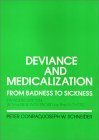
Deviance and Medicalization: From Badness to Sickness : With a New Afterword by the Authors
This classic text on the nature of deviance, originally published in 1980, is now reissued with a new Afterword by the authors. In this new edition of their award-winning book, Conrad and Schneider investigate the origins and contemporary consequences of the medicalization of deviance. They examine specific cases—madness, alcoholism, opiate addiction, homosexuality, delinquency, and child abuse—and draw out their theoretical and policy implications. In a new chapter, the authors address developments in the last decade—including AIDS, domestic violence, co-dependency, hyperactivity in children, and learning disabilities—and they discuss the fate of medicalization in the 1990s with the changes in medicine and continued restrictions on social services.
Hardcover
First published May 31, 1980
About the author
Peter Conrad
130 books29 followersLibrarian Note: There is more than one author in the GoodReads database with this name. See this thread for more information.
Ratings & Reviews
Friends & Following
Create a free account to discover what your friends think of this book!
Community Reviews
Displaying 1 - 4 of 4 reviews

October 12, 2014
... oh my god that took me forever.

November 16, 2018
Very historical and informative book concerning sin, crime, and sickness.

December 22, 2025
This book made me think critically about how and why the sickness label is applied to different populations. As explicit moral judgment has given way to implicit medical morality, medical authorities have gained the power to define deviance through diagnosis. The most fascinating example I've found of this is how abortion, a common practice prior to the mid-19th century, was demonized by the AMA through a convergence of moral beliefs, anxieties about declining white Protestant birthrates, and efforts to secure professional monopoly over midwives and other competitors.

January 22, 2025
conrad is the man #rip
Displaying 1 - 4 of 4 reviews