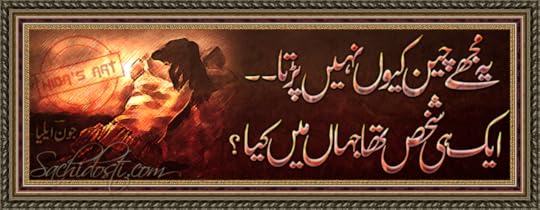
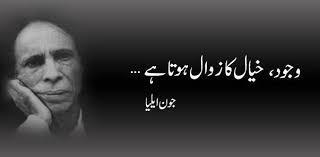
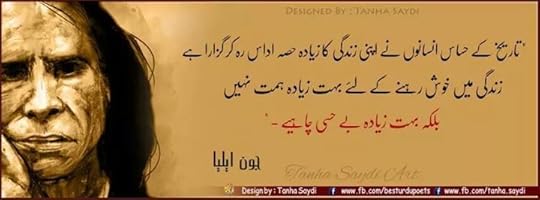
Jaun Elia was a notable Pakistani Urdu poet. He was widely praised for his unique style of writing. He was the brother of renowned journalist and psychoanalyst Rais Amrohvi and journalist and world-renowned philosopher Syed Muhammad Taqi. He was husband of famous columnist Zahida Hina. He was a man of letters, well versed in Arabic, English, Persian, Sanskrit and Hebrew.
Jaun Elia was born on December 14, 1931 in an illustrious family of Amroha, Uttar Pradesh. He was the youngest of his siblings. His father, Allama Shafiq Hasan Elia, was deeply involved in art and literature and also an astrologer and a poet. This literary environment modeled him along the same lines, and he wrote his first Urdu couplet when he was just 8.
Jaun was very sensitive in his early teen age. His preoccupations in those days were his imaginary beloved character, Sophia, and his anger at the English occupiers of India. He used to do dramatic presentations of the early Muslim period, and hence his knowledge of Muslim history was recognized by many. According to him, his early poetry reflected the dialogue nature of stage drama.
A close relation of Elia's, Syed Mumtaz Saeed, recalled that Elia also went to Syed-ul-Madaris in Amroha, a Madressah (Koranic school). "Jaun had a way with languages. He could learn them effortlessly. Apart from Arabic and Persian that he had learnt at the Madressah, he acquired great proficiency in English and a smattering of Hebrew."
During his youth, the united India was involved in a Muslim-Hindu feud, which led to the partition of the country on religious lines once British rule ended. Being a Communist, Elia was averse to the idea, but finally accepted it as a compromise. Elia migrated to Pakistan in 1957, and made Karachi his home. Before long, he became popular in the literary circles of the city. His poetry, which bears ample testimony to his wide-ranging reading habits, won him acclaim and approbation. Poet Pirzada Qasim said: "Jaun was very particular about language. While his diction is rooted in the classical tradition, he touches on new subjects. He remained in quest of an ideal all his life. Unable to find the ideal eventually, he became angry and frustrated. He felt, perhaps with reason, that he had squandered his talent." He was a prolific writer, but could not be convinced to publish his work. His first poetry collection Shayad (an Urdu word which means "Maybe") was published in 1991, when he was 60. The poetry presented in this collection added Jaun Elia's name in the Urdu literary canon forever. Jaun Elia's preface in this collection provided deep insights into his works and the culture within which he was expressing his ideas. The preface can also be considered as one of the finest examples of modern Urdu prose. It covered his intellectual evolution in different periods of time, and his philosophy of poetry, science, religion, etc. The second collection of his poetry Ya'ani was published posthumously in 2003 . Afterwords Jaun's trustworthy companion Khalid Ansari has compiled and published his three consecutive collections, “Gumaan” (an Urdu word which means "Illusion") in 2004, “Lekin” 2006 and “Goya” 2008, one more collection ‘Kyon’ is now under processing.
An eminent Urdu literary critic, Dr. Muhammad Ali Siddiqui has called Jaun Elia one of the three most eminent ghazal poets of Urdu of the second half of the twentieth century.
Jaun Elia was an unabashed open anarchist and nihilist in generally a conservative and religious society. His elder brother, Rais Amrohvi, himself a poet and influential intellectual, was brutally murdered , and ever after his death, Jaun was conscious about what he would say in public.
Jaun was also involved in translation, editing and other activities. He briefly worked as an editor with Ismaili Tariqah and Religious Education Board (ITREB), in
There are only two possibilities after reading juan's work, Either you will love him or discard him completely. Jaun won't take you with him but you will have to keep pace with him.
WOW! Wonderful Collection of Jaun Poetical work! <3
This is Second book of Poetry By Jaun Elia which was published After his Death in 2003. It has 63 Ghazals and 14 Nazams. After reading this I must say it has some best poetry By Jaun specifically Ghazal section. It also contain two best poems said by Jaun; درختِ زرد and ولایتِ خا ئباں. These two poems are very long and needs great attention of the reader. Darakht e Zard, It’s a dialogue with His Son Zaryoon, In which he describes many things to him including Jaun's Childhood, society literature , Zaryoon and his forefather's life as well. While in the second poem its like a visit to some town and descibes different things that are done in that town. Many matphores are used in both poems.
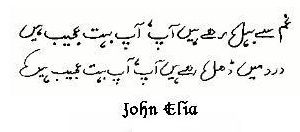
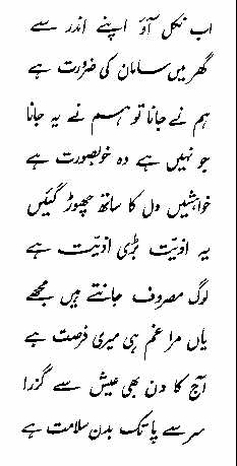
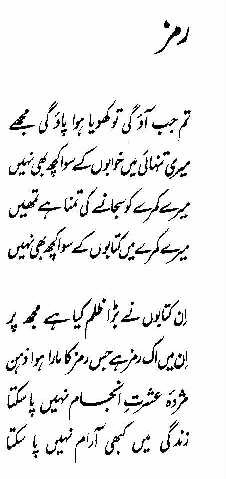
Some Poetry From this Book:
Well now I would like to write some on jaun himself!
JAUN ELIA! Jaun Elia was a Pakistani Urdu language poet, philosopher, biographer, and scholar. He belonged to illustrious family of Amroha. His father, Allama Shafiq Hasan Elia, was deeply involved in art and literature and also an astrologer and a poet. This literary environment modeled him along the same lines, and he wrote his first Urdu couplet when he was just 8. His First couplet; چاہ میں اس کی طمانچے کھائے ہیں دیکھ لو سرخی میرے رخسار کی
میں جانتی ہوں کہ تم سُن نہیں رہے میری بات سماج جھوٹ سہی، پھر بھی اُس کا پاس کرو
ہو تم بلا کے بغاوت پسند، تلخ کلام خود اپنے حق میں اِک آزار ہو گۓ ہو تم
میں تو کب کا گزر چکا خود سے تم بھی خود سے گزر تو سکتی ھو کوئی درمانِ دل نہیں لیکن تم میری جان !! مَر تو سکتی ھو
ہائے وہ شوق جو نہیں تھا کبھی ہائے وہ زندگی جو تھی ہی نہیں
ابھی اک شور سا اٹھا ہے کہیں کوئی خاموش ہوگیا ہے کہیں
He was a man of letters, well versed in Arabic, English, Persian, Sanskrit and Hebrew. He knew how to play with words. That is why he is widely praised for his unique style of writing.
He acquired encyclopedic knowledge of philosophy, logic, Islamic history, the Muslim Sufi tradition, Muslim religious sciences, Western literature, and Kabbala. He also synthesized this knowledge into his poetry that also differentiates him from his modern contemporaries.
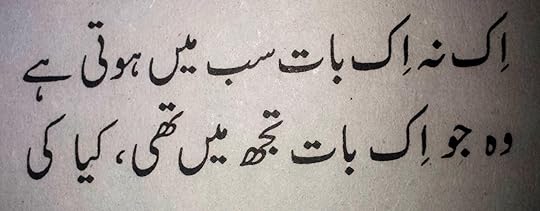
اک نہ اک بات سب میں ہوتی ہے وہ جو اک بات تجھ میں تھی، کیا ہوئی
~
زمیں تو کچھ بھی نہیں، آسماں تو کچھ بھی نہیں اگر گماں نہ ہو، درمیان تو کچھ بھی نہیں
~
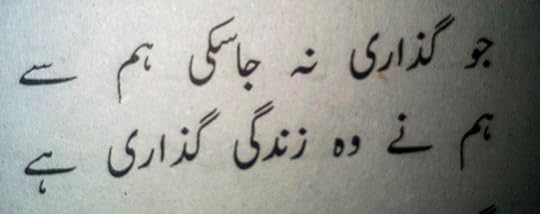
جو گزاری نہ جا سکی ہم سے ہم نے وہ زندگی گزاری ہے بن تمہارے کبھی نہیں آئی کیا مری نیند بھی تمہاری ہے
~
کیسا دل اور کیا غم جی یونہی باتیں بناتے ہیں ہم جی اس سے اب کوئی بات کیا کرنا خود سے بھی بات کیجیے کم کم جی
~
تو کیا سچ مچ جدائی مجھ سے کر لی تو خود اپنے آپ کو آدھا کر لیا بہت نزدیک آتی جا رہی ہو بچھڑنے کا ارادہ کر لیا کیا
~
اک دوپہر کا قصہ ہے جب شہر وہ ہم نے چھوڑاتھا اس کے بعد کچھ ایسی بیتی، شام شرابوں کے تھے ہم
~
ہنگامہ نشاط طبیعت بھی جبر ہے شاید کہ اختیار کی حالت بھی جبر ہے ہم سے ہماری جنبش لب کا حساب کیا ہے شکر جبر اور شکایت بھی جبر ہے
~
بھلایا اس نے کس کس کو نہ جانے میاں، یہ دل بڑا بے درد نکلا
~
اک عجب آمد و شد ہے کہ نہ ماضی ہے نہ حال جون، برپا کئی نسلوں کا سفر ہے مجھ میں
~
جانے کس قدر بچے گا وہ اس سے جب ہم گھٹائیں جایئں گے میری امید کو بجا کہ کر سب مرا دکھ بڑھاے جایئں گے ہم جو اب تک نہ پاے گئے کن زمانوں میں پاے جایئں گے ہوگا جس دن فنا سے اپنا وصال ہم نہایت سجاے جایئں گے
Yaani review: Jaun should be read in his books, not on Facebook and YouTube…
Yaani
By “Jaun Elia”
Yaani is Jaun’s 2nd published work among the 4 of his poetry books (there is Farnood as well which is a collection of his essays). Shayad was the first ever published work of Jaun, and the two that were published after Yaani, are Gumaan and Goya. As expected from Jaun through his undeniable popularity among the young poetry fans of today, this book is beautiful and varied collection of some of his best lines and ghazels (Zard-Dirakht being a very notable one; page 183).
Since I have not yet reviewed any poetry book, let alone a poetry book in Urdu and that of Elia, I am not quite sure as to how I will go about this review. Should I talk about this book by extracting the meanings of some of my most favorite lines and ghazels in it, or should I talk about Elia in general for there is so much to be told about him and be praised. I think I would go with the portions from both talks: more from the discussion about Elia and his poetry, and some from this book in particular. Since the poetry in this book is diverse and touches many ideas and emotions, it would be terribly difficult and tiresome to specifically talk about this book only. On the other hand, writing about Elia and his uniqueness in poetry writing and reciting, would nevertheless continue throughout my four reviews of his four poetry books.
Yaani, when translated comes out as ‘like (this or that)’ and this is where I would like to start my review, or my debate on Elia. Elia is a poet of ordinary language; he writes in the tongue of lay people. And while this characteristic of his has contributed hugely to his posthumous popularity on the social media and amongst the conversations of the young poetry fans, it has also lead to him being unfairly misunderstood and therefore, not heartedly recognized or praised. I meet people who either take mere pleasure out of Jaun’s typical yet deep lines, or people who completely see him as an insignificant figure (in other words – people who hate him).
Therefore Yaani is so important of a word to rescue Elia’s integrity and status among the cruelly ignorant fans of poetry. I believe each of his poems and poetries, even the most typical ones (or especially the most typical ones) requires us to not only take mere bits of joy from the way they are told and written, or even recited by the great performer himself, but to take it from our ears and put right into the depths of our mind and hearts to be processed, felt and understood. That’s where Jaun’s greatness would reveal itself; that’s why we need to explain that Jaun has meant it ‘like this or like that’.
Jaun is a man who himself claimed, and even wrote it on his tombstone, that he destroyed himself yet didn’t even felt guilty for it. We owe a great deal to these brave figures who despite having every bit of choice to lead a normal, comfortable life with the set of normal sufferings that a man goes through, nevertheless chose something far greater to pursue and spend their entire lives on. Of course, he shouldn’t feel guilty about it – he has done us a great, great service. He is there by ranks of Einstein, Gibran, Rumi and other nominal figures.
But for a poetry fan, professionally or typically, Elia wouldn’t reveal himself in his very ordinary set of words that are so easy on our ears, unlike those of Iqbal, and easy to follow through, and then share it online; he would reveal himself in the depths of the ideas, emotions, intensity and quiet sarcasms behind those typical lines. And for that to be understood and felt, one has to take him with, even, a bit of that seriousness and sincerity that Elia possessed when he lived his nights and the evenings of his days, with a bottle in his hand, writing these lines. In Elia’s maddening passion and eloquent thoughts we can aloft ourselves to the greatest heights of pleasure & pain and introspection.
Perhaps he knew it himself, probably when he had written something that even surprised him, (like: fala’n-sey-thi-ghazal-behtar-fala’n-ki / fala’n-ky-zaakhm-achey-thy-fala’n-sy: page 42 *translation: his poems were greater than him / for his wounds outmatched him) that he wrote: mein-jo-hun-Jaun Elia-hun-janab / is-ka-behad-lihaz-kijiye! (*translation: I that I am, am Jaun Elia / be very considerate of this). And I love Jaun for this. It is something we should all do in our everyday lives; we should remind others who we are and have become, and what do we actually mean to them. It is such an indifferent and cruel act to just wait for them to value us, while we could leave them forever at any moment – like we lost Elia and now we are worshipping him.
Jaun has his complaints, his ideas, his flirtatious histrionics, his unbeatable passion, his neediness for attention, his shameless way of reciting his poems, his very overt feelings for those dear to him, his desire for human interaction and love for human connection, his stubborn thoughts and also his betrayal towards those thoughts, his bravery to perish everything in his way and also his humbling defeats when his ambitions outweighed the possibilities of reality; Jaun is a person to be studied, consoled and above all loved, both physically which is no more possible (and which wasn’t quite provided then as well) and more importantly, intellectually which is now possible more than ever before.
I will talk about some of the traits of Elia that I touched just now in my further reviews of his other three books. This review in particular is more of an introduction of my depth of understanding of his eloquence and reached-ness. I want to transform all the shallow and unworthy praises of Elia’s blind followers by inviting them to open their eyes to the greatness of the poet who we all love in such an unfair manner; but rather importantly, I want to give out a message to those who talk less of Jaun and discredit him for being meaningless, useless, shallow, depressive, popular but not great, and many other painful things. You are all living under his shadow, come to the front and see his shining figure; I invite you.
An excerpt:
*translation: “he often addressed his close colleagues by showing the drafts of Yaani: Dear (Jaani)! Is this better than Shayad? Dear! Will it leave Shayad behind?”
I am no close colleague of Jaun, but I am his true admirer, and to his innocent, needy, and adorable questions I would say: Hazrat-e-Jaun! You have outsmarted yourself in every next set of lines and ghazels of yours; we love you. And before I close my debate/review, I want to note down some of my favorite ghazels and pages (because it’s time-consuming to write down the poems) from Yaani:
Bohot-dil-ko-kushada-kar-lia-kia: page 39
Janey-kis-qadar-bachey-ga-wo: page 58
Pages 80 to 91
Pages 125 to 132
Ye-gham-kiya-dil-ki-adat-hai: page 136
Qat’aat: ghazel (page163)
Mere Ghussy K Baad: ghazel (page 168)
Abas: ghazel (page 170)
Safar K Waqt: (page 176)
Jaun! Tumhy Ye Daur Mubarak Ho: ghazel (page 179)
Zard Dirakht: ghazel (page 183)
My praise for the book:
Jaun will meet you at your wits end… Only to expand it further.
'Yani' is Jaun Elia’s second collection of poetry, and it is every bit as splendid as 'Shayad'. In certain respects, it feels denser and more introspective, demanding a slightly slower, more attentive reading. While I would still rate it a notch below 'Shayad', the book remains a deeply rewarding experience. Overall, 'Yani' is a genuine pleasure for admirers of Jaun Elia’s distinctive voice and emotional intensity.
This was my first time reading Jaun Elia's poetry, so read my review with a grain of salt.
Jaun's poetry is not for the faint-hearted, he takes you by the hand and submerges you in a world of discomfort. The book leaves the reader with a sense of loss, pain, and uneasiness. His writing can make you do a double-take as the meaning of his words sinks in, especially dealing with the themes of lust and longing for his beloved (it takes getting used to if you're not familiar with these themes in Urdu writing.)
All that being said, my review boils down to this single sentence: Jaun has a way with words, that breaks your mind away from the mundane and leaves your soul in a state of uneasiness.