An outstanding overview on global warming--and what we can do about it--from a distinguished world-class authority
Climate change is the single biggest problem that humankind has ever had to face, as we continue with lifestyles that are way beyond the planet's limits. Mayer Hillman explains the real issues: what role technology can play, how you and your community can make changes, and what governments must do now to protect our planet for future generations. In The Suicidal Planet, he proposes:
- A ceiling on greenhouse gas emissions by the world's governments
- Global carbon rationing to reduce our individal carbon outputs to a fair and ecologically safe level
- Helpful guidelines for the home, travel, and leisure
- And much, much more.
Featuring the very latest information on global warming completely revised to include U.S. facts and figures, The Suicidal Planet takes us out of the problem and into the solution of our international crisis.
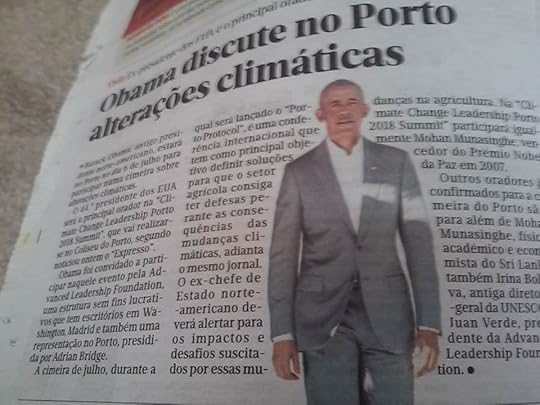
Still, we're doomed. Are we?? I hope not. In July, in Oporto's "Climate Change Leadership Porto 2018 Summit", Obama* will provide answers**. Hopefully.
And there's the solution out there, yet 👽
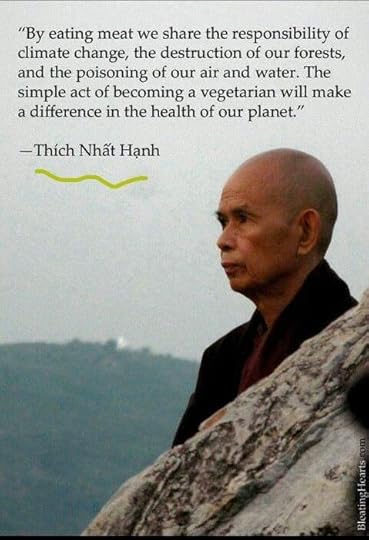
* I hope he won't say "stop eating meat"; someone has already said it:
**Cost: Half a million Euros. No interviews, please.
This is a very upsetting book to read, basically because the authors are saying that we of the developed nations have blown it, as far as environmental protection is concerned. They give a quite good precis of the state of the global crisis, the U.S. governmental response up through the Bush administration, erroneous perceptions on the part of the public and how they have been perpetrated, and just about everything you will ever need to know about climate protocols and treaties. What sets this book apart is thar it makes concrete recommendations for the future, both on the personal and governmental levels. For individuals, they recommend the institution of a yearly carbon allowances for every person in the world. For governments they think that a universal policy of contraction and convergence be implemented.
In my everyday life, probably the biggest area where I will consider making changes is taking airplanes. There is no national policy concerning air travel and the ecology of the planet on any governmental level, which astonished me. A single trip from Miami to New York takes up most of one person's carbon allowance for one year.
This is not easy book to read, but it is worth the effort. The way things are going, though, it will probably take a slew of natural disasters on the magnitude of Katrina before we as a society will be willing to make the lifestyle changes that will inevitably be foisted upon us if we don't seriously start working toward reversing carbon emissions to save this planet.
After reading this I feel a bit down. Maybe all books with the word "Suicidal" in their title are not uplifting.
To be fair, this book was well done and explained many details of Kyoto and carbon reductions that are necessary.
I want the earth to be able to sustain life indefinitely. I guess it wouldn't be a big deal if there were lots of planets with evolved life on them, but there aren't. There's just this one. That's it. If we ruin it, then it's back to the drawing board of evolution which takes billions of years to get to this level of complexity IF we can assume that this kind of complexity would, or could, ever happen again.