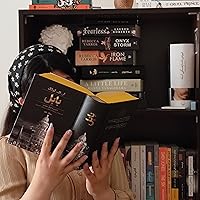
باران بر سرمهٔ حجازی چشمانت میبارد. و من در میان میدان کنکورد سراسیمه بر جا میایستم. پاریس همراه با من سراسیمهوار مضطربم میسازد. حکومتی سقوط میکند، و حکومتی تازه میآید. مجلات فرانسوی از پیشخان روزنامهفروشی و رومیزیها از میز قهوهخانهها به پرواز درمیآیند. و گنجشکان از چشمان عربیات، پناهندگی میگیرند.
Nizar Tawfiq Qabbani was a Syrian diplomat, poet and publisher. His poetic style combines simplicity and elegance in exploring themes of love, eroticism, feminism, religion, and Arab nationalism. Qabbani is one of the most revered contemporary poets in the Arab world, and is considered to be Syria's National Poet.
When Qabbani was 15, his sister, who was 25 at the time, committed suicide because she refused to marry a man she did not love. During her funeral he decided to fight the social conditions he saw as causing her death. When asked whether he was a revolutionary, the poet answered: “Love in the Arab world is like a prisoner, and I want to set (it) free. I want to free the Arab soul, sense and body with my poetry. The relationships between men and women in our society are not healthy.” He is known as one of the most feminist and progressive intellectuals of his time.
While a student in college he wrote his first collection of poems entitled The Brunette Told Me. It was a collection of romantic verses that made several startling references to a woman's body, sending shock waves throughout the conservative society in Damascus. To make it more acceptable, Qabbani showed it to Munir al-Ajlani, the minister of education who was also a friend of his father and a leading nationalist leader in Syria. Ajlani liked the poems and endorsed them by writing the preface for Nizar's first book.
The city of Damascus remained a powerful muse in his poetry, most notably in the Jasmine Scent of Damascus. The 1967 Six-Day War also influenced his poetry and his lament for the Arab cause. The defeat marked a qualitative shift in Qabbani's work – from erotic love poems to poems with overt political themes of rejectionism and resistance. For instance, his poem Marginal Notes on the Book of Defeat, a stinging self-criticism of Arab inferiority, drew anger from both the right and left sides of the Arab political dialogue.
ای خدااا✨✨🫠 به شدت ناز نازی و قشنگ بودن مخصوصا اگه هر از چندگاهی برید فقط یه شعرشو بخونید میچسبه به جونتون☕🫀🌻🦋 «چشمانت دو گنجشک دمشقی که بین دو دیوار پرواز میکنند. و دل من مانند کبوتری کوچک در افق آبی دستانت کوچ میکند و زیر سایه ی دستبند هایت به خواب نیمروز میرود .»
«من زیر درختان بید نشسته ام و مینگرم به تمدن هایی که زیر مژگان چشمانت میگذرند...»
«از چشمانت باغ های گسترده نخل چون خورشیدی از نیلوفران آبی طلوع میکند. از چشمانت شراب و گندم و پنبه و انبه پدید میآید. چنانکه از کنار تو معجزات سر برمیآورند »
نزار قبانی همه چیزو فانی میدونه جز عشق که همیشه زنده و زندگیبخش باقی میمونه: «همواره به شما می گویم تنها عشق است که می ماند» از نظر نزار، عشق شفاست. عشق اکسیر حیاته. و بدون اون، زمین و زمان دروغ بزرگیه. و همینطور عشق رو گناهی شاعرانه میدونه! که یکبار مرتکبش شده اما هزاران بار باید بهخاطرش مجازات شه. «بیست سال که بر آستان عشق ایستادهام و هنوز نیز این راه برای من ناشناخته است یک بار قاتل بودهام اما همیشهی روزگار کشته شدم.» در لحظات زیادی باهاش موافقم که میگه: «ما گل عشق را میکاویم در روزگاری که عشق را نمیشناسد»
دوست دارم بیشتر از نزار قبانی بخونم و مشتاقم بیشتر بشناسمش.
«در زمرهی کتابهایی که توی دورهی جنگ و قطعی اینترنت خوندم» اوکی الان فهمیدم این دلقکبازیای «چشمهایت هیتلرِ نازی بود و دل من لهستان بیدفاع» و اینا از کجا میاد. اصلاً این سبک از رمانتیسیسم مال جناب نزار قبانی گل و گلابه که ایران رو هم شخم زده با شعراش. شعرای خوب هم توی این مجموعه پیدا میشدن، ولی خب اکثرن همون افراط در رمانتیسیسم بود.