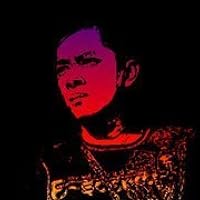
The main body of this work is a translation of Jawa Yuki and Jagatara Yuki written by Lord Tokugawa Yoshichika (1886-"1976), or Marquis Tokugawa, about his travels to Java in 1921 and 1929. Seen through the eyes of an enlightened liberal Japanese aristocrat, who was educated as a biologist and historian, the reader is provided with a unique portrayal of Dutch colonial society, the splendour of Javanese sultanates and the social life of the Japanese community in Java, as well as detailed descriptions of the island's abundant nature and rich cultural heritage. This travelogue is a welcome addition to contemporary Western views of colonial Java and obliges current academic scholarship to reconsider its premises about the pre-war social relations between the Japanese and indigenous society within the Dutch colonial theatre state. The diary is preceded by an introduction placing the author and his book in a historical setting. A large number of carefully selected photographs depicting Marquis Tokugawa's journey have also been reproduced. Marquis Tokugawa (Lord Tokugawa Yoshichika, 1886-"1976) was the 19th heir of the Owari-Tokugawa, the branch of the Tokugawa family which established the Shogunate in the early seventeenth century and ruled Japan until the Meiji Restoration of 1868. Unlike many of his peers from a similar aristocratic warrior background, he did not enter the diplomatic service or embark on a military career, but read history and biology at Tokyo Imperial University. He founded the Tokugawa Institute for Biological Research (1918) and the Tokugawa Institute for History and Forestry (1923), and established the Tokugawa Art Museum in 1931. During the 1920s, he made several tripsto British Malaya and Java and became acquainted with the Sultans of Johor and Yogya and the Susuhunan of Solo. A liberal and humanist, he offered himself as a civilian officer of the Japanese 25th Army in Singapore for the post of Supreme Consulting Advisor. During his tenure, he designed the military administration's ethnic minority policy. After the war, he became involved in many public undertakings, headed schools and was the chairman of many companies. His compassion for the handicapped and under-privileged was well known and gained him wide respect. He died on 6 September 1976 at the age of 89.
This book gives me a new perspective about my country and its (native) people back in 1920s. Though it's kind of sad every time he mentioned the native people as 'jongos' lol. However, it feels good to read a travel journal from a scientist point of view. Marquis Tokugawa could describes something objectively and scientifically (sometimes).
Buku yang berisi catatan perjalanan ini ditulis secara ringan oleh Marquis Tokugawa.
Ia adalah seorang ahli botani dan juga seorang keturunan dari Shogun Tokugawa yang berkuasa di jepang dari abad ke-17 sampai restorasi meiji pada tahun 1868. Marquis datang ke Jawa dalam rangka Kongres Ilmu Pengetahuan Pasifik Ke-4 yang diadakan di Bandung oleh pemerintahan kolonial Hindia Belanda.
Ia berangkat menuju Jawa menggunakan Kapal Uap dan mendarat di Jakarta. Marquis menghadiri pembukaan kongres di Jakarta dan acaranya di Bandung.Selain itu ia dan rombongan juga berkarya wisata ke berbagai tempat di pulau Jawa, diantaranya yaitu Pulau Krakatau, Bogor, Garut, Cilacap, Yogya, Solo, Surabaya dan Bromo.
Banyak dari catatan perjalanannya ditulis dengan apa adanya dari sudut seorang pengelana disuatu negeri yang baru dilihatnya. Catatannya detail dan sempurna menggambarkan bagaimana suasana Hindia saat itu. Dapat kita bayangkan bagaimana indahnya suasana kota - kota Indonesia jaman dahulu. Inilah mengapa Indonesia sering disebut sebagai Mooi Indie atau Hindia yang cantik jelita.
Di salah satu catatannya tentang Kebun Raya Bogor tertulis bahwa ia sungguh terkesan dengan indah dan lengkapnya pusat studi botani tropis terhebat diseluruh dunia jaman itu. Ia sampai - sampai mengatakan bahwasanya para peneliti mungkin sama seperti berziarah ke tempat ini minimal sekali dalam hidupnya.
Juga bagaimana ia terkesan akan keindahan dan keramahtamahan Kraton Jogja dan mengatakan ia seperti dalam kerajaan dongeng di belahan bumi selatan.Namun ia juga mengatakan bagaimana ia merasa kesepian ditengah keindahan Hindia akibat keterbatasan
komunikasi dengan penduduk lokal. Ini pula yang mengakibatkan beberapa kejadian lucu dalam perjalanannya.
Secara keseluruhan buku ini dapat membawa kita kembali ke suasana Hindia Belanda yang permai dan elok. Hindia yang masih belum banyak tercemar dan rusak. Hindia yang masih
menampakkan karakter manusianya yang asli.Ini juga ditunjang dengan foto - foto lama dari perjalanannya. Sayang memang, akibat kualitas cetak yang sedikit buruk, fotonya terkadang kurang dapat dilihat jelas.