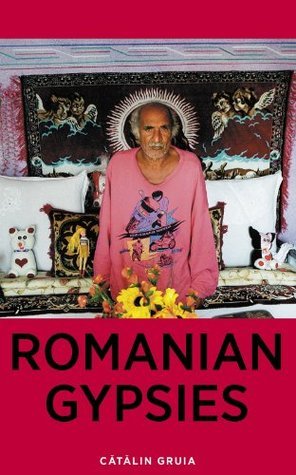
RAW GYPSIESNine true storiesLimbos and another seven or eight Gypsies from Mocirla (“The Swamp”), on the outskirts of Romanian town Buhusi were at old Sava’s pub again last night, gathered around a 2 $ bottle of liqueur. One of them had just come back from a very big guy, with a tight shirt, with a mean face, with expressionless, predatory eyes that looked you right in the brain. And they were celebrating this interlop’s return home. Then, another one came down from the hill, with clay on his head, dead tired. He had worked all day at sticking together a house with clay for 3 $. And with that 3 $, he bought everyone “Drink up guys, ‘cause now I have money!” The conversation that followed was hypothetical – although the most frequently pronounced word was “da burli” (fuck) – about what was better for a Gypsy: to steal and cash in big all at once or to work honestly for close to nothing?Wherever you are in Romania, – in any city or village –, if you take a 30 minute walk in any direction, you’ll find a community of poor Gypsies.Beside a minority that got rich exploiting barely-legal economic opportunities, for more than two thirds of some 1 million Romanian Gypsies, the tumultuous years following the fall of communism meant a transition towards hopeless poverty, delinquency, and violence. They were among the first laid off during the restructuring of the 1990s and many did not manage to get rehired. About 70% of the Gypsieslive from Minimum Income Guarantee (financial aid from the State) and occasional activities. 80% have no profession.Life in the SwampLike Mocirla (“The Swamp”), almost every poor Gypsy community is affected by the same “shortages” when it comes • jobs • income • education • access to medical services • identity cards • property titles • dirty, overcrowded housesWho are these Gypsies?This is a story about what it’s like to be a Gypsy (Roma) in Romania. A story told by the Gypsies themselves. For their protection (and my own), the names of the places and of the characters have been changed. Over 14 hours of interviews were edited for concision and clarity. Certain regionalisms, flagrant language and grammar mistakes were straightened out here and there. Author Catalin Gruia is a veteran journalist who has written and reported for over 20 years for the Romanian edition of National Geographic. Cover Photo by Bogdan Croitoru
I found this book by accident a long time ago but I never read it until now and I couldn’t be happier! I really wished to have read it in Romanian but the English version didn’t disappoint.
Even though the book is quite short, I enjoyed every single story which is So TRUE (just as the author titled it). As a Romanian, I never ever looked at things the way Catalin Gruia did and everything he wrote was so informative and eye-opening to me, which inspired me to read more of his books in the future.
The 9 stories are narrated which such honesty in such a raw way, that I felt I was actually there with the gypsies. I learned to be more tolerant about gypsies, in general, and I was VERY TOUCHED to also learn about their perspectives as well. I had no idea about their lives before the Revolution and now... I look at things so differently.
This book changes you. I recommend it not only to other fellow Romanians but also to the rest of the world who have prejudices against the gypsies (like I had). Its an eye-opening read.
I was doing some research on the Gypsies when I came across this book. A short book (less than 100 pages depending on the font size used on your e-reader) packed with vignettes of living in Romania as a Gypsy. Some stories were sad, while others left me with moments to reflect about life after the fall of communism. A diamond in the rough as a non-fictional resource about a culture rich in history and ethnicity.