This Companion offers a wide-ranging and innovative guide to one of the most exciting and important periods in British theatrical history. The scope of the volume extends from the age of Garrick to the Romantic transformation of acting inaugurated by Edmund Kean. It brings together cutting-edge scholarship from leading international scholars in the long eighteenth century, offering lively and original insights into the world of the stage, its most influential playwrights and the professional lives of celebrated performers such as James Quin, George Anne Bellamy, John Philip Kemble, Dora Jordan, Fanny Abington and Sarah Siddons. The volume includes essential chapters about eighteenth-century acting, production and audiences, important surveys of key theatrical forms such as tragedy, comedy, melodrama and pantomime as well as a range of exciting thematic essays on subjects such as private theatricals, 'black' theatre and the representation of empire.
Unlike the fatally womanish medium of novels, the theatre in Georgian London was serious stuff. Sessions of Parliament were sometimes postponed because they clashed with a big opening night; when ticket prices went up at Covent Garden, the ensuing riots lasted for sixty-five days. Big-name actors were the megastars of the day, rivalled only by the celebrity prostitutes with whom, in some circles, they were conflated (Lavinia Fenton, who starred in The Beggar's Opera, was bitchily said to have ‘raised her price from one guinea to 100’ after its success).
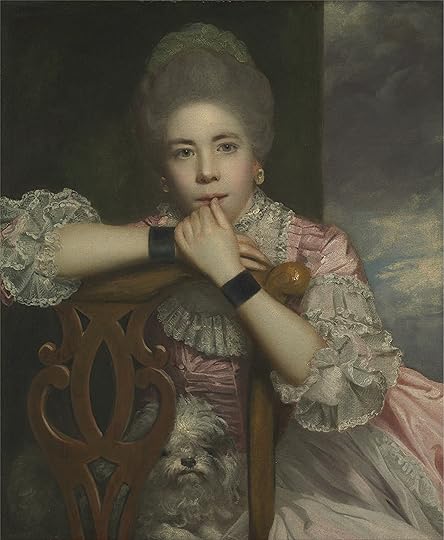
Joshua Reynolds, ‘Mrs Abington as Miss Prue in "Love for Love" by William Congreve’
I got this collection of essays for a couple of specific issues, but I ended up reading the whole thing. It has some particularly interesting contributions on the behaviour of audiences, the reputation of actresses, the role of pantomime and opera in London theatres, and the significance of private theatricals (as famously, if abortively, detailed in Mansfield Park). The final chapter is a generous tour through the existing bibliography told in running prose: invaluable for further research.