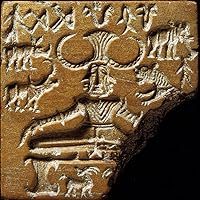
One of the three great gods of Hinduism, Siva is a living god. The most sacred and most ancient book of India, "The Rg Veda," evokes his presence in its hymns; Vedic myths, rituals, and even astronomy testify to his existence from the dawn of time. In a lively meditation on Siva--based on original Sanskrit texts, many translated here for the first time--Stella Kramrisch ponders the metaphysics, ontology, and myths of Siva from the Vedas and the Puranas. Who is Siva? Who is this god whose being comprises and transcends everything? From the dawn of creation, the Wild God, the Great Yogi, the sum of all opposites, has been guardian of the absolute. By retelling and interweaving the many myths that keep Siva alive in India today, Kramrisch reveals the paradoxes in Siva's nature and thus in the nature of consciousness itself.
'[...] tutto ciò che è proprio delle creature viene distrutto in coloro che prendono il voto Pāśupata, il quale si fonda sulla conoscenza del fatto che l'esistenza è un rapporto fra consumatore e consumato. Il fuoco è consumatore, mentre il Soma, l'essenza della vita, è la sostanza consumata. Le ceneri sono la potenza stessa di Śiva. Tutto ciò che diventa cenere, diventa sacro.'
'Temendo di averla perduta, si domandava dove mai l'avrebbe ritrovata. Satī lo consolò dicendogli che la si poteva trovare in ogni tempo, in ogni luogo, in ogni essere. Non c'era nulla nell'universo in cui non la si potesse trovare. Poi Satī tacque e ridivenne calma. Seduta per terra, meditò su Śiva. Controllò il proprio respiro. Il fuoco interiore yoghico consumò il suo corpo. Le ceneri rimasero al suolo.'
'Satī e Śiva sono uniti come una parola e il suo significato.'