Every congregation needs to determine how it will organize to best proclaim the Gospel, administer the Sacraments, and care for its members. While organizational details are never the main thing, if the mission and ministry of the Church is to advance, leaders need to give attention to organizational matters.
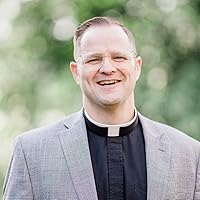
Rev. Dr. David J. Peter, a professor of practical theology at Concordia Seminary St. Louis, draws upon more than 20 years in the parish, experiencing the realities of pastoral ministry and insights from students, practicing pastors, and others about the realities of administration and leadership in congregations.
Dr. Peter identifies the theological and practical reasons for organizing staff, lay officers, and congregational volunteers. He presents three dominant models for organizing churches and carefully examines the advantages and disadvantages of each.
Pastors, professional staff workers, congregational officers, church council members, board members, and students preparing for parish ministry, will gain insights and best practices for more effective leadership of their churches.
About the Author
Dr. David J. Peter has spent twenty-three years in the parish, experiencing the realities of pastoral ministry and researching congregational dynamics. As a professor of practical theology and the dean of faculty at Concordia Seminary, St. Louis, he regularly leads courses for practicing pastors. He has also gained many insights from students about the realities of administration and leadership in congregations.
Dr. Peter provides a helpful resource to the church at large as he outlines church organization methods and tools for effective ministry. Over the ten chapters, he introduces types of church structures with their pros and cons, provides advice for the training and empowerment of leaders, and provides real life examples that would assist church leaders to apply the lessons learned. I found this book especially relevant as I work with my own ministry in reshaping its organizational structure from its heyday to present day.
Great resource for congregations seeing changing dynamics in growth and membership. Presents information in an accessible manner so leaders can wrestle with discerning the best methods to organize and lead their congregations according to their situation.