Good only in printed blue wrappers (some fading and foxing to the covers, toning to the pages, prev owner's name) First edition - First printing, a trade paperback. Book praised as being both commonsensical and wise. It does not provide pat answers, but helps raise the right questions. Index. 122 pp.
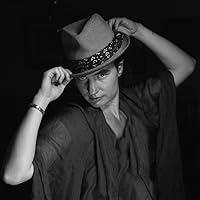
Dorothy Bryant was born in San Francisco in 1930, second daughter of Joe and Giuditta Calvetti, both born in Balangero, a factory town near Turin, Italy, and brought to the United States as children. Bryant became the first in her family to graduate from college, and she earned her living teaching (high school and college) until 1976. She began writing in 1960 and has since published a dozen books of fiction and non-fiction. Her plays have been performed in the Bay Area and beyond.
Bryant is known for her mystical, feminist and fantastic novels and plays that traverse the space between the real world and her character's inner psyche or soul. Her book The Kin of Ata are Waiting for You was described by Alice Walker as "One of my favorite books in all the world".
I enjoyed reading the advice, guidelines, and anecdotes in this book. There are no exercises, so it’s armchair reading, and it’s short, 117 pages. But it’s densely packed with well organized insights on the novel writing process, from starting the novel to finishing. Bryant has renewed my faith that I can do this, and confirmed that the entire process can take a while.
I was recently gifted this book, and although it was published in 1978, Dorothy Bryant is noted for her writing advice. While some of the material is clearly dated, other tips are still useful for writers at all levels.
In this age of appropriation debates and controversies, Bryant’s support for writing from the POV of a person with a different ethnicity, gender, religion, or lifestyle than the author is a debatable topic. It’s important to note that she also encourages writers to consult with knowledgeable people to ensure they get it right.
Bryant describes her planning process in detail, which readers might find helpful. Obviously, she didn’t have a computer back then and relied on index cards to jot down notes on characters, setting, plot, etc. Her advice on editing was worthwhile, though it was amusing to hear her talk about the importance of keeping a tape and scissors close by when it comes to cutting and pasting. Her comments on when and how to receive criticism, on the other hand, are still quite relevant.
Bryant occasionally refers to her working life as a teacher and raising kids, which makes her challenges for time and energy to write highly relatable. She also references the struggles of some of the great twentieth-century authors, which writers might also relate to. This is a short, to-the-point book that is still a worthwhile read.