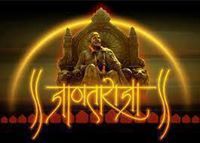
The Indian history is a galaxy of great emperors, valiant warriors and competent rulers. One such gem shining in the Indian Hall of fame is Chhatrapati Shivaji. He emerged at a time when the Hindus and Hindu Dharma were experiencing abject humiliation and subjugation under the tyrannical and brutal Muslim rulers. Shivaji possessed talents of the highest order. He stood upto injustice and oppression, took up the challenge and showing supreme courage and gallantry, fought the Moghul rulers and established Hindu Swarajya. By virtue of the high moral values imbibed from his mother and determination to protect Hindu Dharma Shivaji commanded the highest respect and loyalty from his subject. The book is about Shivaji’s distinguished prowess, amazing values and heroic deeds.
Originally it was written in Kannada. This book later got translated to Hindi, Marathi, Sanskrit and English.
ಹದಿನೇಳನೆಯ ಶತಮಾನದಲ್ಲಿ ಭಾರತದಲ್ಲಿ ಪರಕೀಯರ ಪ್ರಾಬಲ್ಯ ದಿನದಿನಕ್ಕೂ ಬೃಹದಾಕಾರವಾಗಿ ಬೆಳೆದು ಇಡೀ ರಾಷ್ಟ್ರವನ್ನು ತನ್ನ ತೆಕ್ಕೆಗೆ ತೆಗೆದುಕೊಳ್ಳುವ ಹವಣಿಕೆಯಲ್ಲಿತ್ತು. ಭಾರತದ ಪ್ರಾಚೀನ ಸಂಸ್ಕೃತಿ ಅಳಿವಿನ ಅಂಚಿಗೆ ಸಮೀಪಿಸುತ್ತಿತ್ತು. ಒಂದು ಕಡೆಯಿಂದ ಮೊಗಲರು ಹಾಗೂ ಆದಿಲಶಾಹಿ ಮತ್ತೊಂದೆಡೆ ಡಚ್, ಪೋರ್ಚುಗೀಸ್ ಮತ್ತು ಬ್ರಿಟಿಷರು ತಮ್ಮ ಸಾಮ್ರಾಜ್ಯವನ್ನು ಬಲಪಡಿಸಲು ಹಾತೊರೆಯುವ ಸಂದರ್ಭದಲ್ಲಿ, ಭಾರತೀಯರ ಹೃದಯಕಮಲದಲ್ಲಿ ಸ್ವಾತಂತ್ರ್ಯದ ಬೀಜವನ್ನು ಬಿತ್ತಿ,ಸ್ವರಾಜ್ಯದ ಕನಸನ್ನು ಕಟ್ಟಿ,ಸುಪ್ತವಾಗಿದ್ದ ಕ್ಷಾತ್ರ ಪ್ರಜ್ಞೆಯನ್ನು ಬಡಿದೆಬ್ಬಿಸಿ ಭಾರತಮಾತೆಯನ್ನು ದಾಸ್ಯದ ಸಂಕೋಲೆಯಿಂದ ವಿಮುಕ್ತಿಗೊಳಿಸುವ ಕಾರ್ಯಕ್ಕೆ ಕೈಹಾಕಿದವರು ಛತ್ರಪತಿ ಶಿವಾಜಿ ಮಹಾರಾಜರು.
ಬೆಳೆಯುವ ಸಿರಿ ಮೊಳಕೆಯಲ್ಲಿ ಎಂಬಂತೆ ತನ್ನ 12ನೇ ವಯಸ್ಸಿಗೆ ಬಿಜಾಪುರದ ಆದಿಲಶಾಹನಿಗೆ ತಲೆಬಾಗಲು ಒಪ್ಪ ದಂತಹ ದಿಟ್ಟ ವ್ಯಕ್ತಿತ್ವದ ಪೋರ ಮುಂದೆ ಮೊಗಲ್ ಮತ್ತು ಬಿಜಾಪುರದ ಸುಲ್ತಾನರು ಗದಗುಟ್ಟುವಂತ ಹೊಡೆತಗಳನ್ನು ಕೊಡುತ್ತಾರೆ. ಅಂದಿನ ಕಾಲದಲ್ಲಿ ಹಿಂದುಗಳ ಮೇಲಾಗುತ್ತಿದ್ದ ಅನ್ಯಾಯ,ಅತ್ಯಾಚಾರ ಮತ್ತು ಕ್ರೌರ್ಯಗಳನ್ನು ಕಣ್ಣಾರೆ ಕಂಡು ಸ್ವರಾಜ್ಯ ಮತ್ತು ಸ್ವಧರ್ಮಗಳ ಆಧಾರದ ಮೇಲೆ "ಹಿಂದವಿ ಸಾಮ್ರಾಜ್ಯ" ಕಟ್ಟುವ ಪ್ರತಿಜ್ಞೆಯನ್ನು ಸ್ವೀಕರಿಸುತ್ತಾರೆ. ಸಂಯಮ ಹಾಗೂ ಚಾಕಚಕ್ಯತೆಯಿಂದ ಅಫಜಲಖಾನ್,ಸಿದ್ದಿ ಜೌಹರ, ಜಸ್ವಂತ್ ಸಿಂಗ್ ಮುಂತಾದವರನ್ನು ಯುದ್ಧ ಭೂಮಿಯಲ್ಲಿ ಮಕಾಡೆ ಮಲಗಿಸುತ್ತಾರೆ. ಮೊಘಲರ ರಾಜಧಾನಿ ಆಗ್ರಾದಿಂದ ಔರಂಗಜೇಬನ ಭದ್ರ ಕೋಟೆಯನ್ನು ಭೇದಿಸಿ ಸೆರೆಯಿಂದ ಬಿಡಿಸಿಕೊಂಡು ಭಾರತದ ಬಾದಶಾಹ ಎಂದು ಮೆರೆಯುತ್ತಿದ್ದವನಿಗೆ ಸವಾಲೊಡ್ಡುತ್ತಾರೆ. ಗೆರಿಲ್ಲಾ ಯುದ್ಧತಂತ್ರದಿಂದ ಶತ್ರುಗಳನ್ನು ಹಣ್ಣುಗಾಯಿ ನೀರುಗಾಯಿ ಮಾಡುತ್ತಾರೆ. ಶತ್ರುವಿನ ಶಕ್ತಿ ಮತ್ತು ದೌರ್ಬಲ್ಯಗಳನ್ನು ಚೆನ್ನಾಗಿ ಗ್ರಹಿಸಿಕೊಂಡು ಅದಕ್ಕೆ ತಕ್ಕಂತೆ ಯುದ್ಧನೀತಿಯನ್ನು ಬದಲಾಯಿಸಿ ಕೊಳ್ಳುವುದರಲ್ಲಿ ಶಿವಾಜಿಗೆ ಅವರೇ ಸಾಟಿ.
ಹಿಂದೂ ಧರ್ಮದಲ್ಲಿ ನಿಷಿದ್ಧವೆನಿಸಿದ ಕೆಲವು ಐತಿ ಹಾಸಿಕ ನಿರ್ಣಯಗಳನ್ನು ತೆಗೆದುಕೊಂಡು ಜಾಣ್ಮೆಯಿಂದ ತಮ್ಮ ಸಾಮ್ರಾಜ್ಯವನ್ನು ಬಲ ಪಡಿಸಿಕೊಳ್ಳುತ್ತಾರೆ. ಸಮುದ್ರಯಾನ, ನೌಕಾಸೇನೆಯನ್ನು ಬಲಪಡಿಸುವುದು, ಮ್ಲೇಚ್ಛ ಧರ್ಮಕ್ಕೆ ಮತಾಂತರಗೊಂಡವರನ್ನು ತಿರುಗಿ ಹಿಂದೂ ಧರ್ಮಕ್ಕೆ ವಾಪಸ್ ಕರೆಸಿಕೊಳ್ಳುವುದು ಕೆಲವು ಉದಾಹರಣೆಗಳು. ಆಡಳಿತದಲ್ಲಿ ಶಿಸ್ತು, ಸರ್ವರಿಗೂ ಸಮಾನ ನ್ಯಾಯ ಹಾಗೂ ತಪ್ಪಿತಸ್ಥರಿಗೆ ಕಠಿಣ ಶಿಕ್ಷೆ, ಪ್ರಜೆಗಳಲ್ಲಿದ್ದ ಸಿಂಹಾಸನ ನಿಷ್ಠೆ ಮುಂತಾದವುಗಳು ಸ್ವರಾಜ್ಯವು ಸುಭಿಕ್ಷವಾಗಿರಲು ಮತ್ತು ಪ್ರಬಲವಾಗಿ ಬೆಳೆಯಲು ಕಾರಣೀಭೂತವಾಗಿದ್ದವು.
ರಾಜತಾಂತ್ರಿಕ ನಡೆ ಮತ್ತು ಸಮರ ಕೌಶಲಗಳಲ್ಲಿ ನಿಷ್ಣಾತರಾಗಿದ್ದ ಶಿವಾಜಿ ಮಹಾರಾಜರ ಸ್ವರಾಜ್ಯವು ಸಮರ್ಥ ಉತ್ತರಾಧಿಕಾರಿಗಳು ಇಲ್ಲದೆ ಪತನ ವಾದದ್ದು ವಿಷಾದದ ಸಂಗತಿ. ಹೊರಗಿನ ವೈರಿಗಳನ್ನು ಸಮರ್ಥವಾಗಿ ಎದುರಿಸಿದ ಮಹಾರಾಜರು ತನ್ನ ಮಗನ ದುರ್ವರ್ತನೆ ಹಾಗೂ ಸಿಂಹಾಸನಕ್ಕಾಗಿ ಆಂತರಿಕ ಕಲಹವನ್ನು ನಿಭಾಯಿಸುವಲ್ಲಿ ವಿಫಲರಾಗಿದ್ದು ಸಹ ಸ್ವರಾಜ್ಯದ ಪತನಕ್ಕೆ ನಾಂದಿಯಾಯಿತು.
ಶಿವಾಜಿ ಮಹಾರಾಜರ ಜನನದಿಂದ ಮೊದಲ್ಗೊಂಡು ಅವರ ದೇಹಾಂತ್ಯದವರೆಗಿನ ಪ್ರತಿಯೊಂದು ವಿವರಗಳನ್ನು ಹೊಂದಿರುವ ಈ ಪುಸ್ತಕವು ಇತಿಹಾಸ ಪ್ರಿಯರು ಓದಲೇಬೇಕಾದ ಕೃತಿ.
One of the most inspirational and influential books that I have ever had the chance to run into .
This book reminds me of an incident that happened a few years ago. I was enthusiastically speaking about the greatness of Chatrapathi Shivaji Maharaj, when a friend who is spiritually minded remarked "You should rather read the hagiography of saints or the work of psychics (He was a big fan of ESP etc). You should not waste your time knowing about Kings and emperors. They were all selfish and arrogant. I think you are wasting your time." I felt hurt by this remark, but as I had not read this book back then, I could not come up with a counterpoint.
Fast forward to 2016, my wife's cousin sister presents me this book. I try many times to read it, but it is only in 2018 that I am able to read it seriously. And what a book it was! Contrary to what my Psychic fanboy friend had said, this turned out to be the hagiography of a Rajarshi (Saintly King)
Ever since his birth in the fort of Shivneri to his becoming Chatrapathi of a Kingdom stretching the length and breadth of Maharashtra and Karnataka, the great King Shivaji ruled with one aim, and that was to establish Hindavi Swaraj.
This was the time when the bigoted emperor Aurangzeb ruled from Delhi. His religious persecution of Hindus and his cruelty knew no bounds. The Bahamani Sultan of Bijapur also continued the persecution of Hindus in the South post the fall of the Vijaynagar empire. Demonic generals like Afzal Khan and the African Siddhi made the lives of the Hindu civilians a veritable hell.
The 'brave' Rajputs like Mirza Raje Jai Singh and Jaswant Singh Rathod worked relentlessly for the foreign aggressors and were deaf to the cries of the suffering Hindus.
When slave mentality had become deeply rooted amongst the local populace, one young boy, the son of a mighty sardar called Shahaji Bhonsale dreamt of an India rid of demonic and bigoted elements and the establishment of an empire based on Moral and Ethical principles of the vedas. Such a king was Shivachhatrapathi.
The book by Shri H.V.Sheshadri is most reverential. It takes us through the great obstacles that the great Shivaji had to overcome to establish his dream of Hindavi Swaraj. This great man's ideals were absorbed quickly by a people wanting to overthrow the yolk of foreign bigots. The book beautifully narrates the life and times of Shree Chatrapathi Shivaji Maharaj and explains why we need to read about and follow Maharaj's ideals.
At this day and age, when India is threatened by enemy forces within and without, this book is a valuable treasure at the hands of all Nationalists. It is also a valuable treasure in the hands of those who think it is fashionable to hate this great Nation and are more interested in watching a movie on a drug addicted terrorist supporter who is a big name in Bollywood. For such people would realize, the freedom that they are enjoying, the freedom to think, be and do whatever they want, is because of the sacrifices of some of the great people this nation has given birth to.
During the era of Darkness post 10th century, when the country was overrun by foreign invaders, who made the lives of people a living hell, out of nowhere, there sprung a bright light that destroyed the darkness.
We need to carry on the legacy of the great Shiva Chatrapathi.
Hindu Vijay Yug Pravartak by H.V. Seshadri ji is a powerful and evocative biographical work that transcends the conventional boundaries of historical writing. This is not merely a recounting of Chhatrapati Shivaji Maharaj’s life and deeds—it is a bold and unapologetic narrative of a civilizational revival. The title translates to "The One Who Ushered the Era of Hindu Victory," and every page of this book does justice to that premise.
Authored by H.V. Seshadri, a respected thinker, author, and former national president of the RSS, this book is a compelling narrative of Shivaji’s mission, not just as a warrior king but as a yug pravartak — one who ushered in a new era of Hindu resurgence.
The book’s title translates to The One Who Ushered the Era of Hindu Victory, and it does complete justice to the grandeur and purpose of Shivaji’s life. H.V. Seshadri ji presents Shivaji not only as a historical figure but as a visionary leader whose mission holds critical relevance even today.
Seshadri ji approaches Shivaji not just as a regional king or a military strategist but as a visionary leader and epoch-maker—a _yug pravartak_—who redefined the course of Indian history. The book opens with a stark portrayal of Bharat during Shivaji’s time: politically fragmented, spiritually bruised, and culturally besieged by centuries of Islamic invasions and Mughal domination. Seshadri ji paints a grim picture of Hindu society, which had been pushed into a state of helplessness, fatalism, and self-doubt.
In this backdrop emerges the young Shivaji, not as a random product of circumstance but as a divine response to the nation's call. The formative influences of his mother Jijabai and saint Samarth Ramdas are portrayed with deep reverence. Seshadri ji emphasizes how Shivaji’s sense of mission was not limited to political power but was anchored in Dharma—a higher vision of justice, culture, and spiritual sovereignty. His conception of Swarajya was not just administrative autonomy, but a sacred responsibility to restore Hindu culture, temples, traditions, and pride.
The narrative gains momentum as it explores Shivaji’s military campaigns, strategic brilliance, and guerrilla tactics. His victories against the Bijapur Sultanate, the audacious slaying of Afzal Khan, and the legendary escape from Aurangzeb’s captivity in Agra are depicted not as isolated episodes of valor but as purposeful acts in the fulfillment of a divine mission. Every encounter, every fort won, and every alliance formed is shown as a step toward reawakening the Hindu nation’s self-respect.
What makes this book profoundly relevant is its focus on Shivaji’s ideology. Seshadri ji is meticulous in articulating how Shivaji built a parallel narrative to the dominant Islamic and Persianized political ethos of the time. Shivaji’s respect for Sanskrit, revival of temple worship, prohibition of cow slaughter, and his sense of justice for women and the oppressed were not tactical choices but ideological assertions. His coronation as Chhatrapati is portrayed as a civilizational reset—where the Hindu once again stood tall, not in rebellion, but in rightful authority over his own land.
Seshadri ji’s writing is intense, persuasive, and richly descriptive. His tone is assertive, with a clear ideological compass. The language is vivid, often lyrical, yet remains grounded in historical evidence. He does not write as a passive observer of history but as someone who wants the reader to feel the urgency of reclaiming the cultural and spiritual legacy of Bharat. The narrative is replete with references from Marathi chronicles, bhakti poetry, and eyewitness accounts that add depth and authenticity.
The concluding chapters are perhaps the most stirring. Seshadri ji speaks directly to the reader, arguing that Shivaji’s mission is far from over. He sees Shivaji as a precursor to the broader Hindu resurgence that modern India is witnessing. The book is not content with glorifying the past—it demands introspection, courage, and commitment from present and future generations to carry forward the legacy of civilizational dharma.
Hindu Vijay Yug Pravartak is not just a biography—it is a call to arms, a philosophical treatise, and a spiritual journey woven into a historical tapestry. For anyone who seeks to understand India beyond textbooks, for those who wish to know how one man dared to rise against centuries of tyranny and altered the destiny of a nation, this book is indispensable.
H.V. Seshadri ji has given us a work that is both timeless and timely. It is a reminder that Shivaji was not just a king—he was a movement. Every Indian who believes in the cultural and spiritual awakening of Bharat must read this book. It will not just inform you, it will transform you.
It's a concise book narrating the life of Shivaji at a higher level. Has a lot of grammar and typo issues. But for that it was a quick and good read to get an overview of Shivaji's life.