

What do you think?

Real Photo Postcards: Unbelievable Images from the Collection of Harvey Tulcensky
It may be hard to believe, but there actually was a time when the postcard image was not a cliché. To reach it, you'll have to set your clock back to the end of the nineteenth century, when an Act of Congress allowed Americans to mail a card for just one cent. A few years later, Kodak introduced an easy-to-use and affordable folding camera that put postcard power into the hands of ordinary citizens, setting off a craze. Real Photo Postcards is a collection of the most outlandish and idiosyncratic, beautiful and even occasionally bizarre images of this early postcard period.
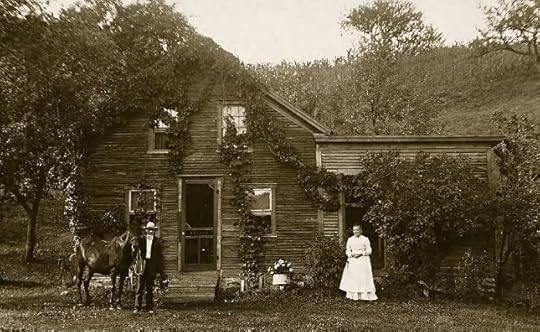
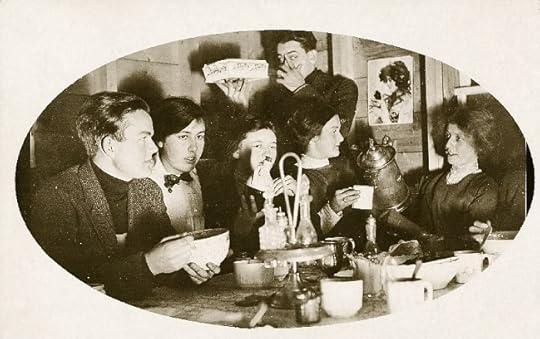
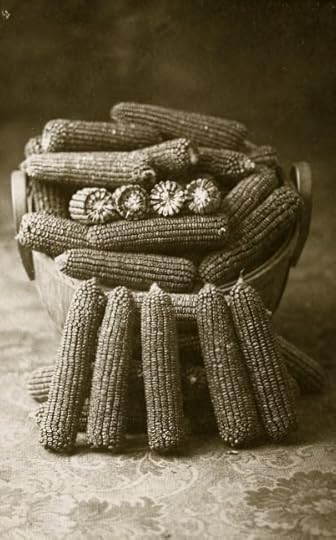
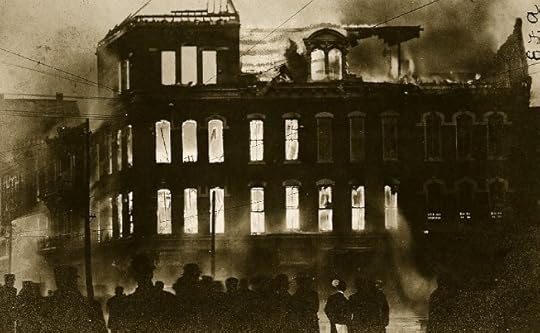
Painstakingly assembled from the collection of Harvey Tulcensky, one of the world's most avid collectors of these original postcards, Real Photo Postcards includes images of natural phenomena (floods, storms, fires), Main Street America, rural life, political parades, and wacky "exaggeration" cards (such as a photographically manipulated giant rabbit!). Together these cards show an oddly personal and intimate perspective of America at the turn of the 20th century.
Painstakingly assembled from the collection of Harvey Tulcensky, one of the world's most avid collectors of these original postcards, Real Photo Postcards includes images of natural phenomena (floods, storms, fires), Main Street America, rural life, political parades, and wacky "exaggeration" cards (such as a photographically manipulated giant rabbit!). Together these cards show an oddly personal and intimate perspective of America at the turn of the 20th century.
- GenresPhotographyArt
207 pages, Paperback
First published January 1, 2005
Ratings & Reviews
Friends & Following
Create a free account to discover what your friends think of this book!
Community Reviews
Displaying 1 - 6 of 6 reviews

June 2, 2015
مجموعه ای است از تصاویر کارت پستال های واقعی، همراه با مقدمه ای کوتاه در توضیح این مجموعه و مؤخره ای شامل مصاحبه با تولسنسکی کلکسیونر این کارت پستال ها. منظور از وصف "واقعی" - در کارت پستال واقعی - آن است که تصاویر این کارت پستال ها نه به شیوه ی تولید انبوه بلکه به تعداد محدود یا حتی تنها در یک نسخه توسط خود مردم یا توسط برخی عکاس ها - چه بسا حتی عکاس های محلی - گرفته شده اند. رواج این نوع کارت پستال ها به طور خاص از سال 1907 تا سال 1930 بود. قبل از سال 1907 اداره ی پست آمریکا اجازه ی نوشتن متن در پشت کارت پستال ها را نمی داد و از همین رو مخاطبان کمتر سراغش می رفتند. اما امکان نوشتن در پشت کارت پستال از یک طرف و رواج یافتن دوربین های کداک - که امکان عکاسی را به همگان می داد - به رواج کارت های پستی افزود
Although a commonplace form of popular culture, real photo postcards remain a relatively neglected province of photographic history, one that sustained its strongest popular interest between 1907 and 1930... This collection [doesn't] attempt to unpack a general history of real photo postcards, but rather marvel at their particularities and unique properties. These approaches represent a particularly personal vantage onto a class of vernacular photographs that have been mostly forgotten in attics or gone missing in the dustbins of everyday life. Passing thoughts on passing things, these are inspired fingers pointing beyond the frame toward the furtive pleasures, idiosyncratic poignancies, and piercing wonders of the real world and self-reflexively, of course, to the singular wonders of real photo postcards themselves
Real photo postcards began to proliferate dramatically in 1907, however, the year that the U.S. Postal Service allowed personalized messages to be written onto the postcards’ preprinted, divided backs.This postal sea change virtually coincided with Kodak’s introduction of an affordable, easy-to-use portable, folding pocket camera the previous year... Photographic postcards such as these were made possible by the de-professionalization of photography and ushered in with Kodak’s early slogan, “You push the button, and we do the rest.” This allowed for the proliferation of cameras bought by novices and entrepreneurs, who sought out contingent, inaccessible, and above all, local subjects
Attention to local detail, therefore, also distinguishes real photo postcards from what are said to be the first American postcards—so-called “souvenir cards” issued by the government at the Chicago Columbian Exposition of 1893
گفتگوی پایانی هم به نظرم خواندنی است - خصوصا اینکه اصولا چه بسا یک کلکسیونر الگوی جالبی برای بررسی وضعیت انسانی در جهان معاصر باشد؛ انسانی روبرو با انبوهی از چیزها که وظیفه ی بنیادینش گزینش است؛ انسانی که محدودیت خود را می پذیرد از یک سو و انبوهی گزینه ها را از سوی دیگر
تولسنسکی در تأکید بر حیث "محلی بودن" - اینجایی و اکنونی بودنی که در هنرهای جهانی غایب است اما مثلا در این کارت پستال های دم دستی ساده می توان دیدش، می گوید
I did not start collecting again until 1984 when I bought land in Vermont with the intention of building my own house. I went around looking for historic images of Vermont to become more intimate with the place and to get ideas. I wanted to project myself into a particular past and immerse myself in the personality of a particular locale, to become closer to its soul... I immediately noticed that among these ordinary cards were some particularly beautiful ones that were different from the rest, and these were the real photo postcards, not mechanically reproduced cards
از او می پرسند اگر محدودیتی نبود چه کارت پستال هایی را برمی گزیدی؟ او در جوابش تأکید می کند که چه بسا کیفیت انتخاب هایم از همین محدودیت پهنه ی گزینه هایم نشئت گرفته باشند
I’ve learned that a large part of collecting is accepting limitations: what I put back is as important as what I buy. What is the best of what I see? What do I really collect? What adds to the collection versus what is just more of the same? I prefer to constantly have to make judgments and edits about what’s more significant to me. I think total freedom would actually diminish the quality of the collection and the act of collecting
پرسشگر می پرسد جای چه چیزی در این مجموعه ی شما خالی است. او پاسخ می دهد
I’d like more cards that are deliberate, self-conscious attempts at art making or image-making rather than merely recording an event or place; however, I generally do not realize something is missing until I come across it and a new possibility opens up. I think of collecting as a means of discovery, where I can always fill in the gaps of missing or under-represented categories as it becomes evident
در عین حال مهم برای او آن است که این کارت های پستی واقعی در هر بار که می نگریشان چیزی نو نشانت می دهند - مثلا گوشه تصویر چیزی می بینی که پیش از این توجهت را جلب نکرده بود. این عدم تناهی مختص یک اثر واقعی است و نه مصنوعی
Every time I look at them, I discover something new, such as a detail I had not noticed before. I appreciate their depth and the minutia of information that can
be contained in such a small space. I’m always taken aback at how exquisite they are. I contemplate them, remembering when, how, and where I found the card. Yet,I always see them anew. Now that the collection has grown, each card seems to bear a meaning relative to the whole of the collection, like elements of a puzzle.
There is an absence of artifice that renders these cards fresh a hundred years after their making. For the most part, they are not self-conscious attempts to make art, and even when they are, it is often naïve. The medium is still in its relative infancy and is essentially a process of discovery of itself and of a new era and of an expanding and shrinking world. It’s in this way that these cards seem particularly authentic and refreshing

August 25, 2008
More a book to look at than to "read", but I found the images facinating.

June 12, 2018
Many of these postcards are so amazing! When photo postcards became popular in the late 1800's/first half of the 1900's, they were really revolutionary. Family members who otherwise might never meet were able to see photos of their faraway kin and see the places they lived as well. Think of how incredible it would've been for a farmer and his family in Iowa, who probably never had much of an opportunity to leave, to get a photo postcard from their family who was visiting Coney Island!
We are so technologically advanced now and because we can literally send and see pictures instantly, it's hard to really appreciate how much these cards changed the world, but they did. And? When they were first introduced to the public they only cost one penny to send! That rate lasted for FIFTY years! When the price rose to two cents (and you better believe that people protested the increase!), it stayed at that cost for almost ANOTHER fifty years! That in and of itself is amazing given what we know about the frequency of rate changes nowadays!
We are so technologically advanced now and because we can literally send and see pictures instantly, it's hard to really appreciate how much these cards changed the world, but they did. And? When they were first introduced to the public they only cost one penny to send! That rate lasted for FIFTY years! When the price rose to two cents (and you better believe that people protested the increase!), it stayed at that cost for almost ANOTHER fifty years! That in and of itself is amazing given what we know about the frequency of rate changes nowadays!

January 9, 2023
What an amazing and variant collection, oh, if it was real and between my hands , I would really be so proud of it.

January 22, 2017
A nice collection of real-photo postcards, selected mainly for aesthetic qualities and thus covering many genres -- including exaggerations, occupationals, street scenes, costumes, and so forth. Not a lot of information on them; readers wanting to know more about real-photo postcards might be interested in Real Photo Postcard Guide: The People's Photography.
April 9, 2015
A nifty way to view history
Displaying 1 - 6 of 6 reviews