Science fiction, because of its links to science and technology, is the consummate literary vehicle for examining the perception and cultural impact of the modernization process in Brazil. Because of the centrality of the role played by the military dictatorship (1964-85) in imposing industrialization and economic development policies on Brazil, this book examines the genre in the periods before, during, and after the dictatorship, encompassing the years 1960-2000. The analysis shows that a reading of Brazilian science fiction based on its use of paradigms of Anglo-American science fiction and myths of Brazilian nationhood provides a unique look into Brazil's modern metamorphosis as it finds itself on the periphery of the globalized world.
M. Elizabeth Ginway's Brazilian Science Fiction was a thought provoking study.
That said, it was difficult to engage early in the book because Ginway spends a lot of time discussing what science fiction is, and how it reflects the society that produces it before exploring the actual science fiction.
That is all fine, and it set up an interesting exploration on why science fiction from Brazil would be different than science fiction produced in the US or Europe. Being familiar with Brazilian society is important (uneven modernization/progress, past dictatorships and cultural beliefs, especially about the land/Amazon were stressed); however, Brazilian science fiction writers weren’t even mentioned until about 40 pages into the book.
Discussion of Brazilian work begins (chronologically) with writers from the 1960s. The context of writing (the 1960s) is important, but I would have liked to have started by really digging deeply into a story (or stories) and then showing why the context was important. Other chapters deal with dystopias, post-dictatorship/globalization, and the future of Brazilian science fiction.
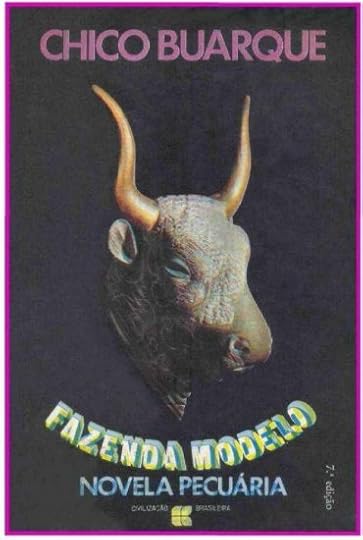
When the science fiction is explored it is rich and very interesting. There was work by writers such as Chico Buarque whose work (Budapest) I’d read before, but hadn’t thought of as science fiction writers (maybe understandable in Buarque’s case because he is really best known as a singer and songwriter). All in all, there are diverse voices, fascinating alternative histories, speculative stories about alliances with dolphins, space operas and stories involving eugenic programs to name a few. 3.5 stars.
Some of the authors/works highlighted include:
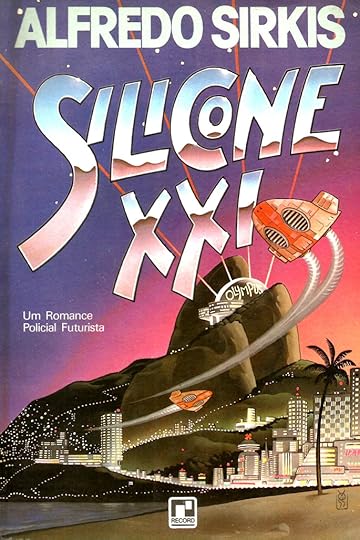
Chico Buarque: Fazenda modelo (1974) Jorge Luiz Calife: Padroes de contato (1985) and Horizonte de eventos (1986) Roberto Schima: Os fantasmas de Venuis (1993) Finisia Fidelis: Exercicios de silencio (1983) Aldfredo Sirkis: Silicone XXI (1985) Guilherme Kujawski: Piritias siderais (1994) Henrique Flory: Amigos (1989) Gerson Lodi-Ribeiro: O vampire de Nova Holanda (1996) and Xochiquetzal e a Esquerdra da Vinganca (2000) Max Mallman Souto-Pereira: Mundo bizarre (1996)
Very few of these seem to have English translations. I've been reading some Brazilian literature, but I'd especially like to read more science fiction. If anyone out there has suggestions, please let me know! I would tackle some short stories in Portuguese (especially by newer authors who don't have translations out), but my own translation skills are not as good as I'd like.
7 day countdown until my trip to Brazil! Are there used bookstores in Brazil with science fiction?
Esta obra é das melhores análises sobre ficção científica brasileira e gostaria de recomendar muitíssimo se você pretende entender com mais profundidade o tema ou mesmo somente nutre alguma curiosidade.
Em uma linguagem simples e precisa, a autora comenta as principais publicações de FC no século XX, situando-as em seus momentos históricos. Ao comentar livros, resume sempre o enredo e trazendo detalhes biográficos sobre as autorias, uma boa fonte de novas leituras e encaminhamentos de questões.
Sendo estadunidense, Ginway consegue manter um distanciamento crítico bem eficiente dos objetos analisados. Destaques são suas comparações de ícones da ficção científica nos Estados Unidos e no Brasil – exemplos são o ícone do robô e as relações com trabalhos braçais, assim como alienígenas e a relação com o estrangeiro. Também não deixou de lado comentários a respeito de raça e gênero. Especificamente a respeito de mulheres, faz um trabalho fundamental de as incluir e comentar obras que foram importante em suas décadas, constituindo o livro numa robusta fonte bibliográfica.
Como a obra se presume panorâmica a respeito de ficção científica, talvez em um tema ou outro de sociologia ou história merecesse mais cuidado ou reparos. Quem sabe outras obras críticas sobre FC brasileira apareçam e possam fazer essas anotações.