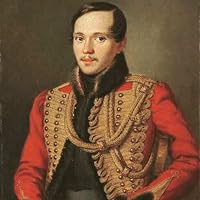
Maksim Gorki’nin 1910 yılında yayınladığı Matvey Kojemyakin romanı, ondan yaklaşık elli yıl önce kaleme alınan Oblomov ile hem benzeşir hem de ondan ayrılır. Kojemyakin karakterinin hayatını değiştirme isteğinin başarısızlığa uğramasının temelinde, bir taşra kasabasında kendini dıştan bencilce soyutlayan insanı buluruz. Matyev Kojemyakin, edebiyat ve sinema alanlarında güncelliğini hâlâ koruyan “taşra meselesinin” erken ve özgün örneklerinden birisi olarak karşımıza çıkar.
Russian writer Aleksei Maksimovich Peshkov (Russian: Алексей Максимович Пешков) supported the Bolshevik revolution of 1917 and helped to develop socialist realism as the officially accepted literary aesthetic; his works include The Life of Klim Samgin (1927-1936), an unfinished cycle of novels.
This Soviet author founded the socialist realism literary method and a political activist. People also nominated him five times for the Nobel Prize in literature. From 1906 to 1913 and from 1921 to 1929, he lived abroad, mostly in Capri, Italy; after his return to the Soviet Union, he accepted the cultural policies of the time.
I considered retiring this book several times, and don’t think I would have missed much had I given in.
Gorky details the entirety of Matvei Kozhemyakin’s life, giving his protagonist many decades to redeem himself from some very poor childhood decisions or progress as a member of society. Instead, he chose to have Matvei remain physically and emotionally stagnant.
Although characters came and went rather often, this inconstancy felt like a genuine reflection of a lifetime’s shifting relationships. Personalities were plentiful and unique, but much like Matvei, people rarely progressed. Although the stagnancy of Okurov’s structure and residents were reflective of the novel’s major themes, it didn’t always make for an engaging read.
Scenic descriptions were my primary staying power. Always beautifully done and well-integrated in prose, they set a familiar scene in so many different ways that the audience was invited to witness decades’ changes simply through the setting.
Overall a slightly disappointing read. I found it as a second-hand copy, and as a second-hand copy I shall forward it further.
" يا لروسيا الحزينة " مراجعة لرواية حياة ماتفي للكاتب مكسيم غوركي .
يرسم مكسيم غوركي قصة كئيبة لحياة ماتفي كوجيمايكين سافيليفتش و صورة متناهية الدقة لبلدة ريفية روسية تدعى " أوكروف" لمدة تزيد على نصف قرن منذ إلغاء نظام القنانة في ثورة 1905 . تتميز هذه الرواية بالدقة و العمق حيث تظهر كل شيء بالتفصيل و تحمل المشاهد قوة قاهرة تترك المرء مصعوقا و ذلك بسبب الفرادة التي يتميز بها الأدب الروسي في رسم الشخصيات عواطفها ، شغفها ، الإيمان و جلد الذات . يصف غوركي كيفية تنامي البورجوازية الصغيرة ، الرواية لا تصور حياة ماتفي و بلدة أوكروف فقط بل تصف حال الملايين من البشر . في رسالة كشف غوركي عن الافكار الكامنة وراء عمله و دعى الناقدين إلى الإنتباه للخط الفلسفي الذي طرحه في الرواية ، وعلى لسان شخصية ماروشكا أين قال عندما سئل: " هل هناك شياطين ؟ نعم هناك أتركوني ، لكن ربما هم غير موجودين ، حسنا ليست ، أتركوني في سلام " . مشهد زوجة الأب مع ماتفي ذكرني برواية إمتداح الخالة لماريو باراغاس يوسا اين تتشابه الأحداث إلى حد ما ، لكن غوركي إسترسل في الوصف و كان دقيقا في رسم مٱلات الأحداث التي ستلازم بطلنا ماتفي مدى الحياة ، و منه نستنتج أن الادب الروسي هو أصل كل الٱداب و كل الٱداب هي إمتداد للأدب الروسي ، ماعدا الأدب الياباني الفريد كونه متأثر بشعر الهايكو و ثقافة الشعب الياباني الخاصة . حين قرأ بوشكين المخطط الأول للأرواح الميتة الذي جلبه غوغول هتف قائلا :"يا إلهي كم هي حزينة روسيا " ، وحين ستقرأ هذه الرواية ستردد ماقاله بوشكين ، هذا الحزن ليس خطا طبعا إنما هو سبب لمدح المؤلف .
" إن الشكر يا سيدي الكريم ، كل الشكر ، ما شكر الشاكرون ، إلى الله وحده . ثم إلى روسيا " مالك
This entire review has been hidden because of spoilers.
Опять и опять! Стоит Горькому взяться за крупное произведение, мысль растворяется в обилии слов. Повесть о Кожемякине Максим писал два года, принявшую в итоге вид крупного труда. Несмотря на это, смысловое наполнение не вышло за размеры повести. Горький вновь опирался на действительность, излагая проблемы современного ему общества. Всё это он перемешал с тяжестью быта человека в России на протяжении XVIII века. Причём, говорил настолько невнятно, отчего не удаётся придти к мнению — об адекватном ли восприятии шла речь.