Jump to ratings and reviews
Rate this book

女神:三島由紀夫經典短篇小說選

Rate this book
周伍對女性美的研究,儼然到了一種偏執的地步。
在外人眼中,於外商公司擔任要職的周伍,與妻子依子是一對璧人,特別是依子,從內而外都找不出一絲瑕疵……然而依子的美,其實完全出自丈夫之手:以原本就姣好的質地為基礎,周伍嚴格指導妻子從外在裝扮到最細微的一顰一笑、舉手投足、待人接物,從讀得懂法文菜單、點菜,到身為日本女主人對傳統文化應具備的基本常識,周伍無一不悉心調教。
然而在歲月與戰爭的雙重夾擊下,一場意外,一夕間毀了周伍打造出來的女神。
幸好還有朝子,他們正值荳蔻年華的女兒……

這本書包含十一部三島的中短篇小說,除了最後一篇〈清晨的純愛〉,大多是他初期到中期的作品。與書名同名的〈女神〉是第一篇小說,就三島的觀點,美學如同生死,必須否定日常生活方,才能得其純粹,故女神是超越日常性與現實人類的形象,為純粹的美學呈現,無法見容於社會。
三島將女神擺進日常生活中,令女性的本質與女神形象的衝突產生戲劇爆點,是部精煉三島思想的小說。

280 pages, Paperback

First published January 1, 1955

Loading...
Loading...

About the author

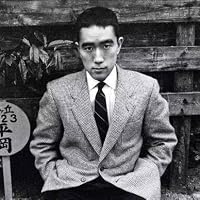
Yukio Mishima

467 books9,946 followers
Yukio Mishima (三島 由紀夫) was born in Tokyo in 1925. He graduated from Tokyo Imperial University’s School of Jurisprudence in 1947. His first published book, The Forest in Full Bloom, appeared in 1944 and he established himself as a major author with Confessions of a Mask (1949). From then until his death he continued to publish novels, short stories, and plays each year. His crowning achievement, the Sea of Fertility tetralogy—which contains the novels Spring Snow (1969), Runaway Horses (1969), The Temple of Dawn (1970), and The Decay of the Angel (1971)—is considered one of the definitive works of twentieth-century Japanese fiction. In 1970, at the age of forty-five and the day after completing the last novel in the Fertility series, Mishima committed seppuku (ritual suicide)—a spectacular death that attracted worldwide attention.

Ratings & Reviews

What do you think?
Rate this book

Friends & Following

Create a free account to discover what your friends think of this book!

Community Reviews

5 stars
11 (25%)
4 stars
15 (34%)
3 stars
14 (32%)
2 stars
2 (4%)
1 star
1 (2%)
Displaying 1 - 4 of 4 reviews
Profile Image for Mizuki.
3,474 reviews1,434 followers
November 23, 2025
(1) A control freak husband, a disfigured wife, a young daughter, what next?

(2) But the Chinese translation for this digital book is crap, full of type errors. *sighs*

(3) One star must be taken down due to the poor translation.

(4) I like the sense of irony at the end of the story.

(5) I like the love triangle between the young girl, the artist and the wholesome young man.😊

(6) The selfish father who just wanted to manipulate his wife and daughter to fit his image of an ideal woman, is quite a character to read about.
Profile Image for Valeria K..
2 reviews
July 22, 2026
Probably the weakest Yukio’s work I’ve read so far. The idea in general sounds interesting and I feel Mishima could do better, but it all felt too superficial. Still love him though
Profile Image for owlette.
367 reviews8 followers
June 12, 2024
My first Mishima Yukio. One of the most redolent Japanese passages I've encountered, not just because of the choice of words but also because of cultural artifacts that disappeared after the War. Like, I don't think they can make kimonos like those described in Mishima's writing anymore. Most of these stories felt like style over substance, but I highly recommend the titular "Goddess." My personal favorite was the last story, 「朝の純愛」 ("Love in the Morning").
Profile Image for Ally Yang.
1,592 reviews38 followers
May 7, 2026
「美」可說是藉由崇拜和信仰才能達到。
15

人要有慾望才行,不可以滿足於微不足道的小事。
27

過度介入他人的不幸是很失禮的事
43

她有遺忘最重要的事且平靜度日的天份,或許她始終渴望著遺忘吧。
184

這位深知自己不適合嚴肅的煩惱與痛苦的青年有種傾向,經常會太過於把自信放在自己的理性和意志力上。這和喜歡把自己的悠哉當作悟道結果的樂天派心理很像。原本只要稍微吃點苦就能找出解決之道,但因害怕吃苦而先行逃避,到頭來卻又自戀地認為這是拜自己的理性所賜。
186

凡事變得太簡單,反而無趣啊。
219

朝向未知前進時,我總會想起航海。
241

一個不死之身、嶄新的朝子, 在自己的心裡誕生了。朝子變成了絕對無法被人類悲劇或愛慾侵蝕,猶如大理石般堅硬、明澄、芳香的女人。
124
Displaying 1 - 4 of 4 reviews