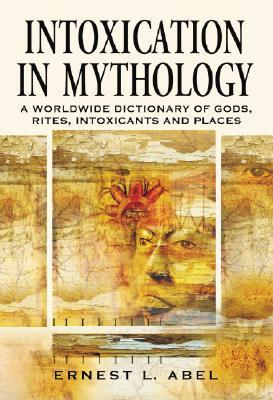
Myths from the ancient world usually have some supernatural element, a component often generated from a particular intoxicant. These substances promoted a variety of states including possession by the gods, liberation of the soul or a communion with the spirit world.
From Acan, the Mayan god of intoxicating drinks, to Zagreus, the first incarnation of the Greek god Dionysus, this encyclopedia encompasses intoxicant-related stories from world mythology that explain the origins of a particular intoxicant or how that intoxicant was involved in creating a particular culture. Entries are arranged alphabetically without regard to category (e.g., gods, intoxicants, places, and rites). Different versions of a single myth are presented when pertinent to the overriding theme. Entries record the referenced story, the identity of the culture in which the myth originated, and when applicable, information about related plant sources and pharmacological effects. Cross-references are noted in bold and sources appear at the end of each entry. Appendices group entries by category and by place of origin.
Myths from the ancient world often contain supernatural elements, and many of these elements were generated from particular intoxicants. These substances promoted a variety of states possession by the gods, liberation of the soul, or communion with the spirit world. Intoxication in Mythology offers a comprehensive alphabetical dictionary of these intoxicant related stories from world mythology.
Ernest L. Abel covers a wide range of entries, from Acan, the Mayan god of intoxicating drinks, to Zagreus, the first incarnation of the Greek god Dionysus. Entries are arranged alphabetically without regard to category, making the book easy to browse. Each entry records the referenced story, the culture in which the myth originated, and when applicable, information about related plant sources and pharmacological effects. Cross references and sources appear at the end of each entry, and appendices group entries by category and by place of origin.
What I appreciate most about this book is its breadth and accessibility. Abel covers myths from cultures around the world, offering a rich cross cultural perspective on the role of intoxicants in religious and mythological traditions. The inclusion of pharmacological information adds a fascinating dimension, connecting myth to material reality.
This is an essential resource for anyone interested in mythology, religious studies, anthropology, or the history of intoxicants.