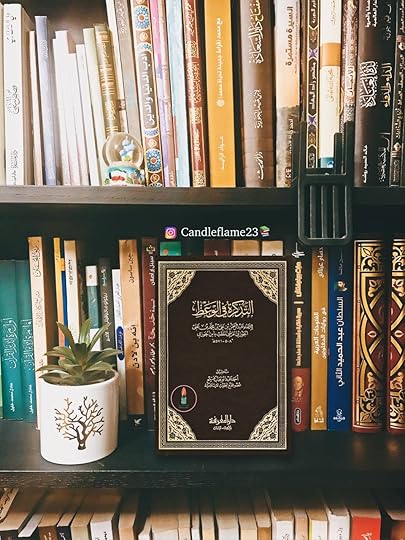
إن قلوب العباد بين إصبعين من أصابع الرحمن يقلبها كيف يشاء يجعل من يشاء مؤمنا طائعا ويجعل من يشاء كافراً او عاصياً وجعل لكل شئ أسبابا فجعل للتقوى أسبابها وللكفر والطغيان أسبابه وجعل من أسباب التقوى ورقة القلوب واستمالتها وجلاء صدئها مجالس الوعظ ورياض الأنس بذكر الله وذكر حديث رسوله صلى الله عليه وسلم وكلام سلف هذه الامة الصالحين .
Abu al-Faraj Jamal al-Din Abd al-Rahman ibn Abi Hasan Ali Al-Jawzi also known as Ibn al-Jawzi (c. 1116 – 16 June 1201) (Arabic: ابن الجوزي) was a Muslim jurisconsult, preacher, orator, heresiographer, traditionist, historian, judge, hagiographer, and philologist who played an instrumental role in propagating the Hanbali school of orthodox Sunni jurisprudence in his native Baghdad during the twelfth-century. During "a life of great intellectual, religious and political activity," Ibn al-Jawzi came to be widely admired by his fellow Hanbalis for the tireless role he played in ensuring that that particular school – historically, the smallest of the four principal Sunni schools of law – enjoy the same level of "prestige" often bestowed by rulers on the Maliki, Shafi'i, and Hanafi rites.
Ibn al-Jawzi received a "very thorough education" during his adolescent years, and was fortunate to train under some of that era's most renowned Baghdadi scholars, including Ibn al-Zāg̲h̲ūnī (d. 1133), Abū Bakr al-Dīnawarī (d. 1137–8), Sayyid Razzāq Alī Jīlānī (d. 1208), and Abū Manṣūr al-Jawālīkī (d. 1144–5). Although Ibn al-Jawzi's scholarly career continued to blossom over the next few years, he became most famous during the reign of al-Mustadi (d. 1180), the thirty-third Abbasid caliph, whose support for Hanbalism allowed Ibn al-Jawzi to effectively become "one of the most influential persons" in Baghdad, due to the caliph's approval of Ibn al-Jawzi's public sermonizing to huge crowds in both pastoral and urban areas throughout Baghdad. In the vast majority of the public sermons delivered during al-Mustadi's reign, Ibn al-Jawzi often presented a stanch defense of the prophet Muhammad's example, and vigorously criticized all those whom he considered to be schismatics in the faith. At the same time, Ibn al-Jawzi's reputation as a scholar continued to grow due to the substantial role he played in managing many of the most important universities in the area, as well as on account of the sheer number of works he wrote during this period. As regards the latter point, part of Ibn al-Jawzi's legacy rests on his reputation for having been "one of the most prolific writers" of all time. As scholars have noted, Ibn al-Jawzi's prodigious corpus, "varying in length" as it does, touches upon virtually "all the great disciplines" of classical Islamic study.
في مؤلف الكتاب : هو أبو الفرج ابن الجوزي: فقيهٌ حنبليٌّ محدِّثٌ ومؤرِّخٌ ومتكلِّمٌ يَنتهي نسَبُه إلى «أبي بكر الصدِّيق» رضِيَ الله عنه، وقد حظِيَ بشُهْرةٍ واسعةٍ ومَكانةٍ كبيرةٍ في الخطابةِ والوعْظِ والتصنيف، كما برزَ في كثيرٍ منَ العلومِ والفُنون. لماذا تكون مثل هذه القراءات مهمة ؟ لأن الدنيا تُلهيك وتشغلك بغثاءها ونواقصها، فتكون مجالس الوعظ فرصة مثالية وعظيمة لإعادة ضبط بوصلة قلبك نحو الاتجاه الصحيح، في الكتاب خطاب للقلوب المنهكة والضمائر المجهدة بإتباع أمراض القلب وأهوائه، زود الجوزي مواعظه بأقوال ومأثر من النبي ﷺ والسلف الصالح من جميل الحديث والمعاني ميز الكتاب كذلك الأسلوب الأدبي المتفرد لابن الجوزي .
ماذا بعد القراءة؟ حذارٍ من أن يموت قلبك، فلا يرق ولا يلين، ولا يخشى رب العالمين.