You know the old saying, "Too many cooks spoil the broth"? Well, it's a load of hogwash (whatever that is) because more than one author in the third book of the Legends series for Quarter Horses, written by 4 or so authors, was much better than the first Legends book, written by just one guy and was as dull as dishwater (not that I have ever drunk dishwater to discover if it's dull.)
There were horses in here like Steel Dust and Old Sorrel that really should have been in the first book because they are legends in the legendary sense that facts are few and far in between as to what these horses looked like, when exactly they lived and how many horses they sired. It should come as no shock that horse sellers of the 1800s and 1900s falsified pedigrees if they could get a better price for a horse.
At times it does seem like these breeders were on acid (or something) when they breed daughter to father or decide what horses can be registered and what can't be based solely on how large the white markings are -- completely disregarding the horse's temperament or performance. If Thoroughbreds like Piggin' String are allowed into the AQHA than so should a horse with "too much" white or even those with no known pedigree going back at least four generations.
At times the text is pretty dry -- just listing horse names and earnings or major wins. The best parts are centered on the horses themselves -- their quirks, their mistakes, their triumphs and their failures. All the wins and champion grand-get and whathaveyou is just fluff compared to focusing on the horses themselves -- what is known and what is merely legend.
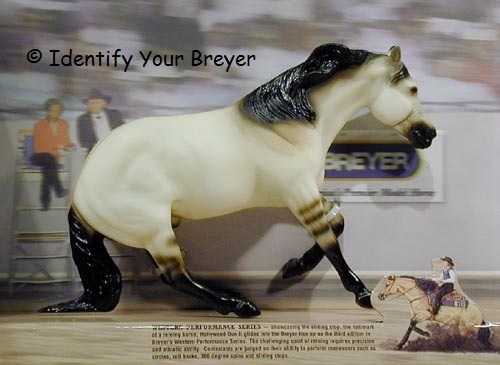
This was published in 1999 before some of the barely mentioned horses (the get and grand-get) of those featured hit the big time. Breyer collectors will note that Hollywood Dun It has a place as featured son of the last horse in the book, Hollywood Jac 86.
I recently bought a used copy of Legends 5 and am looking forward to reading it.