

What do you think?

The child, his illness and the others;: Translated from the French
Le symptôme, la parole : éléments complémentaires de ce discours que constitue une névrose ou une psychose. S'agissant d'une névrose ou d'une psychose infantile, ce discours est à la fois celui de l'enfant et de ses parents. Et l'analyste ne peut comprendre, résoudre, que pour autant qu'il repère la place qu'il va occuper à son tour (avec tout ce qui s'y investit de social) dans ce discours collectif.
Ces thèmes sont développés à travers une série de discussions et de cas. Le travail dont il est rendu compte ici a été entrepris pour l'essentiel en équipe à l'externat médico-pédagogique de Thiais. « J'insiste sur ce qui dans le discours parental va permettre ou non à l'enfant d'accéder à une parole personnelle... Il y a à faire surgir au-delà d'un mur de langage, un lieu de vérité, vérité d'un savoir que l'enfant par son symptôme colmate chez ses parents. » (Maud Mannoni) Maud Mannoni (1923-1998) fut une élève de Lacan mais se référa aussi à l’antipsychiatrie. Elle se spécialisa dans les maladies mentales des enfants. Parmi ses nombreuses publications, Le Psychiatre, son « Fou » et la psychanalyse (1979) eut un grand retentissement.
Ces thèmes sont développés à travers une série de discussions et de cas. Le travail dont il est rendu compte ici a été entrepris pour l'essentiel en équipe à l'externat médico-pédagogique de Thiais. « J'insiste sur ce qui dans le discours parental va permettre ou non à l'enfant d'accéder à une parole personnelle... Il y a à faire surgir au-delà d'un mur de langage, un lieu de vérité, vérité d'un savoir que l'enfant par son symptôme colmate chez ses parents. » (Maud Mannoni) Maud Mannoni (1923-1998) fut une élève de Lacan mais se référa aussi à l’antipsychiatrie. Elle se spécialisa dans les maladies mentales des enfants. Parmi ses nombreuses publications, Le Psychiatre, son « Fou » et la psychanalyse (1979) eut un grand retentissement.
- GenresPsychoanalysis
286 pages, Hardcover
First published January 1, 1967
About the author
Maud Mannoni
40 books10 followersMaud Mannoni fue una psicoanalista francesa de origen neerlandés, especialista en criminología. Fue fundadora hacia finales de la década del ’60 de la Escuela Experimental de Bonneuil y se le considera una figura destacada de la psicología y el psicoanálisis en Francia.
Fue quien mejor realizó el cruce entre las tradiciones teóricas de Winnicott y Lacan. Teniendo como supervisor clínico al primero, y como docente y analista al segundo, dará lugar a una obra muy original que centrará sus interrogantes en torno al lugar que ocupa el discurso parental en el síntoma del niño.
Sus investigaciones clínicas se dirigirán inicialmente hacia los niños más «relegados» por el pensamiento psiquiátrico y psicoanalítico: los débiles mentales. Como producto de ellas surgirá un texto (El niño retrasado y su madre) en el que vemos surgir con nitidez un centro de interrogaciones al que la autora habrá de volver una y otra vez en sus investigaciones posteriores: el discurso colectivo que se teje en torno al niño, y el modo en que determina su posición y su valor al interior de dicho colectivo.
Junto con F. Dolto, desplegará una noción de lo inconsciente que, promovida por J. Lacan, supondrá una subversión teórica respecto a las tesis kleinianas, dominantes en el pensamiento psicoanalítico de mediados del siglo XX en Europa.Demuestra en sus investigaciones posteriores (plasmadas en textos tales como El niño, su enfermedad y los otros, El psiquiatra, su ‘loco’ y el psicoanálisis, La educación imposible) que es en las patologías más graves de la infancia (autismo, psicosis infantil) donde se observa al niño más apresado en el discurso de los padres, y aún en la fantasmática inconsciente de estos. Su clínica buscará develar este discurso secreto, que hace del niño su objeto inerte, a fin de devolverle a éste el estatuto de sujeto de su propio discurso. Como corolario de estas investigaciones fundará, hacia finales de la década del ’60, la Escuela Experimental de Bonneuil, concebida como un «lugar de acogida» que acompañe y ayude al niño «a asumir el riesgo de vivir».
Fue quien mejor realizó el cruce entre las tradiciones teóricas de Winnicott y Lacan. Teniendo como supervisor clínico al primero, y como docente y analista al segundo, dará lugar a una obra muy original que centrará sus interrogantes en torno al lugar que ocupa el discurso parental en el síntoma del niño.
Sus investigaciones clínicas se dirigirán inicialmente hacia los niños más «relegados» por el pensamiento psiquiátrico y psicoanalítico: los débiles mentales. Como producto de ellas surgirá un texto (El niño retrasado y su madre) en el que vemos surgir con nitidez un centro de interrogaciones al que la autora habrá de volver una y otra vez en sus investigaciones posteriores: el discurso colectivo que se teje en torno al niño, y el modo en que determina su posición y su valor al interior de dicho colectivo.
Junto con F. Dolto, desplegará una noción de lo inconsciente que, promovida por J. Lacan, supondrá una subversión teórica respecto a las tesis kleinianas, dominantes en el pensamiento psicoanalítico de mediados del siglo XX en Europa.Demuestra en sus investigaciones posteriores (plasmadas en textos tales como El niño, su enfermedad y los otros, El psiquiatra, su ‘loco’ y el psicoanálisis, La educación imposible) que es en las patologías más graves de la infancia (autismo, psicosis infantil) donde se observa al niño más apresado en el discurso de los padres, y aún en la fantasmática inconsciente de estos. Su clínica buscará develar este discurso secreto, que hace del niño su objeto inerte, a fin de devolverle a éste el estatuto de sujeto de su propio discurso. Como corolario de estas investigaciones fundará, hacia finales de la década del ’60, la Escuela Experimental de Bonneuil, concebida como un «lugar de acogida» que acompañe y ayude al niño «a asumir el riesgo de vivir».
Ratings & Reviews
Friends & Following
Create a free account to discover what your friends think of this book!
Community Reviews
Displaying 1 - 3 of 3 reviews

January 27, 2012
“We understand when we're part of what we're told”
Martin Heidegger
This is a classic book on the usage of Psychoanalysis for the treatment of children with psychological problems. It was firstly published in 1967 under the title "L´enfant, sa "malaise" et les autres" [The Child, her/his "disease" and the others].
Maud Mannoni opens the book with Freud's own conviction that "Child Psychoanalysis, is THE Psychoanalysis". That was what the master said back in 1909 when he himself was in charge of the treatment and healing of a 5-year-old child with phobic neurosis.
Freud implied then the child as her/his own doctor: precisely when the child would be capable of verbalizing the sense of her/his own "disease", that is, to designate by words THAT which the symptom had as mission to hide.
Freud was listening, while in psychotherapy, to what´s "missing in the symptom" The symptom was a kind of word.
The book refers the classical case of a boy named Hans. Here, family analysis played an important/decisive role in the healing process.
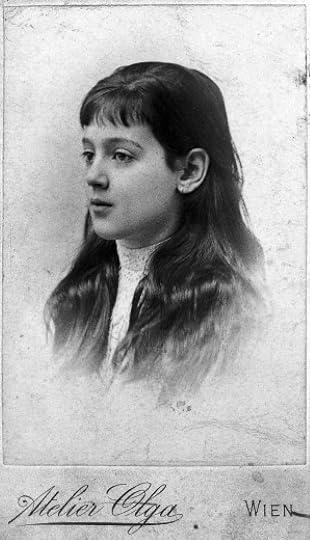
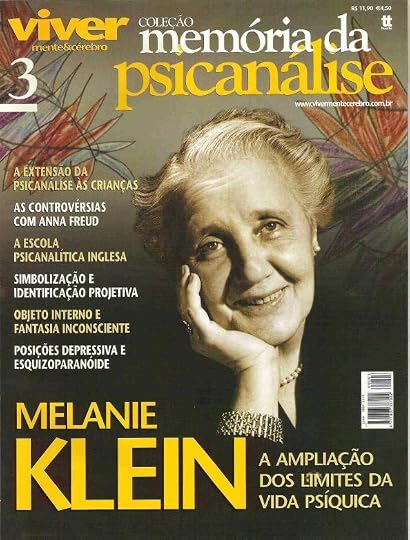
Then came the work of Mélanie Klein (approaching psychotic cases and the importance of the transference) and Anna Freud (on the ego and the defense mechanisms), among many others.
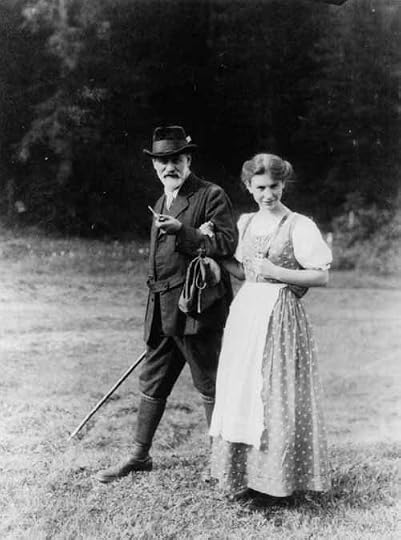 (above, S. Freud and daughter Anna Freud)
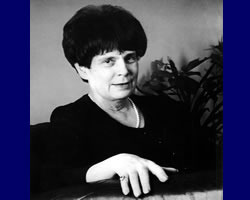
Dutch-born Maud (Magdalena) spent her early childhood in Colombo, Ceylon and studied criminology at Brussels university. She had training analysis with Belgian Maurice Dugautiez. Then, in France, she was partly influenced by the works of Françoise Dolto, the "anti-psychiatry" movement (R.D. Laing) and J. Lacan.
The present book dedicates some chapters to single-cases analysis like (1) Paul and the word of the doctor (2) Carole or the silence of the mother (3) Guy or the death of his father (4) Mireille and her question. The book concludes with a reflection on the work of analysts and educators within an institution.
Good.
UPDATE
For skeptics about Psychoanalysis, nothing like Freud, Sophie:
https://www.nytimes.com/2022/06/03/sc...
Martin Heidegger
This is a classic book on the usage of Psychoanalysis for the treatment of children with psychological problems. It was firstly published in 1967 under the title "L´enfant, sa "malaise" et les autres" [The Child, her/his "disease" and the others].
Maud Mannoni opens the book with Freud's own conviction that "Child Psychoanalysis, is THE Psychoanalysis". That was what the master said back in 1909 when he himself was in charge of the treatment and healing of a 5-year-old child with phobic neurosis.
Freud implied then the child as her/his own doctor: precisely when the child would be capable of verbalizing the sense of her/his own "disease", that is, to designate by words THAT which the symptom had as mission to hide.
Freud was listening, while in psychotherapy, to what´s "missing in the symptom" The symptom was a kind of word.
The book refers the classical case of a boy named Hans. Here, family analysis played an important/decisive role in the healing process.
Then came the work of Mélanie Klein (approaching psychotic cases and the importance of the transference) and Anna Freud (on the ego and the defense mechanisms), among many others.
(above, S. Freud and daughter Anna Freud)Dutch-born Maud (Magdalena) spent her early childhood in Colombo, Ceylon and studied criminology at Brussels university. She had training analysis with Belgian Maurice Dugautiez. Then, in France, she was partly influenced by the works of Françoise Dolto, the "anti-psychiatry" movement (R.D. Laing) and J. Lacan.
The present book dedicates some chapters to single-cases analysis like (1) Paul and the word of the doctor (2) Carole or the silence of the mother (3) Guy or the death of his father (4) Mireille and her question. The book concludes with a reflection on the work of analysts and educators within an institution.
Good.
UPDATE
For skeptics about Psychoanalysis, nothing like Freud, Sophie:
https://www.nytimes.com/2022/06/03/sc...
October 25, 2022
"As a clinician Freud is firstly interested in listening to what's missing in the symptom... which he considers to be like a word..."
"The symptom shows up as a codified expression, mother didn't accept...."
"The speech of the child (especially the psychotic...one) provides us always with a particular type of relationship with her mother"
A must-read, especially when expounding on children with psychotic symptoms and disorders. Lacan's perspectives help in the explanation. A special attention is given, as sign of improvements, to the use of the "word" by the patients (and family).
"The symptom shows up as a codified expression, mother didn't accept...."
"The speech of the child (especially the psychotic...one) provides us always with a particular type of relationship with her mother"
A must-read, especially when expounding on children with psychotic symptoms and disorders. Lacan's perspectives help in the explanation. A special attention is given, as sign of improvements, to the use of the "word" by the patients (and family).
Read
December 29, 2013Interesting read, especially what with the current controversy in France over how psychoanalysis encounters autism...
Displaying 1 - 3 of 3 reviews