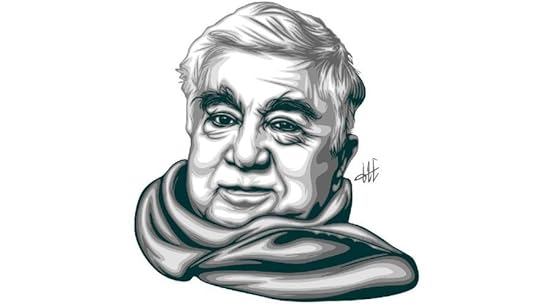
آنچه که زندگی قهرمانان مجموعهٔ «حرفبزنمیا نزنم» را برای مخاطب ملموس و قابل فهم میسازد نه شیوهٔ نگارش ماندگار عزیز نسین است و نه تسلط او بر ادبیات ترکیه. این شیوههٔ زندگی نویسنده است که در تمامی سطور کتاب جاری است . از تجریبهٔ دستفروشی و حسابداری تا روزنامهنگاری و کسب جوایز معتبر، داستانهای این کتاب را تبدیل به کاریکاتوری از حیات عزیز نسین نموده است. در بخشی از کتاب میخوانیم:
قرنهاست که انسان برای اثبات اینکه حیوان است خیلی زحمت کشیده و الحق که فلاسفه و دانشمندان هم در این راه از هیچ کوششی فروگذار نکردهاند. مثل اینکه فلاسفه کاری نداشتهاند جز اینکه حیوان بودن انسان را به رخش بکشند. میبینید اگر اختلاف نظری هم هست مربوط به خندان و متفکر بودن انسان است ، اما در مورد حیوان بودنش هیچ تردیدی ندارند و برای اثبات این مدعا چه آثاری که بوجود نیاوردهاند …
Aziz Nesin was a Turkish humorist and author of more than 100 books. Nesin was born in 1915 on Heybeliada, one of the Princes' Islands of Istanbul, in the days of the Ottoman Empire. After serving as a career officer for several years, he became the editor of a series of satirical periodicals with a socialist slant. He was jailed several times and placed under surveillance by the National Security Service (MAH in Turkish) for his political views. Among the incriminating pieces of evidence they found against him during his military service was his theft and sale for 35 Lira of two goats intended for his company—a violation of clause 131/2 of the Military Penal Code. One 98-year-old former MAH officer named Neşet Güriş alleged that Nesin was in fact a MAH member, but this has been disputed
Nesin provided a strong indictment of the oppression and brutalization of the common man. He satirized bureaucracy and exposed economic inequities in stories that effectively combine local color and universal truths. Aziz Nesin has been presented with numerous awards in Turkey, Italy, Bulgaria and the former Soviet Union. His works have been translated into over thirty languages. During latter parts of his life he was said to be the only Turkish author who made a living only out of his earnings from his books.
On 6 June 1956, he married a coworker from the Akbaba magazine, Meral Çelen.
In 1972, he founded the Nesin Foundation. The purpose of the Nesin Foundation is to take, each year, four poor and destitute children into the Foundation's home and provide every necessity - shelter, education and training, starting from elementary school - until they complete high school, a trade school, or until they acquire a vocation. Aziz Nesin has donated, gratis, to the Nesin Foundation his copyrights in their entirety for all his works in Turkey or other countries, including all of his published books, all plays to be staged, all copyrights for films, and all his works performed or used in radio or television.
Aziz Nesin was a political activist. After the 1980 military coup led by Kenan Evren, the intelligentsia was oppressed. Aziz Nesin led a number of intellectuals to take a stand against the military government, by issuing the Petition of Intellectuals (Turkish: Aydınlar Dilekçesi).
He championed free speech, especially the right to criticize Islam without compromise. In early 1990s he started a translation of Salman Rushdie's controversial novel, The Satanic Verses. This made him a target for radical Islamist organizations, who were gaining popularity throughout Turkey. On July 2, 1993 while attending a mostly Alevi cultural festival in the central Anatolian city of Sivas a mob organized by radical Islamists gathered around the Madimak Hotel, where the festival attendants were accommodated, calling for Sharia and death to infidels. After hours of siege, the mob set the hotel on fire. After flames engulfed several lower floors of the hotel, firetrucks managed to get close, and Aziz Nesin and many guests of the hotel escaped. However, 37 people were killed. This event, also known as the Sivas massacre, was seen as a major assault on free speech and human rights in Turkey, and it deepened the rift between religious- and secular-minded people.
He devoted his last years to fighting ignorance and religious fundamentalism.
Aziz Nesin died on July 6 1995 due to a heart attack, after a book signing event in Çeşme, İzmir. After his death, his body was buried in an unknown location in the land of Nesin Foundation without any ceremony, as suggested by his will.
فکر کنم میشد به عنوان اولین کتابی که از عزیز نسین میخونم، اثر بهتری رو انتخاب کنم و با قلم نویسنده آشنا بشم. به هرحال این کتاب رو دوست داشتم. بعضی داستانهاش واقعا جالب بود. از داستان دیار آرامش هم بیشتر از بقیه خوشم اومد.
اولین کتابی که از عزیز نسین خوندم با ترجمهی ثمین باغچهبان که بسیار روان و عالی بود. با داستانهای کوتاه ملموس. داستان ثواب داره رو خیلی دوست داشتم، بعضی از داستانهاش هم اینشکلی بود که انگار نویسنده میخواسته درس زندگی بده، نه در لفافه، بلکه کاملاً مستقیم چیزی رو نهی کرده. قلم این نویسندهی ترک رو دوست داشتم و در آینده بیشتر ازش میخونم.
Well, this is weird. First of all, my sincerest apologies for not writing this review in Persian. (I read the book in Persian)
Aziz Nesin was a Turkish writer. Mostly a writer of satirical short stories about the anomalies of his society. As satire typically is.
I read his novel "Pakhma" when I was about 15. And I remember having a great time with it. The man was really talented.
This book is a collection of short stories Aziz Nesin has written from his own days at different odd jobs he did. Some of these stories are really funny. Laugh-Out-Loud funny! While some of them are just Okay! (Readable but forgettable)
I had a good time with this one. It was short and had the Aziz Nesin Charm.
بهعنوان اولین اثر که از عزیزنسین خواندم، گیرایی و روان بودن به طور ملموس آشکار بود. داستان های کوتاهی که به راحتی میتوانی خود را به جای شخصیتهای آن قرار داد و داستان را تمام و کمال درک کرد. بعضی از این داستانها لبخندهای تلخ برلب نهاده و همین نکته علیرغم خواندن و بیان واقعیتها از دید یک نویسنده، کتاب را از یکنواختی خارج میکند. کلام آخر کتابیست که ارزش یکبار خواندن و ( در صورت لذت بردن از قلم نویسنده و مترجم، میتوان چندبار خواند) و زمانی برایش سپری کرد را دارد.
این کتاب اولین اثری است که از عزیز نسین خواندم. زیاد طرفدار داستان های کوتاه نیستم، این کتاب هم چندان جذبم نکرد. داستان های طعنه آمیزی که بعضا به زیبایی روایت شده اند.