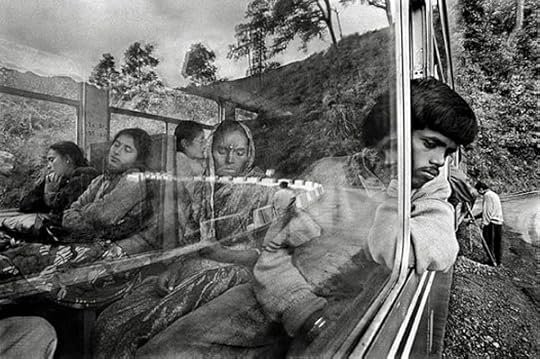
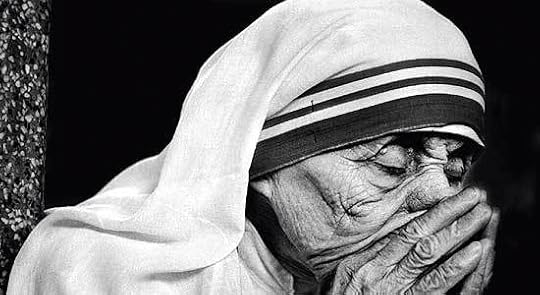
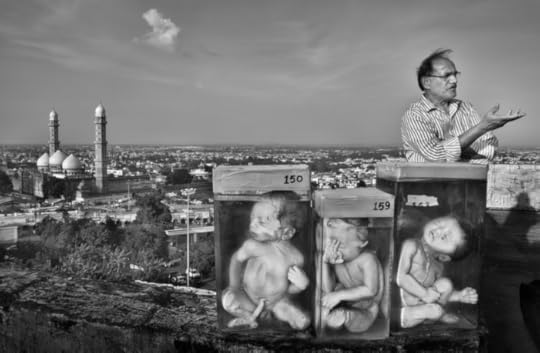
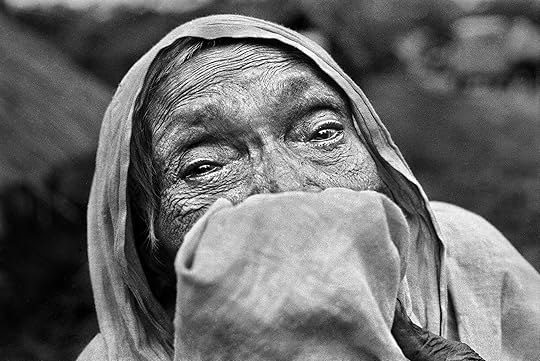
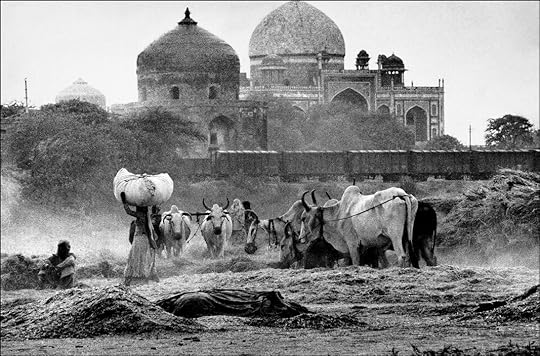
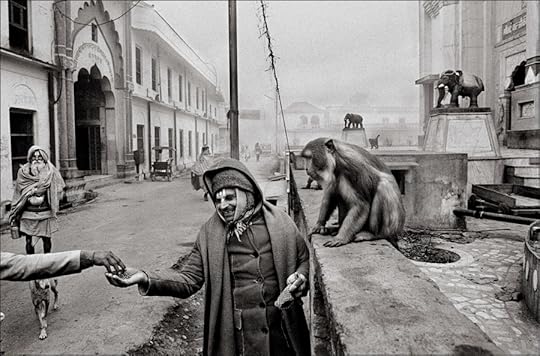
In Picturing Time, Raghu Rai, India's greatest living photographer, puts together the finest pictures he has taken over the course of a career that spans fifty years. His photographs of war, faith, monuments like the Taj Mahal, ordinary Indians, our greatest leaders, saints and charlatans, deserts and much else besides in black and white, and in colour, are imprinted on our memory. However, they have never been collected before in a single book. To add to our appreciation of these extraordinary pictures, most of them are accompanied by the photographer's insights into how, when and why the photographs were taken. To mark this landmark in his legendary career, he has put together, for the first time, the definitive selection of his finest pictures, across a variety of themes, along with the stories behind the photographs. Timeless, often unsettling, and always unforgettable, these pictures will change the way we see our world.
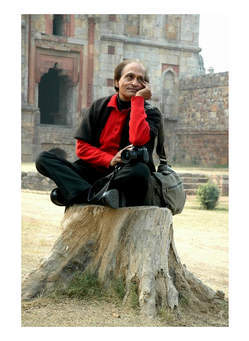
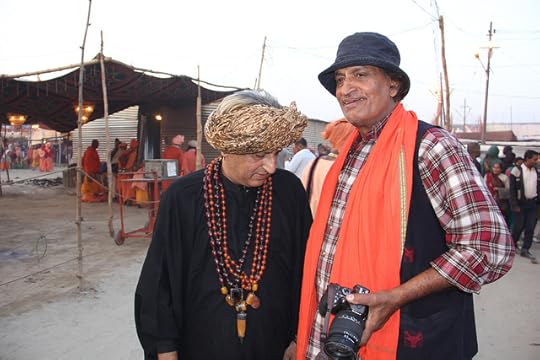
Raghunath Rai Chowdhry (born 1942), known as Raghu Rai, is an Indian photographer and photojournalist. He was a protégé of Henri Cartier-Bresson, who appointed Rai, then a young photojournalist, to Magnum Photos in 1977.
Rai became a photographer in 1965, and a year later joined the staff of The Statesman, a New Delhi publication. In 1976, he left the paper and became a freelance photographer.[citation needed] From 1982 until 1992, Rai was the director of photography for India Today. He has served on the jury for World Press Photo from 1990 to 1997. He is known for his books, Raghu Rai's India: Reflections in Colour and Reflections in Black and White.
A few years ago, I was at the Agrasen ki Baoli in Delhi. The Baoli was meant to store water but instead it was clean, dry and had tourists. Always wanted to know the history and story behind it. Sometime in the 1970's Raghu Rai captured a brilliant and powerful image of three boys jumping into the dark, cool waters of the Baoli which had overgrown branches and roots at the top. How times change!
All the photographs, specially the early years are a fine specimen of a country growing after independence, navigating through iconic personalities, tragedies and finding love. Black and White as a medium lends a strong ethos to the photos.
A wonderful journey through the lens of an exceptionally gifted photographer of modern India—Rai depicts the story of India over 50 years through great images. We get the visual experience about significant events: the deaths of LBS and I. Gandhi, Smiling Buddha, the Bhopal Gas Tragedy, Ayodhya, Kargil—and also some weirdly silly, random gems: a chaiwala from the Delhi-Mumbai train, seagulls on the Yamuna, Durga Visarjan, and so on, all of which wonderfully portray this land. Additionally, I also loved the photographs of B. Thackeray and Bismillah Khan Ji.
Raghu Rai is my favorite photographer of all time, and this journey through his career is very much a photo history of India, that is many ways even more compelling as it captures a certain tenacity and spirit of a fighting nation through ups and downs on a path of upward mobility. From an evil-looking portrait of Zia to pictures of ghat crowds along the Ganga, this is a compelling chronicle of the country. Although I am not typically very interested in picture books, I have found myself revisiting this book a lot.
The photo of the child burial at Bhopal Gas Tragedy shook me to the very core. The photographs are absolutely brilliant as one would expect. I don't think I will forget even one of them. The introduction really sums up the life you see in the pictures.
With some really good photographs within, Raghu Rai manages to narrate India's history in parts - something so complicated that I have often felt photographs help ease into the narrative.