

What do you think?

کورس
چاپ اول این کتاب در زمستان 2536 به پایان رسید
شماره ثبت در کتابخانه ملی 1373 به تاریخ
2536/9/14
شماره ثبت در کتابخانه ملی 1373 به تاریخ
2536/9/14
98 pages, ebook
First published January 1, 1969
About the author
Nikos Kazantzakis
67 books4,484 followersNikos Kazantzakis (Greek: Νίκος Καζαντζάκης) was a Greek writer, journalist, politician, poet and philosopher. Widely considered a giant of modern Greek literature, he was nominated for the Nobel Prize in Literature in nine different years, and remains the most translated Greek author worldwide.
Ratings & Reviews
Friends & Following
Create a free account to discover what your friends think of this book!
Community Reviews
Displaying 1 - 6 of 6 reviews

May 16, 2015
در سایتی خواندم:کورُس به معنای مرد جوان است و از آنجا که کازانتزاکیس علاقه بسیاری به آثار نیچه داشته ، شاید مرد جوان تداعیگر همان انسان برتر از نگاه نیچه باشد
برای شناخت "ابر مرد" نیچه به چندین سایت سرزدم ولی تفسیرها خیلی متفاوت بودند
:درمورد کتاب
در این کتاب،کازنتزاکیس فلسفه فکری اش را در یک افسانه یونانی قرار داده و بواسطه این شخصیت ها با خواننده حرف می زند
تسئوس شاهزاده جوان آتنی است که شهرش خراج سنگینی برای کرت می فرستد.هر سال6 جفت مرد و زن جوان برای غذای مینوتور؛غولی که پیکر انسان و سر گاو دارد
در افسانه ها آمده:پوزئیدون، خدای دریاها، در خشمی که بر"مینوس" شاه جزیرهٔ کِرِت گرفته بود، همسرش را دیوانهوار عاشق گاوی کرد که خودش برای قربانی به نزد مینوس فرستاده بود. مینوتور در اثر همخوابگی پازیفائه همسر مینوس با این گاو وحشی بهوجود آمد
تعریف سایتی از ابرمرد نیچه:انسانی که براستی به قلمرو آزادی گام نهاده و از ترس و خرافه و پندارهایی که تا کنون بر اندیشه بشر حکمفرما بوده رهایی یافته است
تسئوس به هیچ زنی دست نزده و خود را از هر شهوتی پاک نگه داشته است.با اینکه شجاعت و جسارت زیادی دارد اما جرات نمی کند با آریادنه شاهدخت زیبای کرتی که هر روز با گاوهای نر زورآزمایی میکند کشتی بگیرد
آریادنه به او میگوید: برای کشتی گرفتن باید در آغوشم بگیری و تو می ترسی! از عطر گیسویم می ترسی،از دالان تاریک و پیچاپیچ تنم، که وارد اگر بشوی
...زنده بر نخواهی گشت
تسئوس برای کشتن مینوتور و تغییر جهان باید پاکدامن باشد.تسئوس همراه خود خدایی نو دارد تا خدای کهن کرتی ها را از بین ببرد
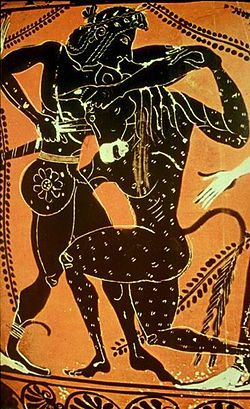
نقشی بر روی سفال که مبارزه تسئوس و مینوتور در لابیرنت را نشان میدهد
مینوس پادشاه کرت حقیقت را گردن می نهد و همانطور که روزی او آمد و جهان را عوض کرد جوانی مانند تسئوس هم دنیای او را از بین خواهد برد و دنیا جدید
...خواهد ساخت و تسئوس دیگری هم دنیای این تسئوس را ویران خواهد کرد
*************
کازنتزاکیس ادامه افسانه را نیاورده است یعنی قسمتی که تسئوس ،آریادنه را در جزیره ای آن هم در حالی که خواب بوده تنها می گذارد
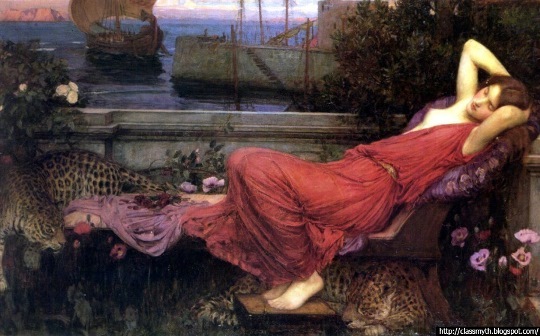
آریادنه بیدار شده ولی نمی خواهد دور شدن کشتی تسئوس را باور کند
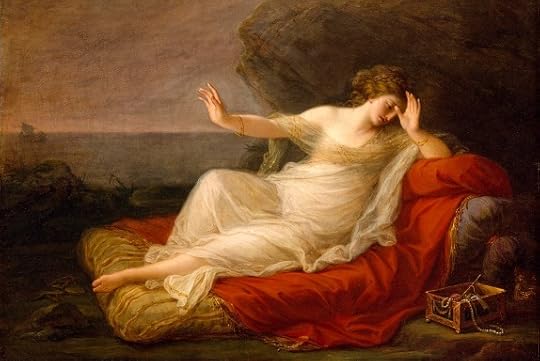
یأس آریادنه

زوربا اگر چنین صحنه غم انگیزی را می دید مطمئنم آرزو می کرد: ای کاش دستم به تسئوس و مخصوصا نیچه و تمام ابرد مردها میرسید
:)
.....
اسکندر و ناپلئون شاید جزو ابر مرد های نیچه باشد؛ مردانی که باعث تغییر جهان در زمان خود شدند،البته خونریزی های زیادی هم انجام دادند
مردانی مانند تسئوس که هیچ چیزی بر اراده شان تزلزلی وارد نکرده
ماجرای دیوژن و اسکندر
اسکندر کبیر به دیدار دیوژن رفت که در زیر آفتاب لمیده بود و گفتوگوی جالبی میان آن دو فاتح بزرگ - یک فاتحی که در پی تسخیر دنیایی بود و دیگری بر آن بود که بر روح خویش تسلط یابد در گرفت.
دیوژن: ای سردار بزرگ، بزرگترین آرزوی تو اکنون چیست؟
اسکندر: یونان را به زیر فرمان بیاورم
دیوژن: پس از آن؟
اسکندر: آسیای صغیر را تسخیر کنم
دیوژن: و پس از آن؟
اسکندر: به استراحت بپردازدم و لذت ببرم
!دیوژن: چرا هم اکنون استراحت نمیکنی و لذت نمیبری؟
میگویند اسکندر از نصیحت دیوژن اظهار امتنان کرد و پرسید: آیا خدمتی از من بر میآید که در حق تو به جا آورم؟
آری. خواهش میکنم سایه خود را که میان من و نور خورشید حایل است، از سرم کم کنید
اسکندر از این سخن به خنده افتاد و گفت:اگر من اسکندر نبودم، دلم میخواست دیوژن باشم نه کس دیگر
بیم و هراس را در دل دیوژن هیچ راه نبود، گفت:اگر من دیوژن نبودم دلم میخواست هر کس دیگر باشم غیر از اسکندر
برای شناخت "ابر مرد" نیچه به چندین سایت سرزدم ولی تفسیرها خیلی متفاوت بودند
:درمورد کتاب
در این کتاب،کازنتزاکیس فلسفه فکری اش را در یک افسانه یونانی قرار داده و بواسطه این شخصیت ها با خواننده حرف می زند
تسئوس شاهزاده جوان آتنی است که شهرش خراج سنگینی برای کرت می فرستد.هر سال6 جفت مرد و زن جوان برای غذای مینوتور؛غولی که پیکر انسان و سر گاو دارد
در افسانه ها آمده:پوزئیدون، خدای دریاها، در خشمی که بر"مینوس" شاه جزیرهٔ کِرِت گرفته بود، همسرش را دیوانهوار عاشق گاوی کرد که خودش برای قربانی به نزد مینوس فرستاده بود. مینوتور در اثر همخوابگی پازیفائه همسر مینوس با این گاو وحشی بهوجود آمد
تعریف سایتی از ابرمرد نیچه:انسانی که براستی به قلمرو آزادی گام نهاده و از ترس و خرافه و پندارهایی که تا کنون بر اندیشه بشر حکمفرما بوده رهایی یافته است
تسئوس به هیچ زنی دست نزده و خود را از هر شهوتی پاک نگه داشته است.با اینکه شجاعت و جسارت زیادی دارد اما جرات نمی کند با آریادنه شاهدخت زیبای کرتی که هر روز با گاوهای نر زورآزمایی میکند کشتی بگیرد
آریادنه به او میگوید: برای کشتی گرفتن باید در آغوشم بگیری و تو می ترسی! از عطر گیسویم می ترسی،از دالان تاریک و پیچاپیچ تنم، که وارد اگر بشوی
...زنده بر نخواهی گشت
تسئوس برای کشتن مینوتور و تغییر جهان باید پاکدامن باشد.تسئوس همراه خود خدایی نو دارد تا خدای کهن کرتی ها را از بین ببرد
نقشی بر روی سفال که مبارزه تسئوس و مینوتور در لابیرنت را نشان میدهد
مینوس پادشاه کرت حقیقت را گردن می نهد و همانطور که روزی او آمد و جهان را عوض کرد جوانی مانند تسئوس هم دنیای او را از بین خواهد برد و دنیا جدید
...خواهد ساخت و تسئوس دیگری هم دنیای این تسئوس را ویران خواهد کرد
*************
کازنتزاکیس ادامه افسانه را نیاورده است یعنی قسمتی که تسئوس ،آریادنه را در جزیره ای آن هم در حالی که خواب بوده تنها می گذارد
آریادنه بیدار شده ولی نمی خواهد دور شدن کشتی تسئوس را باور کند
یأس آریادنه
زوربا اگر چنین صحنه غم انگیزی را می دید مطمئنم آرزو می کرد: ای کاش دستم به تسئوس و مخصوصا نیچه و تمام ابرد مردها میرسید
:)
.....
اسکندر و ناپلئون شاید جزو ابر مرد های نیچه باشد؛ مردانی که باعث تغییر جهان در زمان خود شدند،البته خونریزی های زیادی هم انجام دادند
مردانی مانند تسئوس که هیچ چیزی بر اراده شان تزلزلی وارد نکرده
ماجرای دیوژن و اسکندر
اسکندر کبیر به دیدار دیوژن رفت که در زیر آفتاب لمیده بود و گفتوگوی جالبی میان آن دو فاتح بزرگ - یک فاتحی که در پی تسخیر دنیایی بود و دیگری بر آن بود که بر روح خویش تسلط یابد در گرفت.
دیوژن: ای سردار بزرگ، بزرگترین آرزوی تو اکنون چیست؟
اسکندر: یونان را به زیر فرمان بیاورم
دیوژن: پس از آن؟
اسکندر: آسیای صغیر را تسخیر کنم
دیوژن: و پس از آن؟
اسکندر: به استراحت بپردازدم و لذت ببرم
!دیوژن: چرا هم اکنون استراحت نمیکنی و لذت نمیبری؟
میگویند اسکندر از نصیحت دیوژن اظهار امتنان کرد و پرسید: آیا خدمتی از من بر میآید که در حق تو به جا آورم؟
آری. خواهش میکنم سایه خود را که میان من و نور خورشید حایل است، از سرم کم کنید
اسکندر از این سخن به خنده افتاد و گفت:اگر من اسکندر نبودم، دلم میخواست دیوژن باشم نه کس دیگر
بیم و هراس را در دل دیوژن هیچ راه نبود، گفت:اگر من دیوژن نبودم دلم میخواست هر کس دیگر باشم غیر از اسکندر

October 9, 2024
I only read through Melissa again, and this was in preparation for a paper that I am giving tomorrow on historical allegorism and Kazantzakis' commentary on the Fourth of August Regime through this play. I will admit that it is growing on me just a little. /Just a little/.

August 22, 2018
Melissa was the best play.
Exceptional play.
Exceptional play.

June 18, 2021
هر نویسندهی چیرهدستی در نمایشنامه نیز خودآزمایی کرده. کازانتزاکیس چه سربلند بیرون آمد.

November 3, 2021
Re-Read (08-11-2023): re-read (again) for my MSt, and copiously annotated. If you're around in Oxford, come to my talk on K and M in Ioannou, on Tuesday (14-11-2023).
Re-Read (14-07-2023): re-read for my MSt, ladies - all of them, this time. Really enjoyed Columbus!
Once again, in 2022, just read Kouros. Still as brilliant as ever.
read for *uni* for cl4668 - classics & the left
unfortunately for all of your goodreads feeds, i have chosen nikos kazantzakis to complete my extended research on for this module, and he was /quite/ the prolific author, so i am reading a Lot of his stuff...
here, though, i only read one of these three plays, because the individual plays do not exist as single publications in english. the play i focused on was kouros, comparing it to At the Palaces of Knossos, a children's book written by kazantzakis about thirty years before - we think. both texts tackle the myth of theseus and the minotaur through a leftist lens, but kouros does so in a much more mature manner - minos is not uncomplicatedly demonised, theseus is not uncomplicatedly heroised, and the ending is staggering. i'll quote it fully, here, just so you can get the gist:
'minos: i know him
ariadne: who is he?
minos: the liberator; the liberated; be still!
ariadne: and what is he holding in his hand? i cannot discern it.
minos: he holds the mask of a bull. he has been freed. he is free at last! completely free, from his feet to his head!
theseus: comrade, welcome!
ariadne: father we are lost. he extends his arm as though to take possession of the whole world!
minos: he is conquering the world, daughter.
ariadne: oh, he throws down the mask with such scorn!
minos: he is free. now he can walk in the sun.
ariadne: he sees us and he smiles. now he is walking toward us.
minos: kneel and worship him, daughter.
ariadne: and you, father?
minos: ariadne, my beloved daughter, my mission is ended, now i will descend to hades. farewell!
theseus: (raises his hands, motions to kouros): comrade, come, let us go!'
Re-Read (14-07-2023): re-read for my MSt, ladies - all of them, this time. Really enjoyed Columbus!
Once again, in 2022, just read Kouros. Still as brilliant as ever.
read for *uni* for cl4668 - classics & the left
unfortunately for all of your goodreads feeds, i have chosen nikos kazantzakis to complete my extended research on for this module, and he was /quite/ the prolific author, so i am reading a Lot of his stuff...
here, though, i only read one of these three plays, because the individual plays do not exist as single publications in english. the play i focused on was kouros, comparing it to At the Palaces of Knossos, a children's book written by kazantzakis about thirty years before - we think. both texts tackle the myth of theseus and the minotaur through a leftist lens, but kouros does so in a much more mature manner - minos is not uncomplicatedly demonised, theseus is not uncomplicatedly heroised, and the ending is staggering. i'll quote it fully, here, just so you can get the gist:
'minos: i know him
ariadne: who is he?
minos: the liberator; the liberated; be still!
ariadne: and what is he holding in his hand? i cannot discern it.
minos: he holds the mask of a bull. he has been freed. he is free at last! completely free, from his feet to his head!
theseus: comrade, welcome!
ariadne: father we are lost. he extends his arm as though to take possession of the whole world!
minos: he is conquering the world, daughter.
ariadne: oh, he throws down the mask with such scorn!
minos: he is free. now he can walk in the sun.
ariadne: he sees us and he smiles. now he is walking toward us.
minos: kneel and worship him, daughter.
ariadne: and you, father?
minos: ariadne, my beloved daughter, my mission is ended, now i will descend to hades. farewell!
theseus: (raises his hands, motions to kouros): comrade, come, let us go!'

October 11, 2014
Christopher Columbus *** – I don’t know a lot about Christopher Columbus, but having read this play at the same time as Hart Crane’s The Bridge (which features a monologue by Columbus), he is portrayed as having fanatical interests in religion and mammon (money/titles). In Kazantzakis’ play Columbus even admits to killing a man in cold blood to get his map.
Kazantzakis’ Columbus is a scheming, and delusional, megalomaniac. Columbus believes God has declared that the new world will arise from the ocean for him. He demands to be named Great Admiral of the Ocean and Regent of India. He wants 10 percent of goods that come from his land for himself and his children – into perpetuity.
The play starts off strong with the conflicting and mysterious motives of the Friar, the Abbot Captain Alonso and Columbus. Soon, however, the plays settles into a discussion of ideas, interesting by not very dynamic on the stage.
In the end, Columbus is warned by angels not to set foot on the land he finds, but the temptation is too much for him. With the new world in sight, the play ends in a mix of dread and celebration.
Kazantzakis’ Columbus is a scheming, and delusional, megalomaniac. Columbus believes God has declared that the new world will arise from the ocean for him. He demands to be named Great Admiral of the Ocean and Regent of India. He wants 10 percent of goods that come from his land for himself and his children – into perpetuity.
The play starts off strong with the conflicting and mysterious motives of the Friar, the Abbot Captain Alonso and Columbus. Soon, however, the plays settles into a discussion of ideas, interesting by not very dynamic on the stage.
In the end, Columbus is warned by angels not to set foot on the land he finds, but the temptation is too much for him. With the new world in sight, the play ends in a mix of dread and celebration.
Displaying 1 - 6 of 6 reviews