Although Taiyo Matsumoto desired a career as a professional soccerplayer at first, he eventually chose an artistic profession. He gained his first success through the Comic Open contest, held by the magazine Comic Morning, which allowed him to make his professional debut. He started out with 'Straight', a comic about basketball players. Sports remain his main influence in his next comic, 'Zéro', a story about a boxer.
In 1993 Matsumoto started the 'Tekkonkinkurito' trilogy in Big Spirits magazine, which was even adapted to a theatre play. He continued his comics exploits with several short stories for the Comic Aré magazine, which are collected in the book 'Nihon no Kyodai'. Again for Big Spirits, Taiyo Matsumoto started the series 'Ping Pong' in 1996. 'Number Five' followed in 2001, published by Shogakukan.
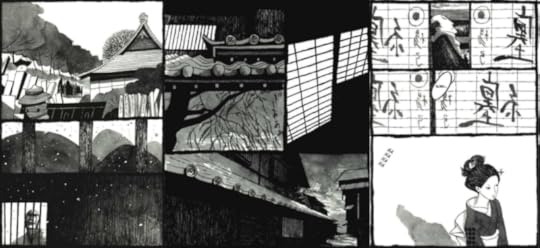
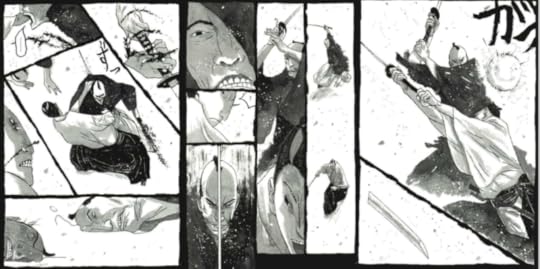
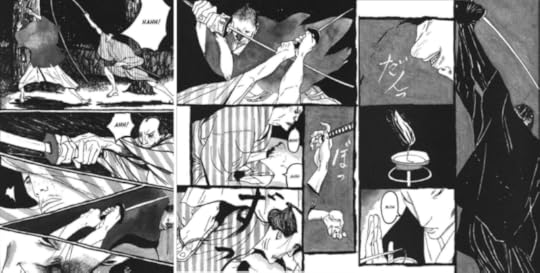
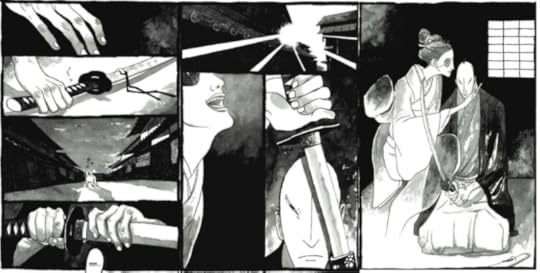
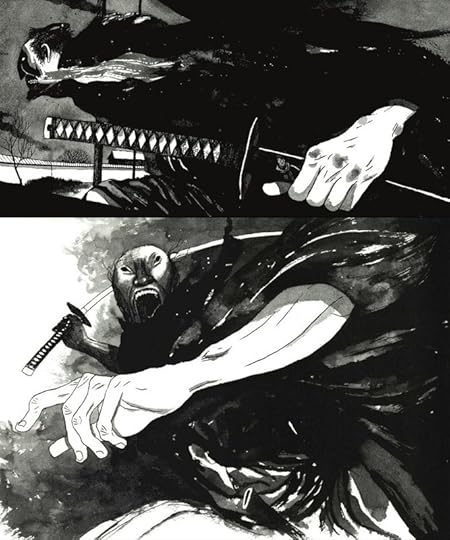
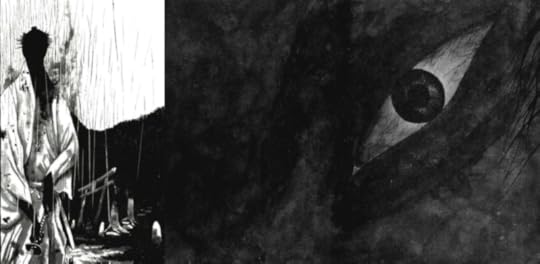
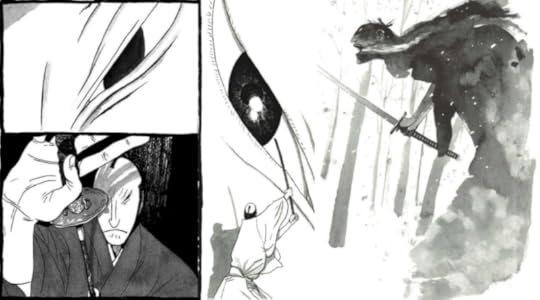
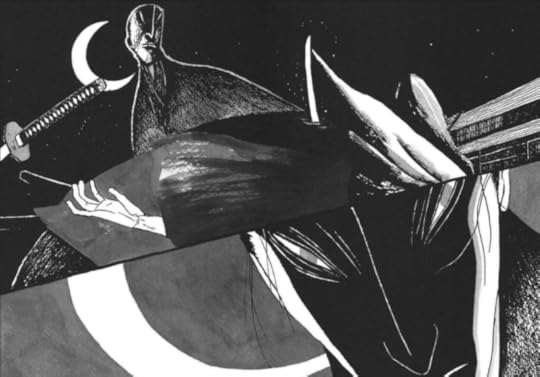
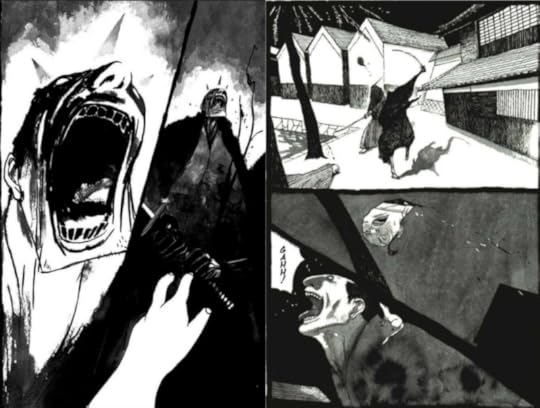
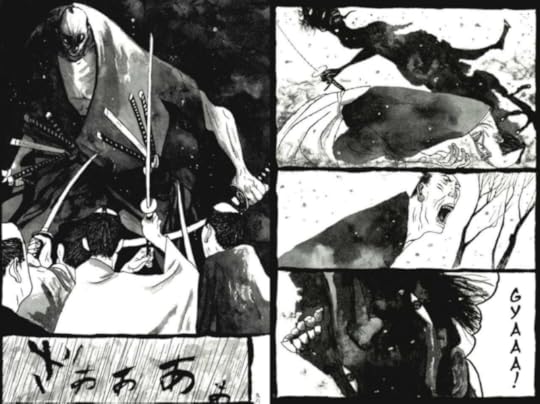
This series marks YET ANOTHER turning point in both Matsumoto's style, story, and maturity as an artist. Firstly, starting with this series, you can see a clear change in the type of story he chose to tell. Compared to the passionate sports manga of his early years or the experimental works after that, this series is much longer and develops gradually (but nevertheless interesting enough to keep the reader's attention). Furthermore, he chose an adult protagonist (something that's rarely done in the genre), which opens his story up to wider discussions about life and society in a way that his previous works were constrained from doing. This change in story style is also accompanied by a change in his art style. Since this piece, Matsumoto started using ink brushes+pen, instead of using only pen to draw. In fact, in this series, ink is used more commonly than pen, because it adds to the Edo period aesthetics. The result is just 0wjfwieofjpjwaiefja beautiful you have to see it for yourself. When using ink as a medium, unless you're using the dry-brush technique, everything should look like it's done in one brush, or else different strokes would overlap and look weird. As a result, every panel in this series just looks immaculately clean and flows beautifully. This starkly contrasts the chaotic lines of his pen-period works, and clearly shows this sense of tranquility and maturity that has developed in him as an artist, and in turn his works.
This incredible series that was perfect in every way ends beautifully as it should. I will miss everything about this book but I have the rest of Matsumoto’s work to discover now. I really hope Viz brings this to English readers, it’d be a crime not to.
To learn something new and then to put it into practice at the right time: is this not a joy?
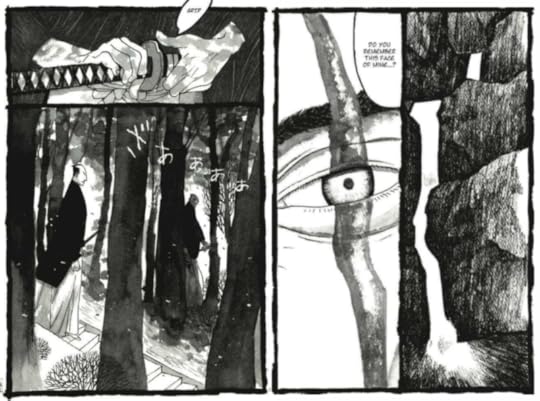
Verujem da ću smoriti screenshot-ovima i izvinjavam se unapred, ali meni se Macumotov crtež neverovatno dopao ovde. Sama Iseieva priča bez ovakvog crteža ne bi bila ništa posebno. Ovde crtež priču podiže na mnogo viši nivo. Prelep mi je u svoj svojoj specifičnosti, jednostavnosti, fluidnosti, elegantnost, sanjivosti, poetičnosti, ima tu prizvuka tradicije, kaligrafije, kadriranje mi se sviđa... ma ne znam kako bih ga više nahvalila. Sve i da priče (teksta) nema, crtež bi mogao odlično da funkcioniše sam za sebe i bude posebno umetničko delo. S druge strane, sigurna sam da ovaj crtež nije svačija šoljica čaja.
Što se same priče tiče, ona je u neku ruku prilično jednostavna, a opet ima dubinu i dirne čoveka. Nije tipična samurajska manga. Biće borbi, ali ne na svakoj drugoj strani.
Ovde će se provlačiti priče o jednom svakodnevnom životu u Edu, klasne razlike, poreklo, neke intrige i misterije kojim se razbija taj mirno-dosadni život i to će čitaoca držati dovoljno u neizvesnosti da se od mange neće tako lako odvojiti. Takođe, biće dotaknuti i portretisani još neki likovi čija uloga nije zanemarljiva i koji će na neki način dopunjavati sliku i priliku glavog lika, a istovremeno i imati svojih pet minuta pozornice.
Glavni lik je ronin Senou Souchiro, koji je radio kao samuraj u Shinanu, a potom se povukao u Edo. Usamljeni mladić je željan jednog običnog, bezbrižnog, povučenog (neko bi rekao dosadnog) života. Želi da obnovi svoju nekada jaku vezu s prirodom, da je čuje, da mu priča, da se razumeju i da uživa u malim svakodnevnim stvarima. Odmah na početku saznajemo da je svoju katanu, zvanu Kunifusa, prodao i da sada za pojasom nosi katanu za treniranje od bambusa. Ali na to će mu jedan prijatelj, koga će steći u Edu, reći sledeće - Even if you carry only bamboo now, the demon in your heart will not disappear. Veza koju ima sa Kunifusom je vrlo zanimljivo prikazana kroz kadrove u kojima se Kunifusa javlja u obliku ženskog "duha iz boce". Tu je kao nevidljivi saputnik, kao sagovornik, ali i kao demon i progonitelj.
A ljudi kojima je u priči potreban neprijatelj da bi bila dobra, neka ne brinu - biće neprijatelja i u samom čoveku i oko njega.
Saznajemo da Sou želi da pobegne od svog pređašnjeg života, od mača i od pomenutog demona u sebi, koji će na svakih malo u nekim prilikama izroniti na površinu. Čak će mu i dečak po imenu Kan, sa kojim će se sprijateljiti i imati jednu toplu vezu, reći da u momentima borbe izgleda strašno, gotovo zaposednuto. Sou je demona u sebi vrlo svestan i plaši ga se. Na isto ga je nekad upozoravala i majka rečima - You are possessed by something. If you hold a sword, you shall not remain human.
Ono što je možda zanimljivo istaći jeste da ga autor u nekim momentima borbe prikazuje kao lisicu, a tako ga oslovljavaju i pojedini likovi u ovoj priči.
Jedan od njegovih ozbiljnih/glavnih neprijatelja, Kikuchi Shinnosuke, je prikazan i kao potpuni pomahnitali divljak koji ubija radi ubijanja... nekako besciljno. Iako mi se na momenat čini da je njegov lik plitak i da je pisac mogao više da ga iskoristi, ipak u dosta navrata sam mogla da osetim u njemu velik jed, bes i da je preplavljen žeđu za krvi (ali da li samo krvi?), kao i da ga sve to čini na momente gotovo maloumnim i neuračunljivim. Kasnije će nam biti otkriveno da je i njega možda neki događaj iz detinjstva žigosao, slično kao Senoua, i odredio mu dalju sudbinu.
Kraj mange neko može smatrati tužnim, neko srećnim. Pretpostavljam da ima i jednog i drugog. Nisam sigurna da li nam pisac poručuje da koliko god se borili i koprcali da vodimo život po svojoj želji i zamisli, daleko od rođenjem nametnutih/zacrtanih obaveza i (ne)izbora, na kraju shvatimo da smo završili tamo odakle smo pokušali da pobegnemo. Dva glavna, tragična aktera će opisati svaki svoj krug, okrznuvši se na tren, osuđeni nekim tuđim(?) izborima i postupcima.
Hard to review an 8 volume long manga, but idk so good. Up there with Ping Pong and Hanaotoko as part of my favourite Taiyou manga -- obviously lots of credit for this goes to Eifuku Issei who wrote it but idk this is truly such a VISUAL experience and that is part of what makes it so neat (tho im sure Issei was a part of that too since he was an assistant to Taiyou before)
I think Samurai Champloo was what got me into Samurai stuff, but I think what I am REALLY into is less the like larger warring nations big army stuff (I find that cool but in a diff way) - and what I was more into was the Champloo style Edo peace-era of wandering ronins, samurai out of jobs, more murky territory with like individual criminals, serial killers, illegal institutions etc etc -- and while this certainly has a major subplot about like the inheritance of leadership w the Shinano aristocrat samurai and whatnot -- idk the major action involves Kikuchi, an assassin for hire gone rogue who, in these peaceful times, is just consumed by the desire to kill -- most of the Samurai themselves are portrayed in a v materialist manner, they're working a job -- the ones preaching ethics or confuscian codes or discipline are ridiculed and they eventually change their way - and the MC is someone desparately trying to escape violence and becomes a neighbourhood teacher
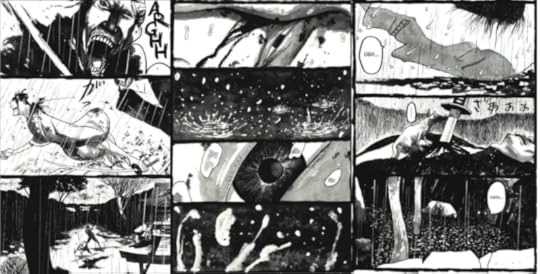
That said, especially in its second half, this is v much an action manga -- but the way it does the action is suuper good - apart from Akira probably the best action I've read in manga - while Akira was cool because of the scale of things and the multiple moving elements and the landscape etc etc -- this is cool because of the detail, the build-up to the action, the way montage is used - instead of large vistas and explosions it's super closeups of eyes and flowers and mice and cats - idk it's super neat because each fight is not just about winning but also about the characters' relations to violence -- also the like watercolory portrayal of the demon of violence brought out in both Senou and Kikuchi sooo good
Also biig cast of characters, all of whom I grew to remember and care about - everyone from every social strata in Edo has a sort of intimacy to their portrayal - including the cats and dogs in Edo - was super neat to see the epilogue where everyone is older INCLUDING the black and white cat, and the annoying puppy -- also the black dog's death was like just as melancholic and hard hitting as the deaths of other major characters - idk Taiyou stuff always has this but like Issei being a buddhist monk def ties into this as well - but idk the best portrayal of like.. being in harmony w nature and animals and the weather and stuff -- even in violent ways - the way Senou senses animals and the weather, same w Kikuchi and his mouse meshi and his relation to rain
soo happy I read this
This entire review has been hidden because of spoilers.
Mira que he leído mangas buenos en lo que va de año, pero lo de este Takemitsu Zamurai es algo loquérrimo. Un manga ambientado en el período Edo pero que a pesar de ello consigue resultar original, combinando costumbrismo, protagonismo casi coral, humor y realismo mágico, que a ratos parece una historia de Palomar si Beto Hernández hubiera sido un mangaka japonés, y que acaba confluyendo en una poderosa, emotiva e humanista historia de samuráis que sencillamente no se puede parar de leer. Quizá .
Para echar de comer aparte es el trabajo de Taiyo Matsumoto, sencillamente este es uno de los tebeos mejor dibujados que he leído en mi vida. Integrando perfectamente el arte gráfico de la época en su peculiar estilo -un poco a la manera de la obra de la mangaka e historiadora Hinako Sugiura- Matsumoto se marca unas páginas bellísimas, llegando a emocionarte con su exquisito grafismo y precisión narrativa.
the final chapter of this manga makes me tear up a bit every time. surreal, wistful, about the beginnings and endings of dreams. i hope collectible editions of this manga are one day released in english, it’s a shame this hasn’t been done yet.
I found a bootleg English translation of this, but if it ever gets a real translation I'll be first in line to buy it. There are at least 20 pages I would happily hang on my walls.
The most beautiful comic I've ever read and remarkably well-written, even with the bootleg translation.