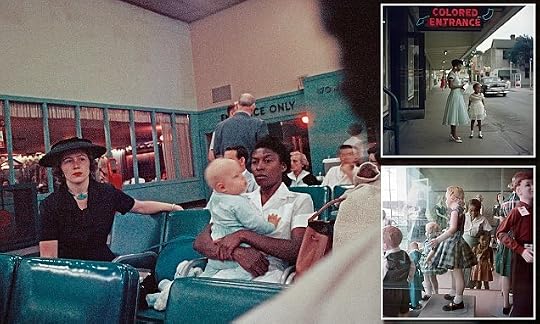
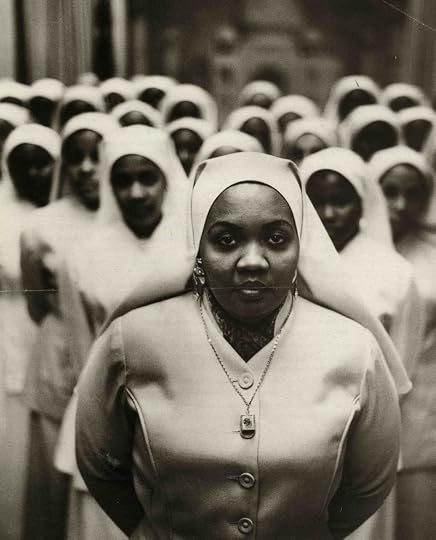
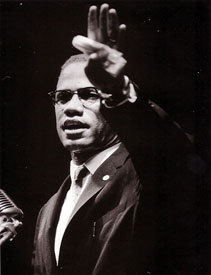
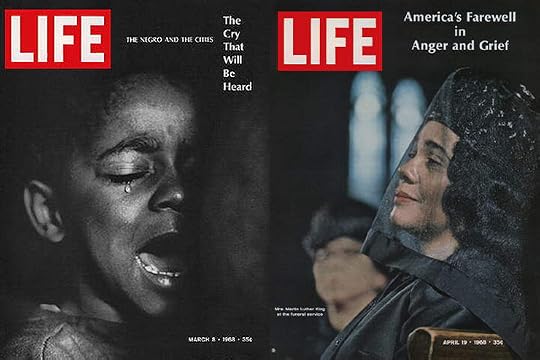
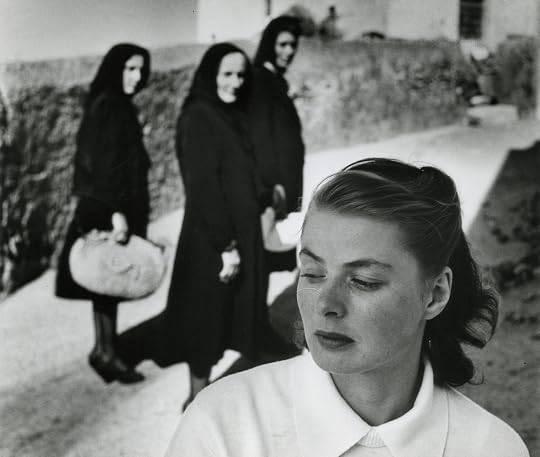
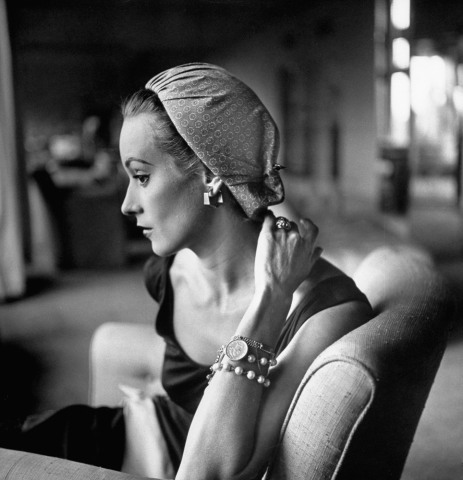
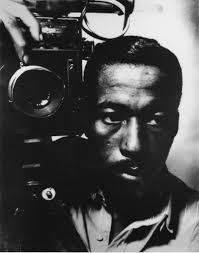
This five-volume collection surveys five decades of Gordon Parks' photography. It is the most extensive publication to document his legendary career. Widely recognized as the most important and influential African-American photographer of the twentieth century, Parks combined a unique documentary and artistic style with a profound commitment to social justice. Working first for the Farm Security Administration and later for Life magazine, he specialized in extended narrative picture stories on difficult subject matter. Covering crime, poverty, segregation, the politics of race and class and controversial personalities, Parks became legendary for his ability to meld penetrating insight with a lyrical aesthetic. He was thus able to introduce a broad and diverse public to people, issues and ideas they might otherwise have ignored. Parks was remarkably versatile, travelling the world to photograph news events and fashion, as well as the worlds of art, literature, music, theatre and film. Later in life, he reconceived his vision in fundamentally personal and poetic terms, producing color photographs that were allusive rather than descriptive, symbolic rather than literal.
Gordon Parks was a groundbreaking American photographer, musician, poet, novelist, journalist, activist and film director. He is best remembered for his photo essays for Life Magazine and as the director of the 1971 film, Shaft.
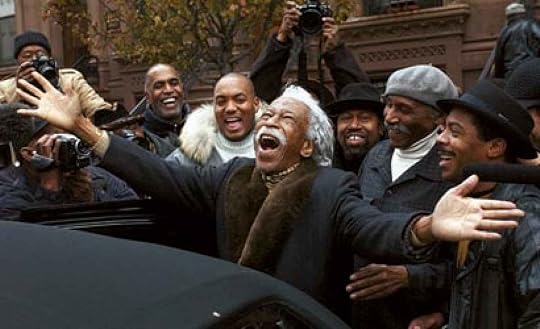
Parks is remembered for his activism, filmmaking, photography, and writings. He was the first African-American to work at Life magazine, and the first to write, direct, and score a Hollywood film. He was profiled in the 1967 documentary "Weapons of Gordon Parks" by American filmmaker Warren Forma. Parks was also a campaigner for civil rights; subject of film and print profiles, notably Half Past Autumn in 2000; and had a gallery exhibit of his photo-related, abstract oil paintings in 1981. He was also a co-founder of Essence magazine, and one of the early contributors to the "blaxploitation" genre.
Parks also performed as a jazz pianist. His first job was as a piano player in a brothel. His song "No Love," composed in another brothel, was performed over a national radio broadcast by Larry Funk and his orchestra in the early 30s. He composed Concerto for Piano and Orchestra (1953) at the encouragement of black American conductor Dean Dixon and his wife, pianist Vivian and with the help of composer Henry Brant. In 1989, he composed and choreographed Martin, a ballet dedicated to civil rights leader Martin Luther King, Jr.
Beginning in the 1960s, Parks branched out into literature, writing The Learning Tree (1963), several books of poetry illustrated with his own photographs, and three volumes of memoirs.In 1981, Parks turned to fiction with Shannon, a novel about Irish immigrants fighting their way up the social ladder in turbulent early 20th-century New York. Parks' writing accomplishments include novels, poetry, autobiography, and non-fiction including photographic instructional manuals and filmmaking books. Parks also wrote a poem called "The Funeral".
Parks received over 20 honorary doctorates in his lifetime. He died of cancer at the age of 93.