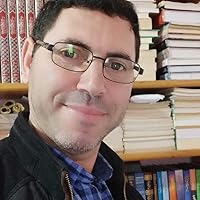
Mohamed Hassanein Heikal (Arabic: محمد حسنين هيكل) was an Egyptian journalist. For 17 years (1957–1974), he was editor-in-chief of the Cairo newspaper Al-Ahram and was a commentator on Middle East affairs for more than 50 years.
Heikal articulated the thoughts of President Gamal Abdel Nasser earlier in his career. He worked as a ghostwriter for the Egyptian president Gamal Abdel Nasser and represented the ideology of pan-Arabism. Heikal was a member of the Central Committee of the Arab Socialist Union. He was appointed minister of information in April 1970 but resigned from government in 1974 over differences with Anwar Sadat.
In September 2003, upon reaching the age of 80, Heikal wrote an article in the monthly magazine Weghat Nazar (where he had been writing for some time) that the time had come for an "old warrior" to put down his pen and take to the sidelines. Heikal stressed that his decision to stop writing did not mean he would disappear, but rather take to the sidelines to observe more thoroughly. In the article he also recounted a lot of the events that occurred during his life and formed his experience including his first mission as a reporter in the Second Battle of El Alamein in 1942, his friendship with Nasser and his relationship with Sadat. In addition he opened his financial records stating the salaries he had received in all his jobs and posts.
In a 2007 audience with British journalist Robert Fisk, Heikal spoke about the situation in Egypt and criticized Egyptian president Mubarak, saying that Mubarak lives in a "world of fantasy" in Sharm al Sheikh. These comments stirred an uproar within Egyptian society, both for and against Heikal. Heikal did not comment on this criticism except later on Al Jazeera, where he said that he stands by what he has said earlier, adding that Mubarak had not entered political life until very late, which means he lacks necessary experience.
يعجبني في مؤلفات محمد حسنين هيكل بساطة اللغة التي يكتب بها، وأسلوبه الخفيف على النفس، حتى أن القارىء لا يمل من قراءة كتبه، بل يجد فيها على العكس من ذلك كل المتعة والفائدة، وهذه القدرة العجيبة على الجمع بين المتعة والبساطة لا يمتلكها إلا قلة نادرة من الكتاب والمؤلفين المميزين.
ثم إنني يعجبني في كتب هيكل أيضا، استطراداته الجميلة التي تأخذك في رحلة فريدة وممتعة لتعيش معه في سلسلة من الذكريات التي جمعته بشخصيات عالمية مرموقة في مختلف عواصم العالم. وإنني لأعجب من ذاكرته القوية التي تسعفه دائما في استرجاع أحداث ربما حصلت معه منذ زمن بعيد، فيحكيها لك وكأنها وقعت بالأمس القريب.
أما بخصوص كتابه هذا، فإنه كما يستشف من عنوانه، يتحدث فيه هيكل عن آفاق ثمانينات القرن العشرين، وقراءته لمجريات الأحداث في العالم خلال تلك الفترة، سواء تعلق الأمر بالصراع بين المعسكرين الغربي والشرقي، بقيادة كل من الولايات المتحدة الأمريكية والإتحاد السوفيتي، ومآلات الحرب الباردة المستعرة بينهما، وكذا موقع المجموعة الأوروبية في خضم هذا الصراع، والأدوار المرتقبة التي يمكن أن تلعبها الأمم المتحدة من أجل الحفاظ على توازن القوة بين هاذين المعسكرين. وفي آخر فصول الكتاب يتحدث هيكل عن توقعاته لمآلات الصراع العربي الإسرائيلي في ضوء الانحياز الأمريكي المفضوح لصالح إسرائيل، وتراجع الدور السوفيتي في المنطقة.
وكما قلت في البداية، فإن هيكل عندما يكتب عن هذه القضايا وغيرها، فإنه يكتب عنها بأسلوبه البسيط والممتع الذي يرحل بك بعيدا في عوالم الفكر والسياسة والاقتصاد والاعلام، مما يجعلك تمسك بكتابه بكلتا يديك، فلا تريد أن تتركه حتى تفرغ من قراءة آخر سطر فيه. وهذا إن دل على شيء فإنما يدل على عبقرية هذا الكاتب الكبير الذي حتما ستقدره وستحترمه مهما اختلفت معه، أو كان لك رأي معاكس لرأيه.