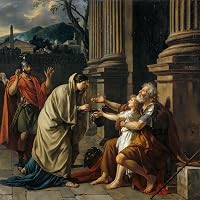
Iran's national epic, the Shahnameh of Ferdowsi, has traditionally been regarded by both Persians and Westerners as a poem celebrating the the central role of monarchy in Persian history. In this groundbreaking book, Dick Davis argues that the poem is far more than a patriotic chronicle of kingly deeds. Rather, it is a subtle and highly ambiguous discussion of authority, and far from being a celebration of monarchy, its most famous episodes and heroes amount to a radical critique of the institution. Davis demonstrates that the public world of kingly authority is shadowed in the poem by a series of tragic father-son relationships, and that in both the royal and familial spheres, authority figures are invariably presented as morally inferior to those whom they govern. The Shahnameh's complex aesthetic structure and its tragic resolution of problems of authority and hierarchy make it an artistic artifact able to take its rightful place beside the major masterpieces of world literature.
Dick Davis is an English-American poet, university professor, and translator of verse, who is affiliated with the literary movement known as New Formalism in American poetry. Born into a working class family in Portsmouth shortly before the end of World War II, Davis grew up in the Yorkshire fishing village of Withernsea during the 1950s, where an experimental school made it possible for Davis to become the first member of his family to attend university.
Shortly before graduating from Cambridge University, Davis was left heartbroken by the suicide of his schizophrenic brother and decided to begin living and teaching abroad.
After teaching in Greece and Italy, in 1970 Davis fell in love with an Iranian woman, Afkham Darbandi, and decided to live permanently in Tehran during the reign of the last Shah. As a result, he taught English at the University of Tehran, and married Afkham Darbandi, about whom he has since written and published many love poems, in 1974.
After the Islamic Revolution turned Dick and Afkham Davis into refugees, first in the United Kingdom and then in the United States, Davis decided to begin translating many of the greatest masterpieces of both ancient and modern Persian poetry into English. Davis is a vocal opponent of the ruling Shia clergy of Iran and has used his talents as a scholar and literary translator to give a voice to critics and foes of Islamic fundamentalism and Sharia Law from throughout the history of Iranian literature. Despite expressing a fondness for Christian music, Davis has said that his experiences during the Iranian Revolution have made him into an Atheist and that he believes that religion does more harm than good.
Davis is a Fellow of the Royal Society of Literature, and has been called, by The Times Literary Supplement, "our finest translator from Persian." Davis' original poetry has been just as highly praised.
در چشم برخی از متفکرین غربی، شاهنامه چیزی نیست جز مدح نامه شاهان باستانی ایران، روایت های یک طرفه پیروزی های قاطع ایرانیان بر دشمنان خارجی و در نهایت تهی از هرگونه عمق و کشمکش هایی که به تراژدی ها معنا میبخشند. اما نویسنده کتاب(دیک دیویس) نه تنها این گزاره های پوچ را رد میکند، بلکه ادعا میکند اوج بلاغت کلام فردوسی در بخشهایی از کتاب است که شخصیت ها بر سر دوراهی های درونی قرار میگیرند(خدا یا وطن، مشروعیت یا آزادی، پیروی از شاه/پدر یا عدالت طبیعی). محور اصلی کتاب، تحلیل شاهنامه از دید رابطه شاه و زیردستان است. اینکه چگونه سواستفاده از قدرت در نهاد پادشاهی، مرگ پسران(زیردستان) توسط پدرانشان(شاهان) را رقم میزند(حتی لازم میدارد) و در نهایت اجازه نمیدهد نتیجه ای جز زوال مملکت و ارزش های پهلوانی در افق دیده شود.