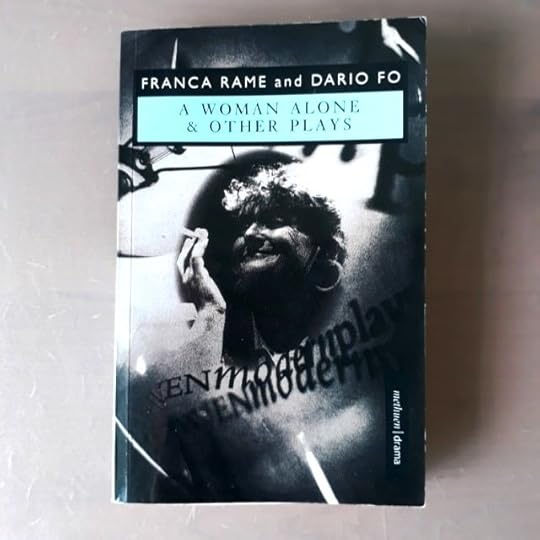
Twenty monologues for women. The twenty monologues in this volume range from the deeply serious to the extravagantly comic and accessible to a wide range of audiences. "The pieces are comic, grotesque, on purpose. First of all because we women have been crying for two thousand years. So let's laugh now, even at ourselves" - Franca Rame
"Set at the point where reality and ideology rub up against each other, [these] monologues are vivid, concise and entertaining comments on the female condition…comic-but-angry, raw-but-precise" - The Independent
Franca Rame (18 July 1929 – 29 May 2013) was an Italian theatre actress, playwright and political activist. She was married to Nobel laureate playwright Dario Fo and is the mother of writer Jacopo Fo. Fo dedicated his Nobel Prize to her.
Franca Rame was born in Parabiago, Lombardy, in 1929, into a family with a long theatre tradition. She made her theatrical debut in 1951. Shortly thereafter, she met Dario Fo, whom she married in 1954. Their son, Jacopo was born on 31 March 1955. In 1958, she co-founded the Dario Fo–Franca Rame Theatre Company in Milan, with Fo as the director and writer, and Rame the leading actress and administrator.
Rame continued working with Fo through many plays and several theatre companies, popular success and government censorship. She was active in Soccorso Rosso (Red Aid), writing letters and providing books for prisoners and assisting their families and lawyers. In the 1970s, Rame began writing plays (often stage monologues) of her own, such as Grasso è bello! and Tutta casa, letto e chiesa, which displayed a markedly feminist bent.
In March 1973, fascists who were reportedly commissioned by high-ranking officials in Milan's Carabinieri (Italian federal police) abducted Rame, held her at gunpoint and dumped her in a van. They raped her, beat her, burnt her with cigarettes, slashed her with razor blades and left her in a park. She returned to the stage after two months with new anti-fascist monologues.
Rame became a member of the PCI in 1967.She was a member of the Italian Senate representing the centre-left anti-political corruption Italy of Values (IDV – Italia dei Valori) party, abandoned in 2008 due to political choices of the government supported by the IDV party. From 2010 she was, also with her husband, an independent member of the Communist Refoundation Party (PRC – Partito della Rifondazione Comunista).
للأسف ماعرفتش ألاقي باقي المجموعة بس قرأت امرأة وحيدة مسرحية عظيمة بكل ما تملكه الكلمة من معنى مسرحية في فصل واحد بتبدأ بامرأة بتكلم جارتنا اللي انتقلت جديد، المرأة البطلة هي اللي بتتكلم بس طول المسرحية، وبتجيد تحسسنا بالصخب والقرف اللي هي عايشة فيه المسرحية كلها ماقدرتش ألتفت للحظة بعيد عنها لحد ما خلصتها "وهي قصيرة حقيقة" بس الحوار اللي بيدور من طرف واحد قوي جدًا. بل من أقوى الحوارات أو مناجاة الذات اللي قرأتها في حياتي.
One of the most absolutely incredible feminist reads I've ever stumbled upon. An anthology of the works of the Italian theater activists and real life couple, Franca Rame and Dario Fo.
A Woman Alone & Other Plays consequently educates the reader on the culture of impunity on the equality of the sexes through the funny antics of 'paranoid' women. Most of the content are monologues and my personal favorite is The Whore in the Madhouse. Rame stresses that equality should come in all aspects, and that includes sex.
"The pieces are comic, grotesque, on purpose. First of all because we women he been crying for two thousand years. So let's laugh now, even at ourselves."
تنتمي المسرحية إلى شكل المونودراما وهو الأصعب فنيا، لكونه يحمل شخصية واحدة مسؤولية تقديم المسرحية كاملة، فهذه الشخصية الوحيدة التي ستظهر طوال المسرحية ستكون بكل مونولوجاتها وحركاتها وسكناتها موضع متابعة من القراء لإيصال فكرة النص.
فكرة المسرحية تتحدث عن سيدة تركها زوجها مطرحا لضربات الزمن، من خلال الظروف التي تحيط بها، ليبدأ طرح الأسئلة عن المسؤول عمّن وضع المرأة في هذه الحالة؟ المجتمع، الرجل، الدين، الضعف، الحاجة… فمن ناحية يحاصرها الفراغ الذي سببه الزوج والإحساس بالوحدة، وكذلك العوز المالي والديون التي تتفاقم عليها يوما بعد يوم، وكذلك المشاعر القديمة التي كانت تكنّها لشاب تعرفه سابقا. في ظل هذه الظروف تعيش السيدة هواجس مرعبة، تضعها للحظات في مهب الريح أمام مواجهة موجات من الألم.
Franca Rame, who lived in the shadow of her husband playwright Dario Fo, proves with her powerful, comic, grotesque and incendiary writing this should have been the other way round.