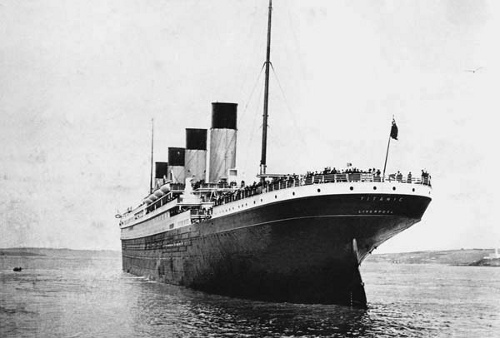
Prior to air travel there was only one way to cross the Atlantic: by ship. By the late nineteenth century, steam ships dominated the transatlantic passenger trade, growing exponentially in size as maritime technology improved and as more immigrants poured from Europe into the New World. As the liners got bigger, the scope for luxury increased, so that a substantial part of ships such as Titanic would be given over to sumptuous dining saloons, lounges, smoking rooms and even gymnasia for the most affluent passengers. Meanwhile, the bulk of passengers, the poor migrants with one-way tickets to America, were efficiently arranged in small cabins with bunks in the bows and stern of the ship. This book is an introduction to the age of the superliner, from 1900 to the modern day, exploring changes in the liner's design and role over a century that saw competition between shipping lines and between nations. The author describes the history and design of such great ships as Lusitania, Olympic, Imperator, Normandie, both queen Elizabeths, both queen Marys and, of course, the legendary Titanic. He tells the story of the heyday of the great liners before immigration to America was curtailed, the many races for the Blue Riband speed record, the experiences of rich and poor passengers, the role of the liners as troopships and hospital ships during the world wars, and the decline in the Atlantic trade after the 1960s, since when most passengers have travelled by air.
A fantastic quick read celebrating the great transatlantic liners, full of exceptionally good quality historical photographs and illustrations of most ships mentioned.
A magnificent book devoted to the historical ships that roamed the sea for decades. A unique class of ships, the greatest in the world.
From Titanic and Lusitania to Queen Mary and even Queen Mary 2, the history behind those legendary ships is incredible, gripping and appealing.
In a historical demonstation that is clean, well examined and not overplayed, J. Layton describes the most important ships of an era that is well forgotten nowdays, and their struggles, like WW1 and WW2, and of course technological advancement.
Transatlantic Liners hold a rich and vivacious history that still manages to capture the mind of the reader.
THOUGHTS ABOUT THE BOOK
- I personaly love maritime history but i think this book is compeling to everyone. - The timeline is short and yet revealing. - The pictures are great. - Through the book you can clearly see the evolution.
Succinct, informative, and engaging historical overview of the evolution of ocean liners from the 1890s through 2012. Renowned historian J. Kent Layton weaves more than 40 ships into a well-defined narrative that I recommend to both new and veteran ship enthusiasts.