This lively introduction to nearly four centuries of British art offers children a strong foundation for learning in a playful and imaginative way, and will inspire them to dream, create, and think. From William Blake’s vibrant, visionary paintings to Antony Gormley’s ever-popular sculptures, via the mysteries of Leonora Carrington and the cheeky fun of Beryl Cook, this colorful, chronologically arranged overview uses games, puzzles, and project ideas to encourage young people to appreciate the diverse ways in which British artists reflect their country’s culture. Religious art, modern sculpture, exquisite landscapes and urban art are all presented in full-page spreads that engage children by inviting them into the works themselves, challenging them to answer questions about the artists’ perceptions and exposing them to the fascinating historical forces that have shaped the artists’ work. Children and adults alike will find much to learn, savor, and enjoy in this colorful introduction that is both interactive and edifying—not to mention great fun.
I'm not saying there was a *bad* artist in here, but once you decide to get nationalist about things the pond size decreases sharply, and yeah...
(N.B. for color-blind families: our son can't differentiate red/green/brown or grey/pink, and was still struck by a few, as noted below.)
Artists in here who resonated with our family: William Blake, JMW Turner, David Hockney and Beryl Cook (who always delights me).
Mary Beale is also very good, but I can't say we were all "This portrait is incredible!!!" To our undereducated eyes, both pieces looked exactly like 99% of portrait paintings.
I feel like maybe the two selections for Yinka Shonibare MBE were poorly served? The photo angle of "Nelson's Ship in a Bottle" is poor, and the photo of "Black Gold II" didn't make its mixed materials come through. Plus, the political context is something our son doesn't have, so it just didn't land...
I thought LS Lowry's stuff was interesting, our son thought it was creepy. CW: one of these pieces is called "The Cripples."
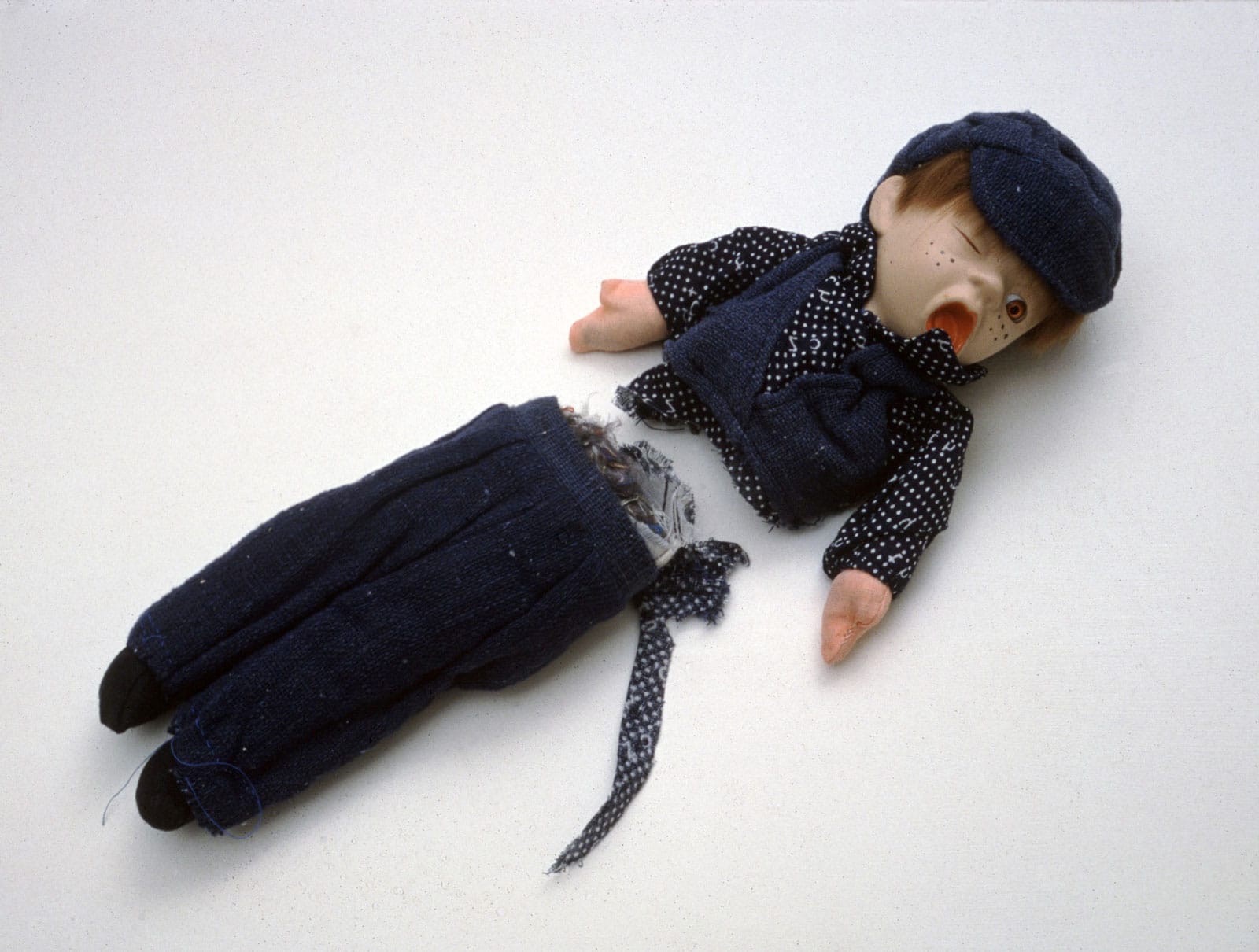
We were both more than a little disturbed to turn the page one day and face Cornelia Parker's "Shared Fate" -- a doll chopped in half by guillotine.[1]
13 British Artists Children Should Know Prestel Books Alison Baverstock
Straight away author Alison Baverstock answers a question we had: ‘It was very difficult to choose just 13 British Artists to explore in this book.’
The British Artists chosen represent a range of eclectic people who influences, training, and family encouragement also varied. One common thread they all seem to have is that they weren’t particularly famous in their own time. This is something that is often the case with artists with exceptions like Tracey Emin, Damien Hirst and Banksy.
13 British Artists Children Should Know is 45 pages of British artists that you may or may not have heard of but each artists produced art that revealed something about being an American. This book is more geared to Children (as opposed to 13 Art Inventions Children Should Know) but still best for 7+. Each artists has two pages which describes not only their art, but a brief biography of them as a person. This helps build the profile and explain more in-depth why their art is significant.
Alison also suggest you look at art in person by visiting museums, art galleries and art in public spaces. This is such brilliant advice for any age group and sometimes parents forget that a visit to a local gallery or exhibition can make a huge difference.
Each page is laid out with a timeline at the top of each page to provide a placement in history. On the left column is a Fact box of the Artists: Born, Died, Lived in (the cities), Known For and Children. This could be a fun fact, interesting tidbit, etc. For example, John Everett Millais paren’ts encouraged his art so much they moved to London and provided him a full kitted out studio for him to work in!
Very colourful pictures also help with the comprehension and importance of each artists. Where appropriate, there are websites that link to more information. I really liked the website link, a bit worried that it might date itself but it will still inspire kids recognize they can research more if they chose. There are also splashes of activities sprinkled throughout the pages. For example, Artist L.S. Lowry draws scenes that we sometimes take for granted. We are asked to think of things we see every day that we might have seen as the subject of a picture in an art gallery.
The artists are described to ensure new terminology is introduced while ensuring kids (with parents) would understand or ask questions. Terminology that might be confusing has an explanation in the Glossary at the back of the book. One thing I would have liked is to have the words at the bottom of the page and in the Glossary so I didn’t have to flip back and forth.
The 13 British Artists are: • Mary Beale • William Blake • J.M.W. Turner • John Everett Millais • L.S. Lowry • Henry Moore • Leonora Carrington • Beryl Cook • Gilbert & George • David Hockney • Antony Gormley • Cornelia Parker • Yinka Shonibare MBE • Glossary
I am not certain that I would agree wholeheartedly with the thirteen choices but this was a fun read. The fact that William Blake is included is what drew me in initially and I am glad I read it. I learned quite a bit. I adore the fact that it is printed on high quality paper.