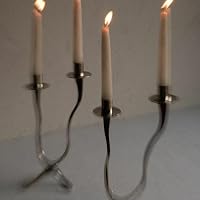
Dreams and Destinies, the Rosetta Stone of Marguerite Yourcenar's canon, is an intimate journal of her dreams. In Dreams and Destinies Yourcenar has provided us with the most daring, yet least conventional form of autobiography, a form that allows the reader to view her life refracted through the poetic sensibility of her own sleeping mind. In recording her dream life, Yourcenar wanders through a picture gallery of the soul, pausing before ruined cathedrals filled with candles, dark ravines that hold dead bodies, and still reflecting pools located deep inside soaring gothic churches. Her dreams are populated by men, women, and children as well as animals and mythical creatures. Available for the first time in English in the way that she intended upon her death, Dreams and Destinies is a reminder from one of the greatest writers of the twentieth century that the dreams we create are with us forever.
Marguerite Yourcenar, original name Marguerite de Crayencour, was a french novelist, essayist, poet and short-story writer who became the first woman to be elected to the Académie Française (French Academy), an exclusive literary institution with a membership limited to 40. She became a naturalized U.S. citizen in 1947. The name “Yourcenar” is an imperfect anagram of her original name, “Crayencour.”
Yourcenar’s literary works are notable for their rigorously classical style, their erudition, and their psychological subtlety. In her most important books she re-creates past eras and personages, meditating thereby on human destiny, morality, and power. Her masterpiece is Mémoires d'Hadrien, a historical novel constituting the fictionalized memoirs of that 2nd-century Roman emperor. Her works were translated by the American Grace Frick, Yourcenar’s secretary and life companion. Yourcenar was also a literary critic and translator.
"Okudukça anlamayışım içimde anlamamanın artması diyebileceğim bilgi ve anlayış artmasının tam aksi kutbu diye tarif edebileceğim ama bir şey tarif etmiş olmayacağım bir kalınlık oluşturuyordu. Anlamayışta derinleşiyordum. Akıl gibi ahmaklık da derinleşebiliyormuş, bunu merak edene karnımı yarıp hiçbir şey bitmez çorak araziyi gösterebilirim. Sayfalar elimden devriliyor ben sözlerin, isimlerin, anlaşılmaz ifadelerin içinde bir kör gibi değneğimi önüm sıra sürüyerek yürüyordum"
Şule Gürbüz.
Rüya ve Kader için benden bir yorum beklenirse ki - beklendiğini sanmam- yazabileceğim tek şey Şule Gürbüz'ün etkili kaleminden bir aktarma olabilecektir. Kendimi bundan daha iyi ifade edebilecek bir imkan olmadığı muhakkak.
“Hiçbir şeyin bozamayacağı bir yakınlık, hiç bitmeyecek bir dostluk, bütün şüphelerden ve korkulardan arınmış, ayrılığa bile dayanabilen bir güven hissediyorum…” (sf. 33) Frick ile olan 40 yılını özetlediğini sandığım cümle. Rüyalarıyla kaderini eşleştirdiği kısa metinler, son kısma alınmış açıklayıcı notlar. Freud’un rüya sembollerine ve katı kriterlerine katılmadığı unsurları izah etmiş. Rüyalarını hiçbir halüsinojen almadan gördüğünü özellikle belirtmiş. Nörolojik bir incelemeden geçtiğini sanmıyorum yazarın, gördüğü 30 rüyanın Proustvari tasvirlerle anlatımı için ise, sahiden böyle görmüş olabilir mi diye epey düşünmem gerekti. İnsan zihni elbette bir muamma. Bu kısa kitap Edmond Jaloux adlı arkadaşının teşvikiyle yazılmış. Rüyadan otobiyografiye varmış mı kitap (arka kapak yazısındaki son cümle) sanmıyorum. Hadrianus’un Anıları ile belki biraz aydınlanırım. Yourcenar serisine ara ara devam edeceğim.
This entire review has been hidden because of spoilers.
Some annoying Gallicisms in play--a name-dropping rhetoric of cosmopolitanism tops the list--but there's a lot of outstanding writing here. Yourcenar does a singularly deft job of conveying the compressed facticity of dreams, their defiant refusal to offer scaffolding or justificatory mechanics for the origins of what is presented.
She also has a knack for a killer opening sentence: "Death, standing in a garden, plays the violoncello." "The adolescent and I are once more on the road together." "As this dream begins, the wind does not blow through the grass but through the stones." "This ill-favored dream dates back to the nights of my childhood: it is the very oldest, most suffocating and most northerly of my nightmares."
And the preface is excellent as well: "The sleeper assembles images the way the poet assembles words: he makes use of them more or less felicitously to speak about himself to himself." "Every sleeper is a Narcissus who takes fright and is fulfilled above an eternal silvering, and the mind of a man who does not dream is neither more barren nor more confined than any other, but is, quite simply, like a room lacking that magic bay window of the mirror." "The Freudian hypothesis provides an almost satisfactory equation for the mystery of dreams; following different pathways, the speculations of the occultists attained the same result, just as did those of pharaoh's magi. Whatever the nomenclature, it is always the same quantity that lies in the scale of the precision-balance. The problems of the mind are by nature limitless; and those posed by the dream doubtlessly possess an infinite number of solutions."
I wonder if her dreams are really as silent and stoic as she writes them, or if it's just the selection process of leaving out the mundane. She translates the dreamworld expertly, expressing the dream's innate but indescribable gravity and poetry in a way that I feel I never can. Reading so many of hers featuring stone walls and haunting cathedrals I'm struck with the obvious but previously absent realization that people from other times and places dream of entirely different landscapes. What were the dreams of the Middle ages? Of the stone age? What were the universal tropes like finding oneself naked in front of the classroom or spending all night reliving a monotonous workday from some job you had when you were 19? Somehow unlike the rest of us she's overcome the cliche by retelling her dreams without boring her listener, who by turning each page asks, Marguerite, tell me another?
Rüya ve Kader, Yourcenar’dan okuduğum üçüncü kitap ve söyleyebileceğim tek şey hayal kırıklığı. Ya Yourcenar çok başarılı bir edebiyatçı olduğu ve beklentim çok daha fazla olduğu için bu kitabı sevemedim ya da gerçekten Yourcenar’ın yeteneğini hiç göstermediği bir kitap.
Temel olarak Rüya ve Kader, Yourcenar’ın rüyalarını kaleme aldığı bir anlatı şeklinde ilerliyor. Bu rüyaları ise belirli bir ortak noktada toplamış. Daha olaysız, tasvire dayalı, kimi zaman daha mitolojik, kimi zaman yanyana gelmesi güç varlıklar. Ancak söylemeliyim ki çok zorlanarak okudum. Nasıl desem kitap bir türlü bitmek bilmedi. Zorlandıkça da zorlandım. Belki bana uymuyordur, belki sıcaklardandır. Belki siz seversiniz.
"Rüya ve Kader"de yazarın bir dönem gördüğü rüyalarını tekinsiz ve sürreal öyküler okur gibi okudum. Hakkında daha çok konuşulması gereken bir kitap, metinler analiz bakımından çok davetkar.