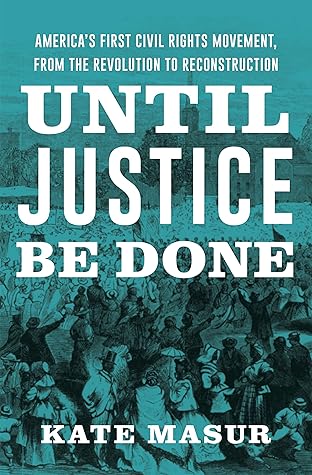
What brought the disparate groups of people in this movement together was a commitment to racial equality in what they often termed civil rights. For Americans of the early nineteenth century, civil rights were basic or fundamental rights associated with being a free person. Virginia congressman Philip P. Barbour, who later became a Supreme Court justice, described “civil rights” in 1820 as the rights of “personal liberty and the free possession and enjoyment of personal property.”