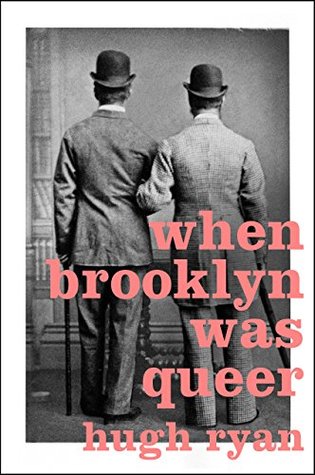
Today, we function on something of a “one-drop rule” when it comes to male sexuality: any amount of sexual experience with or attraction to another man, or to a gender-nonconforming person, defines you as being queer. But in the early 1900s, that was far from a settled way of thinking.